

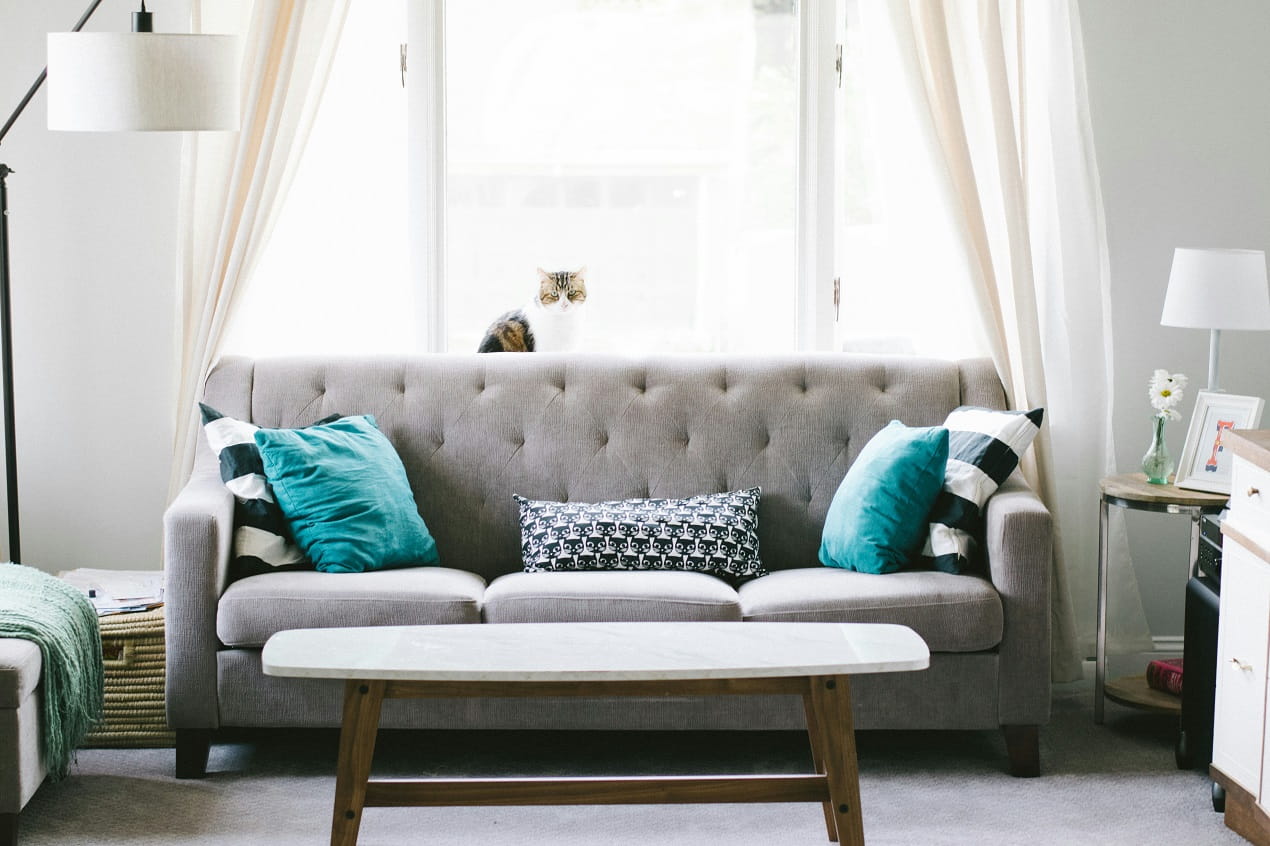
A room can get a lot of attention and still look unfinished. Fresh paint helps. A thrifted cabinet with new hardware helps. Improved lighting can make a difference as well. All one needs to do to completely change the atmosphere is swap out heavy curtains with lighter ones. Unfortunately, there are times where everything has been upgraded, but there still remains something wrong with the space. The walls look better. The furniture makes more sense. The space is cleaner. Yet the room never fully settles.
That is generally the stage when things cease to be merely aesthetic and become more structural, thus the reason why certain property owners start viewing a boise window company as just another facet of their home improvement process and not an independent project. Windows influence the way walls function, the flow of natural light into the room, and how they fit within the rest of the interior. In a house filled with reused furniture, handmade details, painted wood, and collected finds, that difference becomes easy to notice.
The Wall Around a Window Does More Than People Expect
Many room updates focus on surfaces first. People repaint the wall, swap out the rug, move a chair, or replace a lamp. Those choices matter. Still, the wall opening often decides more than the styling on either side of it. If the frame feels bulky, the trim looks tired, or the proportions are awkward, the whole wall can fight the room.
That shows up in practical ways. A low cabinet may sit too close to the sill. Curtains may cut the wall in the wrong place. A desk may end up in a dim corner because the window does not bring in enough useful light. Art may feel squeezed into leftover space instead of being placed where it belongs. When that keeps happening, styling stops feeling like a solution and starts feeling like a workaround.
For a home-focused site like The Home Trotters, that is where window replacement becomes interesting. It is less about the product itself and more about how the room starts working once the wall finally makes sense.
Reused Pieces Need Better Light to Look Right
Older furniture can look beautiful in one room and dull in another. That is often a light problem rather than a furniture problem. The grain of wood looks different based on the angle and intensity of the sun. Painted surfaces will appear warm in the morning but will take on a cold appearance by the afternoon. The surfaces of linen, porcelain, aged bronze, and woven materials are all dependent on how they catch the light.
This is especially true in households that favor second-hand and recycled items. A room full of collections will have more layers and more interest compared to one lined with identical furniture purchased from the same store. Because of that, weak daylight stands out faster. So does a frame that feels too heavy for the rest of the interior.
This is where better windows can quietly change the whole result. A cleaner frame, improved glass, and a better opening size can give the room what styling alone could not give it. The bench by the wall stops looking squeezed in. The painted dresser gains depth. The curtain fabric hangs with more purpose. The room starts reading as finished instead of almost finished.
What Usually Needs a Second Look After Window Work
Once the window area changes, nearby details often need to be adjusted too. That does not mean buying new everything. It usually means editing the room with more accuracy.
- Curtain length and fabric weight.
- Placement of desks, benches, or low storage.
- Trim color against the wall and flooring.
- Still styling with plants, books, or ceramics.
- The height and position of nearby artwork.
These are small decisions, but they affect the final result more than people expect. A room can get better windows and still feel half-done if the wall around it keeps the old proportions. On the other hand, a few smart changes can make existing pieces feel newly useful. That is one reason this topic fits an upcycling and home styling angle so well. The best update is often not a shopping spree. It is a better structure with a smarter use of what is already there.
Material Choice Matters in Character Filled Homes
Frame material and finish can change the tone of a room just as much as color or fabric. In a simpler, newer interior, a basic frame may blend in without much trouble. In a home with older furniture, collected objects, mixed wood tones, and restored pieces, the window has to work harder. If it feels too stark, the room loses warmth. If it feels too heavy, the wall becomes crowded again.
That is why custom work often makes more sense in lived-in homes than off-the-shelf thinking. A homeowner may need vinyl for easier upkeep, fiberglass for cleaner lines, or wood tones that sit more naturally with the age of the house. In some cases, the bigger change is not just the frame but the opening itself. A room may need a different size or shape to bring in better light or free up more usable wall space. That kind of adjustment can do more for an interior than another round of styling ever could.
Good Window Updates Feel Like Part of the House
The best home improvements rarely look like they were dropped in from another world. They feel like they belong. That is especially true in homes where personality matters more than polish. Reused furniture, old wood, practical storage, and collected pieces need a setting that supports them. When the windows finally suit the room, the effect is immediate, even if it is hard to describe in one sentence.
The wall feels calmer. The layout feels easier. The room stops arguing with itself. Nothing needs to shout for attention because the structure underneath the styling is finally doing its share of the work. That is a much more useful way to think about windows than the usual sales language. A good update does not erase character. It gives the room a stronger frame for the character that was already there.
When the Room Finally Starts Making Sense
Some changes stay on the surface. Others fix the reason the room kept feeling unsettled in the first place. Window work often falls into that second group. It can change how light lands, how furniture fits, and how the whole wall supports the life happening around it. For homeowners who care about practical interiors, reused pieces, and rooms that feel real rather than staged, that matters.
A house does not always need more objects to feel complete. Sometimes it needs one part of the structure to stop pulling everything off balance. Once that happens, the room often comes together faster than expected. The thrifted cabinet looks right where it stands. The chair by the window feels placed, not parked. The wall finally has room to breathe. And the home starts looking finished without losing the texture and personality that made it worth updating in the first place.