

Redefining Your Relationship with the Grid
Imagine looking at your roof and seeing more than just shingles and gutters. Imagine seeing a silent, tireless power plant that harvests the raw energy of the cosmos to run your espresso machine, your home office, and your electric vehicle. For decades, the conversation around renewable energy was centered on “saving the planet,” a noble but often abstract goal. Today, that conversation has shifted toward something much more immediate and personal: energy autonomy. We are entering an era where the home is no longer a passive drain on a fragile utility grid, but an active, intelligent participant in a new energy economy.Switching to solar is not just a home improvement project. It is a fundamental shift in how you interact with the world around you. It is the transition from being a tenant of the grid to being a landlord of your own light. In this guide, we explore the science, the myths, and the undeniable logic of making the leap to a solar-powered lifestyle.
The Physics of Freedom: How Modern PV Works
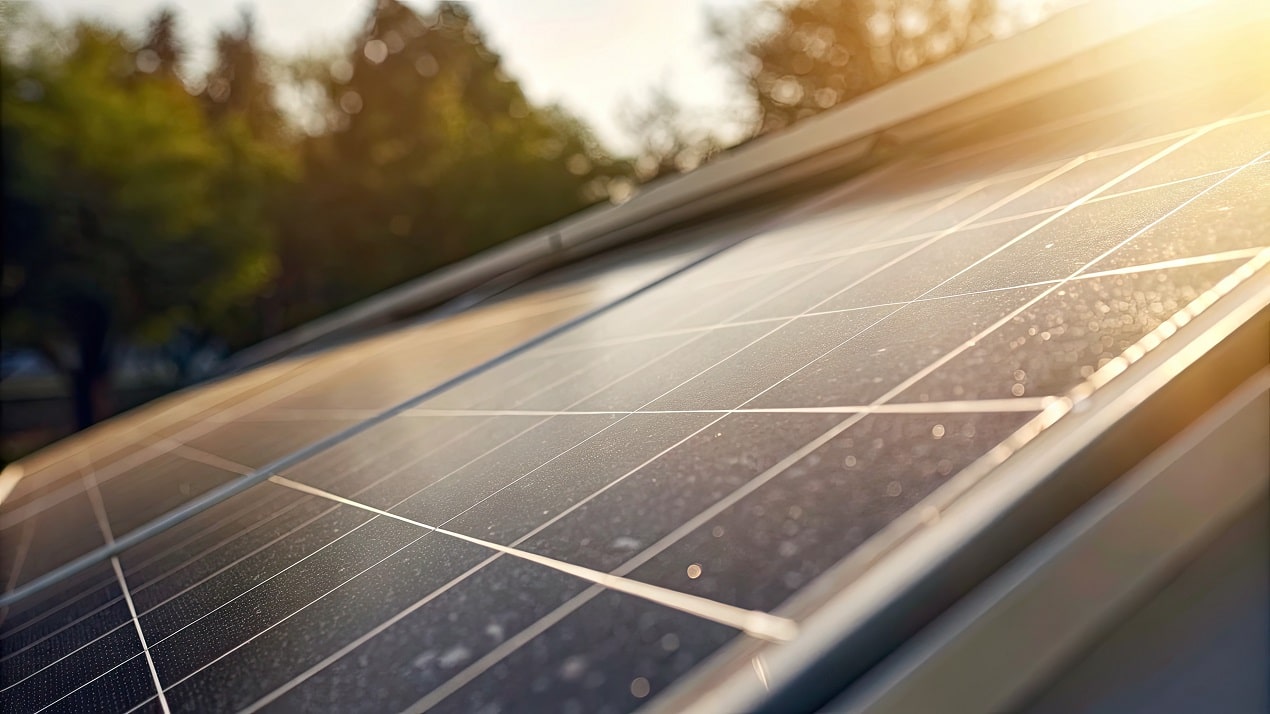
At its core, solar technology is a masterclass in elegant physics. Photovoltaic (PV) cells do not “burn” anything to create electricity. Instead, they utilize the photoelectric effect, where photons from sunlight strike silicon wafers and knock electrons loose, creating a flow of direct current (DC) electricity. This process is silent, emission-free, and requires zero moving parts.The efficiency of these cells has skyrocketed in recent years. We have moved past the era of bulky, inefficient panels that required massive amounts of space. Modern high-efficiency modules, particularly N-type monocrystalline panels, are capable of capturing energy even in low-light conditions. When paired with micro-inverters, which manage the power conversion at the individual panel level rather than in one central string, your system becomes incredibly resilient. If a stray cloud or a neighbor’s tree casts a shadow over one panel, the rest of the system continues to hum along at peak performance.
Breaking the Cloudy Day Myth: Solar in High Latitudes
One of the most persistent misconceptions about solar energy is that it only makes sense for those living in the scorching deserts of the Southwest. If you live in a region known for its dramatic seasons and occasional gray skies, you might think your roof is a poor candidate for solar. However, the data tells a different story. Solar panels actually perform more efficiently in cooler temperatures. Like most electronics, PV cells can lose efficiency if they get too hot. A crisp, sunny autumn day is often more productive for a solar array than a sweltering afternoon in the tropics.Furthermore, solar technology has adapted to handle the specific challenges of northern climates. For instance, the “Albedo effect” means that sunlight reflecting off a fresh layer of snow can actually increase the amount of light hitting your panels. In a city where the weather is as much a part of the local identity as the sports teams, choosing a partner who understands these regional nuances is essential. When looking for a reputable solar company chicago, homeowners are finding that the local “insolation” levels (the amount of solar radiation hitting a specific area) are more than enough to provide a massive return on investment, even through the wind and the winter.
The Economic Halo Effect: ROI and Property Value
While the environmental benefits of solar are significant, the financial logic is what truly drives the modern revolution. Installing a solar array is a unique financial instrument. It is an investment that yields a “dividend” every month in the form of a lower or non-existent utility bill. In many regions, programs like net metering allow you to sell excess energy back to the utility company during the day, effectively running your meter backward.But the value goes beyond the monthly savings. Real estate data consistently shows that homes equipped with owned solar systems sell for a premium compared to those without. Buyers in the modern market view solar panels the same way they view a new roof or a renovated kitchen: as a high-value asset that reduces their future cost of living. Because the system has no moving parts and requires minimal maintenance, it is an investment that provides decades of predictable, inflation-proof energy. You are essentially “pre-purchasing” twenty-five years of electricity at a fixed, much lower rate than what the utility will charge in the future.
Energy Storage: Capturing the Midnight Sun
The final piece of the solar puzzle is energy storage. For a long time, the biggest critique of solar was its intermittency: “What happens when the sun goes down?” The answer lies in modern battery technology. Lithium-iron-phosphate (LFP) batteries have become the gold standard for home storage, offering high safety ratings and thousands of charge cycles.A home battery system does more than just keep the lights on during a blackout. It allows for “load shifting.” You can store the excess energy your panels produce during the peak of the day and use it during the evening when utility rates are often at their highest. This creates a true “closed-loop” system where you are the master of your own energy supply. Whether the grid is up, down, or fluctuating in price, your home remains a stable island of power.
The Aesthetic of Innovation: Integrated Solar Design
We have also moved past the era where solar panels were considered an eyesore. Modern solar design focuses on “all-black” modules and low-profile mounting systems that hug the roofline. In some cases, we are even seeing the rise of “solar shingles” that act as both a roofing material and a power source.This aesthetic shift is important because it allows solar to integrate into any architectural style, from historic brick bungalows to sleek, modern minimalist builds. The goal is to create a home that looks as smart as it functions. A professional installation team ensures that the conduits are hidden, the panels are perfectly aligned, and the overall look enhances the curb appeal of the property rather than distracting from it.
Conclusion: A Legacy of Light
The transition to solar is a journey toward self-reliance. It is a decision to step away from the volatility of fossil fuel markets and toward a future powered by the most abundant resource we have. When you choose to go solar, you are not just changing your lightbulbs: you are changing your legacy. You are providing your family with a resilient, sustainable, and economically sound foundation that will serve them for decades to come. The sun rises every day, providing a fresh opportunity to power our lives with a clean, infinite source. It is time we finally took it.