


With the price of electricity on the rise in Maryland and the world’s environment so fragile, Maryland residents are more and more looking to the sun to power their homes. But it leaves many in the dark about how to get the most from their solar investment. Real-time insight into energy production and consumption is hard to ensure you’re getting the best generation and returns if you can’t see what’s going into the grid and coming out of the meter. The good news is modern products like those from EcoFlow OCEAN Pro energy management systems fill that need and act as smart energy management hubs; we’ll even go as far as saying a Swiss army knife of energy! Thanks to sophisticated LED display interfaces, homeowners can finally seize control of their energy fate, tracking production and analyzing usage patterns to make thoughtful adjustments that will increase efficiency. Whether you are worried about soaring energy prices, high dependence on the grid, or want to safeguard your solar investment, smart solar monitoring systems make sense of your complicated energy data to help you make informed decisions and ensure you get the most from your renewable energy system.
Understanding Modern Solar Energy Management
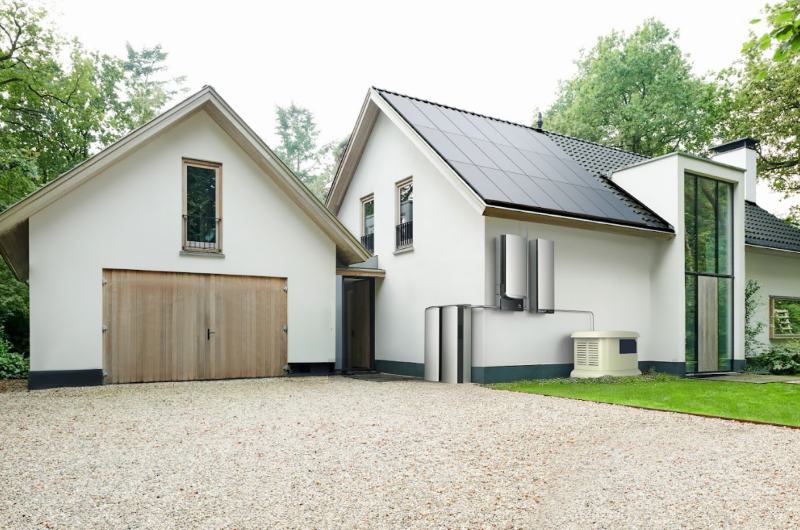
The new generation of solar energy management systems is truly revolutionary in-home energy control, organized around advanced system architectures that manage various power sources with ease. Ultimately, they consist of powerful battery boxes designed for storing up to 80kWh of power, state-of-the-art solar input controllers capable of managing 40kW of solar, and intelligent LED displays which act as a kind of central brain. That flexibility means the system can be added to new and retrofit solar installations, and that they are suitable solutions for homeowners and homes of any size.
The Intelligent LED Display: Command Center Explained
Panels on modern energy management displays frequently come in the form of a 10-inch touchscreen with impact-resistant glass responsive to touch. The high-resolution screens provide clear graphics even in sunny outdoor settings and will make system operation a breeze for novice and experienced users alike. Always-on monitoring provides you with ongoing observational access to your system’s vitals, presenting real-time system information through a user-friendly Matrix Display system that can be customized to show a variety of information, including temperature, fan speed, CPU/GPU load, battery power, and more.
Why Real-Time Energy Monitoring Transforms Home Management
Live energy view changes everything. A new era in home energy monitoring has arrived. No longer do people have to wait a month to receive their utility bill to see their usage behavior. Real-time monitoring features help to identify power use upsurge and can use corrective action instantly. This visibility is particularly beneficial in high-tariff hours, which can be up to five times the normal rate. Homeowners can also passively adjust their high loads to coincide with high production, which will increase how much self-consumption they get from their solar system. Besides cost efficiency, you will benefit from intelligent controlling and monitoring of the equipment as an early warning system for potential problems. Atypical solar panel performance or sudden declines in electricity generation cause instant alarms, delaying small problems from becoming expensive to fix. This preventative system health check approach provides not only safety and a safeguard for the solar investment, but also helps to ensure power is available when it is most needed. Being able to relate weather patterns to energy generation and consumption is a new level of information for long-term energy planning, turning homeowners from passive users into business-savvy energy managers.
Step-by-Step Guide to Mastering Energy Display Systems
Step 1: Initial Setup & System Calibration
Start by connecting the inputs of your solar array to the respective terminals on your energy management system, making sure you observe the proper polarity. Through the display interface, you can map your home’s most critical devices by priority level. Define custom consumption profiles based on your household’s natural use, and empower the system to generate useful baseline data for future performance measurements.
Step 2: Interpreting Display Metrics for Optimization
Navigate the intuitive dashboard to access real-time production and consumption graphs. Set up custom alerts for usage thresholds that exceed your defined parameters. The color-coded visualization system helps quickly identify peak production periods versus high consumption times, enabling informed decisions about energy usage timing.
Step 3: Automated Energy Routing Scenarios
Configure intelligent power routing by designating critical appliances like refrigerators and medical equipment as priority loads. Program time-based charging schedules to maximize solar storage during peak production hours, ensuring battery reserves are optimized for nighttime usage when grid rates are typically higher.
Step 4: Long-Term Performance Tracking
Access comprehensive performance analytics through the reporting interface to monitor system efficiency trends. Review automated weekly and monthly reports that highlight potential optimization opportunities. The system’s predictive maintenance algorithms help identify early warning signs of component wear, allowing proactive maintenance scheduling before issues impact performance.
Maximizing Long-Term Solar Investment Security
Want to keep your solar investment safe and maintain maximum solar production for decades? Using smart battery management algorithms, modern systems ensure a balanced use of individual battery cells that are higher capacity, preventing premature battery depletion and prolonging battery life. The Smappee integrated data analytics platform converts complex energy performance information into clear financial insights enabling homeowners to measure their return on investment as never before. The device allows users to track daily energy savings, determine the payback period, and forecast the long-term financial savings capacity, based on real usage instead of theoretical estimates.
Advanced Monitors vs. Traditional Energy Monitors: Key Advantages
So easy to use! Our advanced monitoring interface exceeds anything available in the market in terms of critical information. Where old systems report on consumption alone, new systems offer real-time warnings and predictive analytics tailored to solar. Their specialized solar analytic engines provide detailed performance metrics for each panel string, a level of detail not produced by generic monitoring. Constant awareness with high-visibility LED displays; app-dependent systems can leave you blind during a network outage. The modular design allows value-added services to be extended beyond metering and can interface directly with home automation solutions and virtual power plants.
Empowering Energy Independence Through Smart Technology
Next-generation display systems change the way homeowners engage with and capitalize on their solar. They reduce energy information to actionable intelligence, enabling users to make better decisions to have a positive impact on both the environment and the bottom line. Complete monitoring, from real-time production tracking to predictive maintenance alerts, optimizes performance and maximizes long-term return on investment. With skyrocketing energy prices and grid stability hanging in the balance, advanced energy management is a necessary weapon in the fight for genuine energy autonomy. Future-ready systems combined with frequent software updates ensure your solar investment will always be up to meet the challenges of tomorrow. The next evolution of home energy management is more than the sum of its parts: not just generating clean power, but being smart and powering your hands.
Related: How to Implement Solar Home Technology in Sustainable Living