

Modern living in El Dorado Hills depends heavily on indoor climate control, yet many homeowners operate their heating and cooling systems without fully understanding how they work or how they differ from one another. We will explore how various HVAC system types work, what distinguishes them in real-world use, and how these differences impact efficiency, comfort, and long-term maintenance. With changing weather patterns and rising energy costs, understanding the structure and purpose of each system is no longer optional—it directly affects daily living conditions and operating costs. A clear grasp of system types equips homeowners to make informed decisions when upgrading, repairing, or installing HVAC systems in their homes.
Key HVAC System Types and How They Shape Indoor Comfort in El Dorado Hills
1. Split Systems and Their Balanced Approach to Heating and Cooling
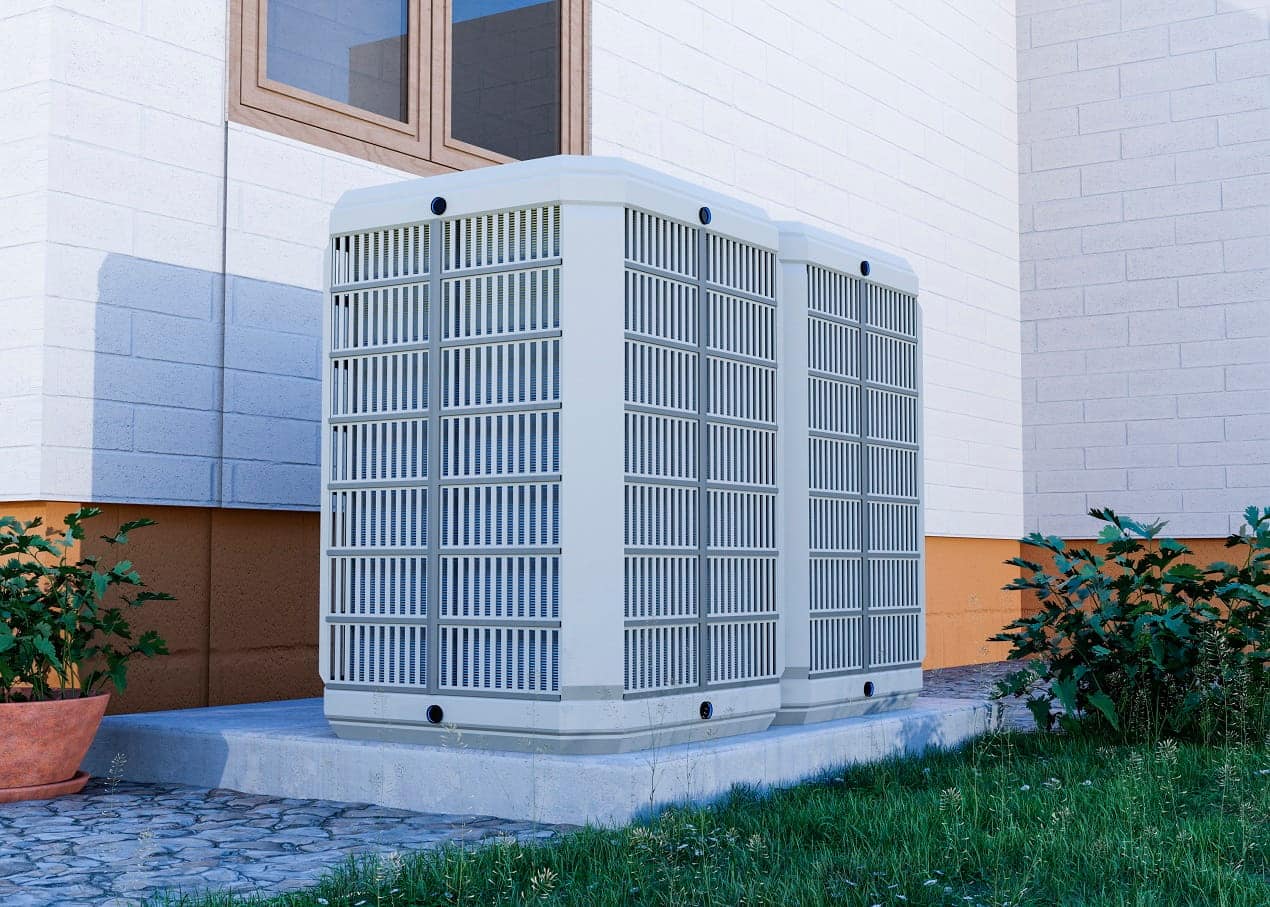
Split HVAC systems are among the most commonly installed configurations in residential properties, particularly in suburban environments. These systems are called “split” because they divide components between indoor and outdoor units. Typically, the outdoor unit houses the condenser and compressor, while the indoor unit contains the evaporator coil and air handler. This separation allows for efficient heat exchange and controlled air distribution throughout the home. One notable advantage is the system’s compatibility with ductwork, enabling consistent airflow to multiple rooms.
Additionally, split systems can incorporate either a furnace or a heat pump, depending on climate needs. Their flexibility makes them adaptable to varying seasonal demands, but they require regular maintenance to keep both indoor and outdoor components functioning in harmony. As highlighted in Sactown Local’s El Dorado Hills HVAC Guide, understanding this system type helps homeowners recognize how air circulation, filtration, and temperature control are interconnected within a unified structure.
2. Packaged Systems and Their Compact Design Efficiency
Packaged HVAC systems consolidate all major components—compressor, condenser, and evaporator—into a single outdoor unit, often installed on rooftops or adjacent to the home. This design is particularly advantageous for properties with limited indoor space, as it eliminates the need for a separate indoor unit. Air is circulated through ductwork that connects directly to the packaged unit, simplifying installation compared to split systems. In El Dorado Hills, where property layouts vary, packaged systems offer a practical solution for homes that cannot accommodate extensive indoor equipment. Their compact size does not compromise functionality; they deliver both heating and cooling efficiently.
However, because all components are exposed to outdoor conditions, durability and weather resistance become important considerations. Routine inspections are essential to prevent wear from environmental exposure. By understanding packaged systems, homeowners can better evaluate whether space-saving design aligns with their comfort and maintenance expectations.
3. Ductless Mini-Split Systems and Zoned Climate Control
Ductless mini-split systems have gained popularity for their ability to deliver targeted heating and cooling without relying on traditional ductwork. These systems consist of an outdoor compressor unit connected to one or more indoor air-handling units, each installed in a separate room or zone. This configuration allows homeowners to control temperatures independently in different areas of the house, improving energy efficiency by avoiding unnecessary conditioning of unused spaces.
In regions like El Dorado Hills, where homes may feature additions or converted spaces, ductless systems offer a flexible alternative to extending ductwork. Installation is generally less invasive, requiring only small conduits for refrigerant lines and electrical connections. While the upfront investment can be higher than that of some traditional systems, the long-term energy savings and precise temperature management often justify the cost. Understanding ductless systems highlights the growing shift toward personalized comfort solutions within residential environments.
4. Heat Pumps and Their Dual-Function Capability
Heat pumps operate on a principle that differs from conventional heating systems: instead of generating heat, they transfer it. During colder months, a heat pump extracts heat from the outside air and moves it indoors; during warmer months, it reverses the process, acting as an air conditioner. This dual-function capability makes heat pumps a versatile option for moderate climates such as El Dorado Hills. Their efficiency stems from the fact that transferring heat requires less energy than producing it, resulting in lower operating costs under suitable conditions.
However, performance can decline in extremely low temperatures, which may necessitate a supplementary heating source. Advances in technology have improved cold-weather performance, making heat pumps increasingly viable in a wider range of environments. By understanding how heat pumps function, homeowners can better assess whether this energy-conscious approach aligns with their climate conditions and long-term energy goals.
5. Hybrid Systems and Adaptive Energy Use
Hybrid HVAC systems combine the functionality of a traditional furnace with a heat pump, creating a dual-fuel system that adapts to changing temperature conditions. The system automatically switches between the two energy sources based on efficiency, using the heat pump during milder weather and the furnace when temperatures drop significantly.
]This adaptive approach ensures consistent comfort while optimizing energy consumption throughout the year. In El Dorado Hills, where seasonal fluctuations are present but not extreme, hybrid systems offer a balanced solution that maximizes efficiency without compromising performance. Installation involves integrating both components into a single control system, allowing seamless transitions between heating methods.
Maintenance considerations include servicing both the furnace and the heat pump, which requires a comprehensive understanding of the system’s operation. By exploring hybrid systems, homeowners gain insight into how combining technologies can create a more responsive and efficient indoor climate solution tailored to varying seasonal demands.
Understanding HVAC system types is a foundational step toward making informed decisions about home comfort and energy use. Each system—whether split, packaged, ductless, heat pump, or hybrid—offers distinct operational characteristics that influence installation requirements, maintenance routines, and overall performance.
In El Dorado Hills, where climate patterns and housing designs vary, choosing the right HVAC system involves more than basic functionality; it requires a strategic evaluation of efficiency, flexibility, and long-term value. With a clearer understanding of these systems, homeowners are better positioned to manage their indoor environments effectively.