

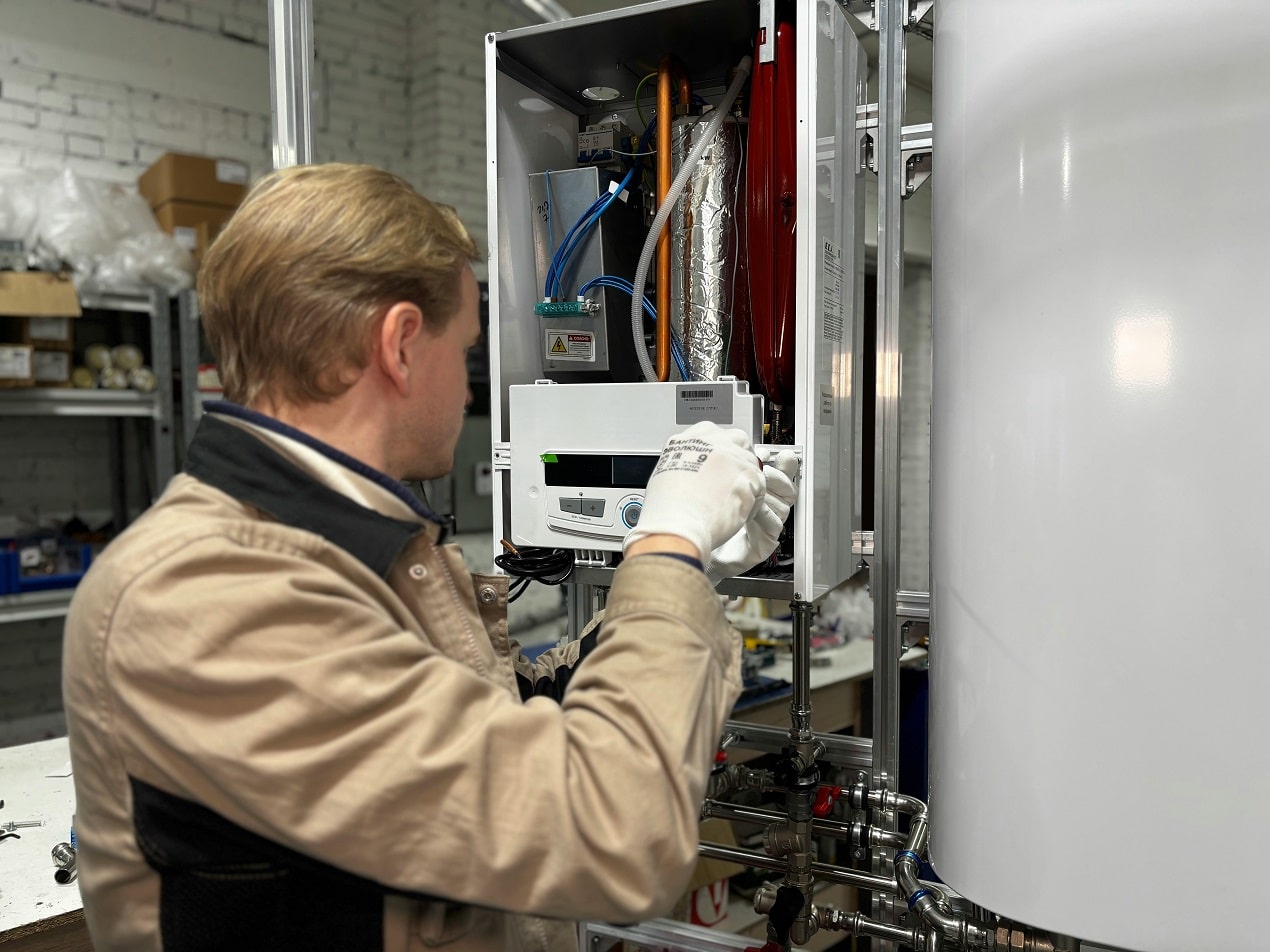
Most homeowners do not pay much attention to the water heater until there is no hot water or water shows up on the floor. In many cases, the unit gives signs before that happens. Knowing what to look for can help you deal with a problem before it turns into a larger repair.
Homeowners looking into local repair needs and common service issues can review water heater repair in San Mateo to see the kinds of problems professionals are often called to handle.
Rumbling or Popping Sounds
If your water heater makes rumbling or popping sounds, sediment may be sitting at the bottom of the tank. Over time, hard water leaves behind minerals that settle and harden. That buildup makes it harder for the unit to heat water properly.
When that happens, the heater may use more energy and put more wear on its parts. Flushing the tank once a year can help remove sediment. If the unit is older or has not been flushed before, it is a good idea to have it checked before doing any maintenance.
Discolored or Smelly Hot Water
Rust-colored or brown hot water can mean there is corrosion inside the tank. Run the hot water by itself and check the color. If the cold water looks clear and the hot water does not, the issue may be coming from the heater.
A sulfur-like smell in hot water is often connected to bacteria inside the tank reacting with the anode rod. The anode rod helps protect the tank from rust. In some cases, replacing it solves the problem. If corrosion has already reached the tank itself, replacement is usually the next step.
Running Out of Hot Water Too Fast
If your hot water runs out sooner than it used to, something has changed inside the system.
Common causes include:
- a failing heating element in an electric unit
- a thermostat that is not working properly
- sediment taking up space inside the tank
A technician can usually trace the cause without much trouble and tell you whether the fix is minor or more involved.
Water Pooling Around the Base
Water around the base of the heater should not be ignored. Sometimes the source is a loose connection or a valve that needs adjustment. In other cases, the tank may have a crack, and that is not something that can be repaired.
Even a small leak can affect flooring, drywall, or anything stored nearby. It is worth checking the area around the unit every so often, especially if the heater has been in place for years.
Should You Repair or Replace?
Age matters when you are deciding what to do next. Most tank-style water heaters last around 8 to 12 years. If your unit is already in that range and needs a major repair, compare the cost of the work with the cost of replacing it.
Replacement usually makes more sense when:
- the repair cost is more than half the price of a new unit
- the heater is 10 years old or older
- more than one issue is showing up at the same time
Repair may still be the better choice when:
- the unit is under 7 years old
- only one part needs to be replaced
- the tank has no visible rust or cracks
A technician can help you weigh that decision based on the condition of the unit.
Simple Habits That Help Prevent Problems
You do not need special training to keep a water heater in better shape. A few basic maintenance steps can help:
- flush the tank once a year
- test the pressure relief valve every six months
- check the anode rod every two to three years
- insulate older tanks and exposed hot water pipe near the unit
These are simple tasks, but they can help the system run more smoothly over time.
Pay Attention to Early Changes
Water heaters often show signs before they stop working. Unusual sounds, discolored hot water, shorter hot water supply, and water near the base all deserve a closer look.
Regular maintenance does not guarantee a long lifespan, but it does make it easier to catch problems while they are still manageable.