

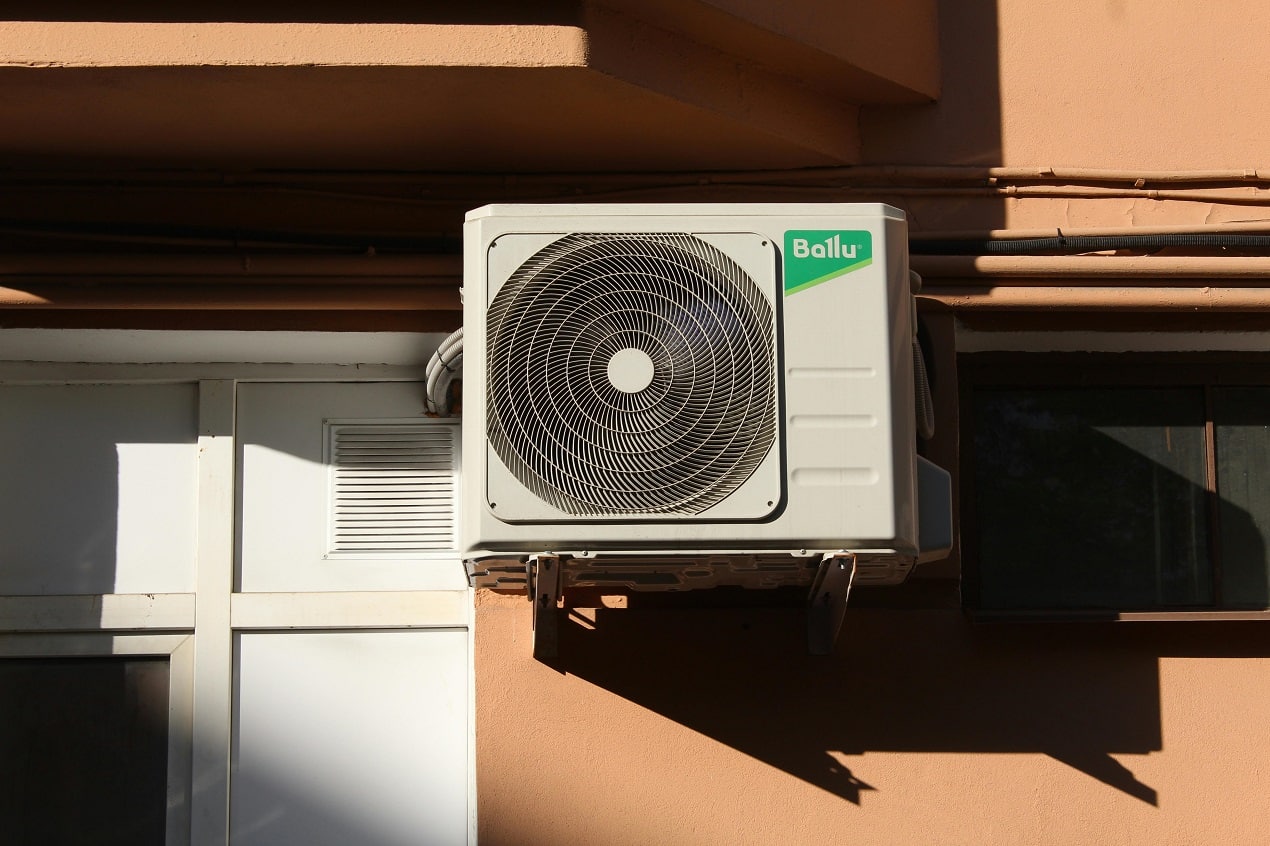
Is your air conditioner acting up right when you need it most?
Almost 9 out of 10 homes in the US have air conditioning – and when AC problems happen, it can feel like heat death approaches instantly. Fortunately, most AC issues are predictable. After learning a few common symptoms of AC trouble, you’ll have an easy time identifying the problem.
Here’s What You’ll Find Out:
- Why Diagnosing Early Saves You More Than Money
- The Most Common Signs Something Is Wrong
- What’s Actually Causing Those Problems
- Fast Fixes You Can Try Right Now
- When To Call Air Conditioning Repair Services
Why Diagnosing Early Saves You More Than Money
Neglecting a minor AC issue is one of the worst things you can do financially as a homeowner.
Something as simple as a small refrigerant leak or dirty filter can escalate into complete system breakdown. Typical AC repair bills average $350 per service call – and that’s just for repair, not replacement.
Here’s the thing…
The best way to fix it is not to break it. Preventative maintenance of your home air conditioning solutions will always be cheaper than calling for emergency air conditioning repair.
The Most Common Signs Something Is Wrong
Here are the warning signs that show up most often.
Warm Air Blowing From The Vents
If your vents are blowing warm air — or air that’s not cold enough — something isn’t right.
The most likely culprits here are:
- Low refrigerant levels from a slow leak
- A dirty air filter restricting airflow to the evaporator coil
- A failing compressor that can’t pressurize the refrigerant properly
Don’t ignore it. Warm air is your AC waving a red flag.
Strange Noises Coming From The Unit
A healthy AC is quiet. Banging, rattling, squealing, or clicking sounds are not normal.
- Banging or clanking likely a loose or broken internal component
- Squealing often means the fan belt is worn or motor bearings are failing
- Clicking on startup can signal an electrical issue or a failing relay
The louder the noise, the more urgent the fix.
Water Leaking Around The Unit
A small amount of condensation is normal. Puddles are not.
Water near the indoor unit is typically due to a clogged condensate drain line. Algae/debris builds up in the line eventually resulting in water leaks and mold damage if not addressed.
Short Cycling
Is your AC turning on, running for a while then shutting off repeatedly?
That’s called short cycling. Prevents the unit from fully cooling, increases your energy bill, and seriously taxes the compressor. Some of the most common causes are an oversized unit, a dirty filter or low refrigerant.
What’s Actually Causing These Problems?
Here’s a breakdown of the root causes behind most AC failures.
- Dirty or clogged filters: Believe it or not, this is the number one reason why evaporator coils freeze up. When the filter is clogged it restricts air flow and starves the evaporator coil of air.
- Low refrigerant: There’s not enough refrigerant in the system to absorb heat. Have a certified technician service the system, don’t try to DIY!
- Faulty capacitors: Capacitors are what assist with starting up the motor. When they go out, your unit won’t turn on or cut out during a cycle.
- Blocked condenser coils: Heat is expelled from the outdoor unit. Condenser coils clogged with dirt and debris lose efficiency quickly.
- Worn-out parts: The average lifespan of an AC unit is 10–15 years. After that, parts begin to degrade more quickly. In the U.S. alone, as many as 3 million AC systems are replaced each year.
Fast Fixes You Can Try Right Now
Some simple tests can prevent wasted time & money before hiring a technician.
Change the air filter. If it hasn’t been replaced within the past 1–3 months, start with this one. More AC issues are caused by a dirty filter than most people realise.
Verify the thermostat. Is it set to “cool” with a temperature setting below room temperature? Also, check the batteries.
Clear the outside unit. Your condenser should have at least 2 feet of clearance. Clear away leaves and debris from around the condenser.
Flush the condensate drain line. Add diluted white vinegar to the drain pan to remove algae build-up and keep it from clogging.
These four steps fix a surprising number of AC complaints — and cost nothing.
When To Call Air Conditioning Repair Services
Some problems need a professional — no question about it.
Call in air conditioning repair services if:
- The AC blows warm air and a filter swap didn’t fix it
- Ice is forming on the refrigerant lines or evaporator coil
- The unit makes loud, grinding, or banging noises
- There is a burning smell coming from the vents
- The system short cycles and none of the basic fixes work
42% of homeowners have their AC professionally maintained each year. Units that are serviced regularly last up to 40% longer.
A professional tune-up once a year keeps small problems from turning into expensive ones.
The Bottom Line
The earlier you can diagnose AC troubles, the difference between a simple repair and replacing the whole system. There are signs – warm air, odd noises, water leaks, short cycling – that occur long before total failure.
Here’s a quick recap:
- Check the filter first — it solves more problems than expected
- Act on unusual sounds early
- Keep the outdoor unit clear and the condensate drain flushed
- Call air conditioning repair services when basic fixes fail
- Book a professional service once a year without fail
The earlier the diagnosis, the better the outcome.
Frequently Asked Questions
What are the most common signs of AC problems?
Blowing warm air from the vents, strange banging or squealing noises, leaks around the indoor unit, and short cycling on and off.
Why is my AC running but not cooling?
Either a dirty filter, low refrigerant, or bad compressor are the most probable reasons. Replace your filter first. If it still doesn’t work, have the level of refrigerant and compressor checked by a qualified technician.
How often should air conditioning repair services be scheduled?
Annual maintenance is recommended. Equipment that undergoes routine professional servicing enjoys a much longer lifespan and is less prone to failure.
When should an AC unit be replaced rather than repaired?
Think replacement if cost of repairs is more than 50% of replacement cost or if the system is more than 12–15 years old. A technician can help you decide.