

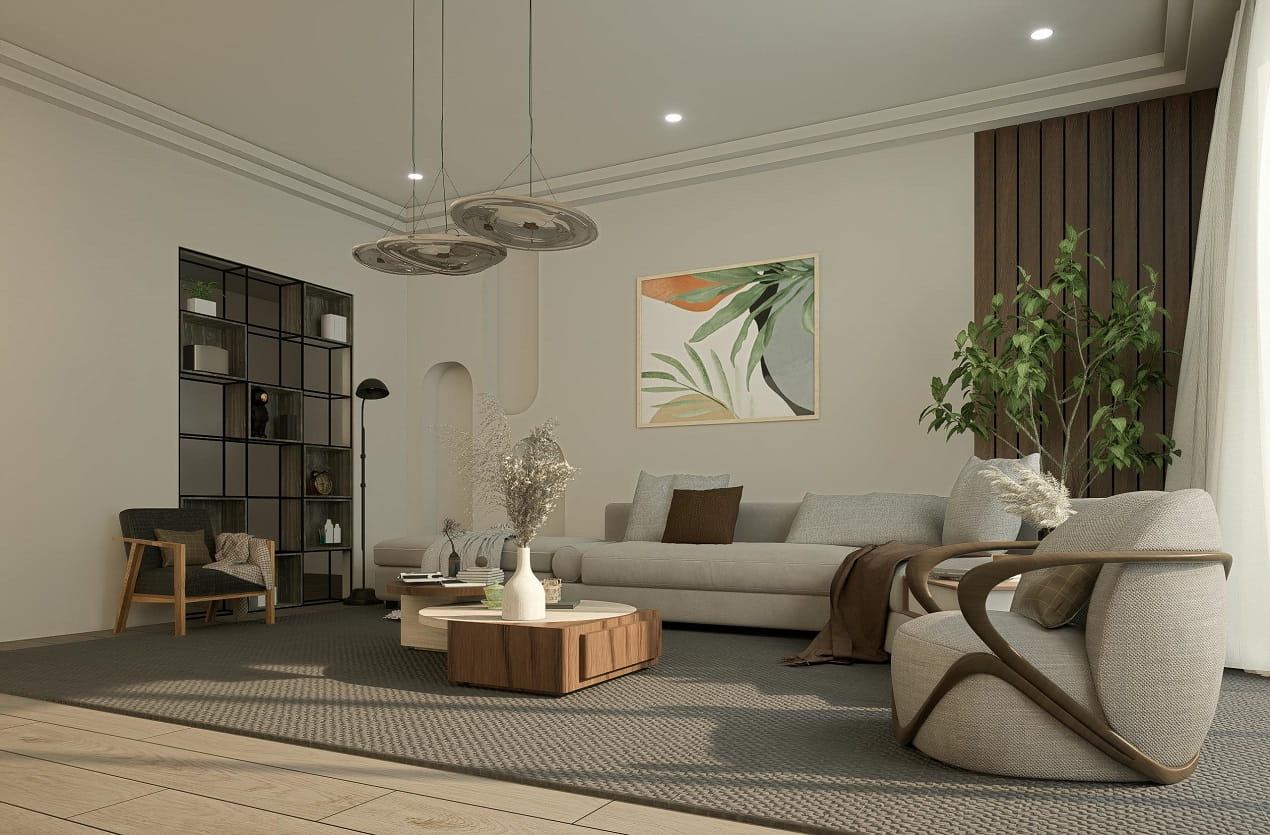
A designer-looking home does not need expensive furniture or luxury decor. It needs a clear plan, balanced styling, and smart choices. Many rooms look unfinished because the rug is too small, the curtains hang too low, the lighting feels harsh, or the decor does not match the rest of the space.
You can get a designer look with stylish home decor on a budget by fixing the details people notice first. If you are comparing affordable decor, textiles, or home accessories from stores like Voghion, focus on color, layout, lighting, texture, and a few strong decor pieces before buying. These changes can make affordable items look polished and intentional.
Step 1: Choose a Clear Color Palette
A clear color palette helps budget decor look planned. Pick two main colors and one accent color before you shop. This keeps the room from looking crowded or random.
For a warm living room, you can use cream walls, beige seating, black frames, and olive green pillows. For a calm bedroom, you can use white bedding, taupe curtains, wood furniture, and soft blue accents.
The goal is not to match every item perfectly. The goal is to repeat colors in small ways. If you use black in a lamp base, repeat black in a frame or curtain rod. If you use brass handles, repeat brass in a mirror, tray, or light fixture.
Step 2: Fix the Furniture Layout First
A better furniture layout can make a room look more expensive before you buy anything.
- Pull seating closer together so the room feels comfortable, not scattered.
- Keep clear walking paths around sofas, beds, tables, and chairs.
- Make one main focal point, such as a bed, window, fireplace, TV wall, or large artwork.
- Remove extra furniture that makes the room feel tight or crowded.
- Balance large pieces with smaller pieces so one side of the room does not feel heavy.
When the layout feels open and balanced, the whole room looks cleaner. Even simple furniture can look more stylish when it sits in the right place.
Step 3: Use a Larger Rug to Ground the Room
A rug can change the whole look of a room. A small rug often makes furniture look disconnected. A larger rug helps the room feel finished.
In a living room, the front legs of the sofa and chairs should sit on the rug if possible. In a bedroom, the rug should reach beyond both sides of the bed. In a dining area, the rug should be large enough for chairs to stay on it when pulled out.
If a large rug costs too much, choose a simple neutral rug and layer a smaller patterned rug over it. This gives the room more depth without a high price.
Step 4: Hang Curtains Higher and Wider
Curtains can make a room look taller, softer, and more polished when you hang them the right way.
- Place the curtain rod a few inches above the window frame.
- Extend the rod wider than the window so the glass looks larger.
- Choose curtains that touch the floor or come very close to it.
- Use soft fabrics like cotton, linen-look panels, or light textured material.
- Avoid short, shiny, or very thin curtains if you want a high-end look.
This simple change works well in living rooms, bedrooms, dining rooms, and rental apartments. It makes the space feel more finished without major work.
Step 5: Add Warm Lighting at Different Heights
Lighting has a big effect on how a room feels. One ceiling light often makes a space look flat. Add lamps at different heights to create a softer, more designed look.
Use a table lamp beside a sofa, a floor lamp near a reading chair, or a plug-in wall light beside a bed. Warm white bulbs usually make a room feel more comfortable than cool white bulbs.
Lighting also helps budget decor look better. A simple side table, framed print, or vase can look more polished when the light around it feels warm and soft.
Step 6: Add Texture Instead of Extra Clutter
Texture adds warmth and depth without filling the room with too many decor pieces.
- Use a knit throw on a plain sofa or bed.
- Add linen, velvet, cotton, or woven pillow covers.
- Bring in wood, ceramic, glass, metal, or rattan accents.
- Use baskets for storage so the room feels styled and practical.
- Add a small plant or greenery to soften hard surfaces.
A room looks richer when the materials feel layered but not crowded. Keep the colors close to your palette so the texture feels calm, not messy.
Step 7: Style Tables and Shelves with Fewer Pieces
A designer-style room does not need every surface covered. Coffee tables, shelves, dressers, and entry tables look better when you leave some open space.
For a coffee table, use a tray, a small vase, and a stack of books. For an entry table, use a lamp, a mirror, and a basket. For shelves, mix books with one or two decorative objects instead of lining up many small items.
Empty space makes each piece stand out. It also makes the room easier to clean and easier to enjoy.
Step 8: Upgrade Basic Furniture with Simple Changes
You do not always need to replace cheap furniture. Small updates can make a basic piece look more custom and stylish.
- Upgrade the Hardware. Swap plain knobs or handles on dressers, nightstands, cabinets, and console tables with brass, matte black, bronze, or brushed nickel finishes. This small change helps budget furniture look more stylish and connected to the room.
- Refresh the Paint. Paint old furniture in a rich, clean color such as black, cream, deep green, navy, or warm brown. A fresh finish can make a basic piece look newer and more polished.
- Cover Worn Surfaces. Use peel-and-stick contact paper on scratched tabletops, shelves, or drawer fronts. Choose wood-look, marble-look, or solid-color finishes that match your room’s color palette.
- Replace the Legs. Add new legs or feet to a simple cabinet, sofa, side table, or dresser. This can make flat-pack furniture look more custom and less basic.
- Style Around the Piece. Add a mirror, lamp, tray, books, or vase near the furniture. Good styling helps the piece look intentional instead of plain.
These small changes help affordable furniture blend into the room better. When the finish, hardware, and styling match the rest of the space, even simple furniture can look polished.
Final Thoughts
You can create a designer look with stylish home decor on a budget by improving the details that shape the whole room. Start with a simple color palette, then fix the layout, rug size, curtains, lighting, texture, surfaces, and furniture.
A home looks expensive when it feels calm, useful, and connected. Spend on items that affect the whole room, such as rugs, curtains, and lighting. Save on smaller accents like vases, trays, pillow covers, and framed prints.