

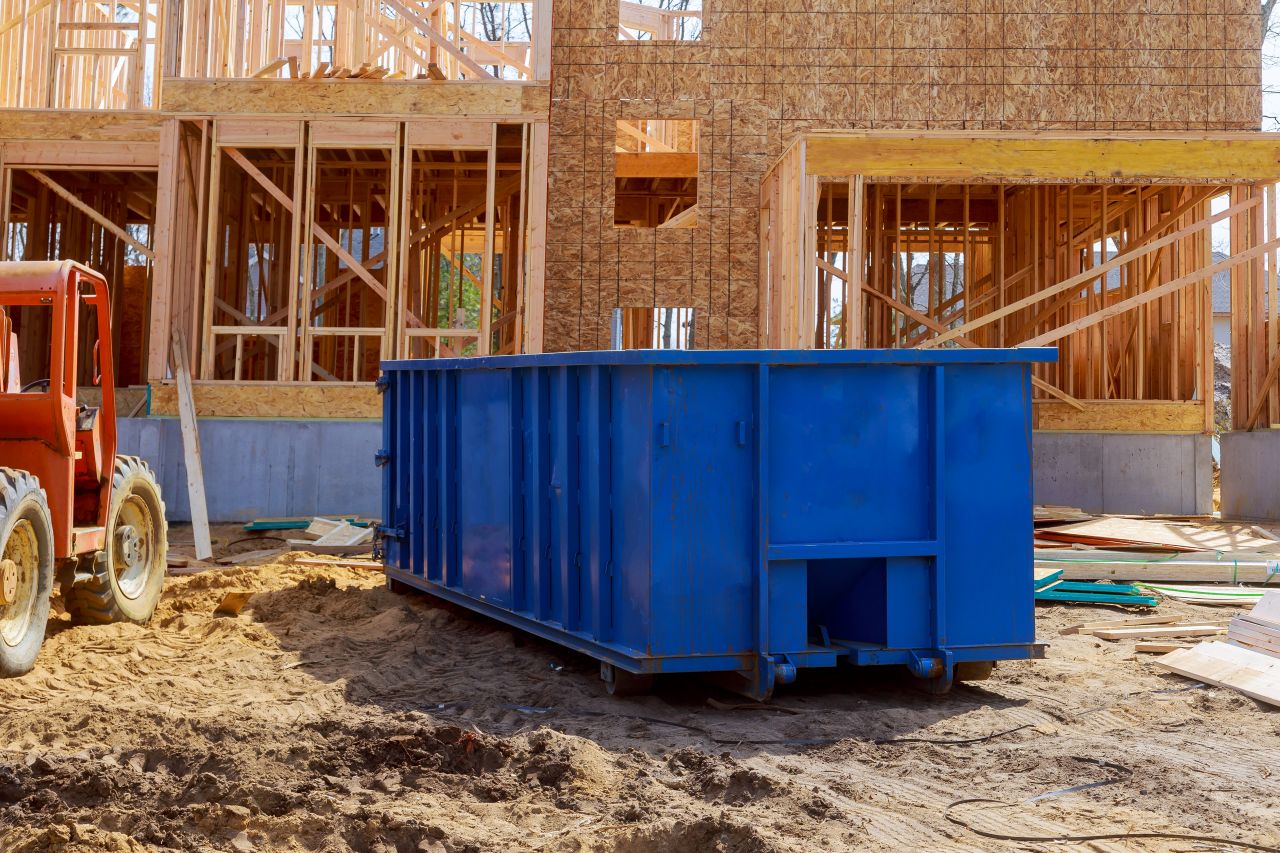
Big cleanup jobs generate far more waste than a standard curbside bin can handle. Tearing out a worn deck, stripping storm-damaged rooms to the studs, or gutting an entire floor during a remodel fills space fast. Yet waste removal is one of the first details people overlook when planning a construction project. Skip this step, and even a well-run job can grind to a halt under piles of broken drywall, splintered lumber, and junk fixtures.
Why Big Projects Create Big Waste Problems
Redoing a single bathroom might only fill a handful of bags. A full-house renovation, a roof tear-off, or a commercial demolition tells a very different story. To handle that much debris, you need a full-fledged dumpster truck to discard all the waste.
Hauling debris in a personal truck or letting it pile up in the yard wastes hours, burns fuel, and often breaks local codes. Lining up a reliable dumpster rental before work begins keeps the site clean and prevents expensive holdups. With one designated on-site container, crews can focus on the actual job instead of making dump runs.
Matching Container Size to the Scope of Work
Roll-off bins come in a few standard sizes, measured in cubic yards. A 10-yard unit handles a single-room cleanout or a modest landscaping removal. Mid-range choices (20 to 30 cubic yards) cover roof replacements, multi-room gut renovations, and moderate tear-downs. Full-structure demolitions or commercial strip-outs call for a 40-yard container, offering enough room to avoid swapping bins mid-project.
Renting the right-fit dumpster can make all the difference here. Going too small means paying for a second haul. Going too large means paying for empty space. Estimating the debris type and volume before the first swing of a hammer prevents both errors. Concrete and brick are far heavier than carpet or drywall, so tonnage caps deserve the same attention as cubic-yard capacity.
Keeping the Job Site Safe and Efficient
Loose debris ranks among the top causes of worksite injuries. Exposed nails jut from stray boards, shattered glass sits hidden beneath tarps, and stacked waste narrows walkways. Placing a container in a central spot gives every worker one clear disposal area. Clutter drops, injury odds shrink, and code inspectors have fewer concerns, all of which are possible by simply renting a good enough dumpster.
Plenty of U.S. cities and counties require a permit whenever a container occupies a public street or sidewalk. Because these rules shift from one jurisdiction to the next, a quick call to the local public works office before delivery day prevents fines or forced moves. Residential driveways usually need no permit, though setback distances and pavement weight ratings still apply.
Environmental Responsibility During Cleanup
Environment-conscious debris recovery starts with proper sorting right at the container. Breaking materials into groups (wood, metal, concrete, general trash) boosts recycling rates and often lowers disposal costs, since many haulers discount pre-sorted loads.
Paint, chemical solvents, asbestos-containing tiles, and batteries are off-limits for a standard roll-off bin. Tossing them in risks regulatory fines and environmental harm. Posting a brief list of banned materials near the container keeps every crew member informed and compliant.
Timely Delivery and Pickup for Maximum Value
Standard rental windows fall between 7 and 14 days. Scheduling drop-off right before demolition starts, then arranging pickup soon after the final sweep, keeps the timeline lean and the bill low. On phased projects, booking a series of shorter dumpster rentals often beats tying up one bin for months.
Wet debris weighs significantly more, and that extra weight can push a load past the tonnage limit. Building seasonal rain into the schedule and covering the bin with a tarp during downpours guards against surprise overage fees.
Wrapping Up
Every successful large-scale cleanup rests on a solid waste plan. Selecting the right container size, positioning it where crews can reach it easily, sorting materials before loading, and aligning the rental window with project milestones all hold costs in check. The sooner this strategy takes shape, the smoother the entire job runs from first day to final haul.