

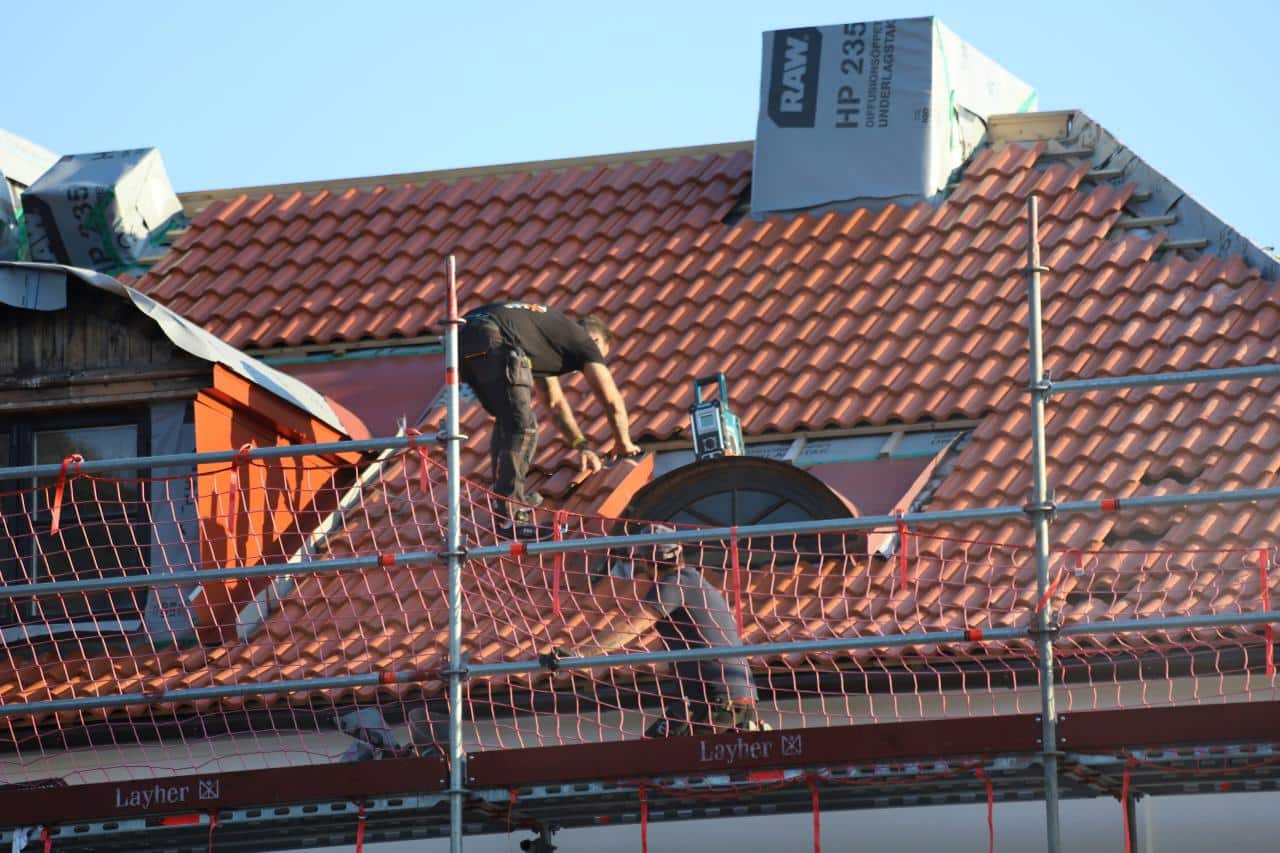
Roof installation is among the most physically demanding and logistically complex aspects of residential construction. Whether it is a full roof replacement or installing a new system on a custom build, contractors often work at heights, handle bulky materials, and operate under tight timeframes. This is where professional heavy lifting and rigging practices play a critical role. By integrating the right equipment and techniques, roofing projects become safer, faster, and far more controlled.
The Challenge of Roofing Materials
Roofing materials are not only heavy but also awkward to handle. Bundles of shingles, rolls of underlayment, structural beams, trusses, and even rooftop HVAC components must be lifted from the ground to the roof. Carrying these materials manually up ladders increases fatigue, slows progress, and introduces unnecessary risk.
Heavy-lifting equipment eliminates these inefficiencies. Instead of relying on manual labor, contractors can move large quantities of materials in a single lift, reducing worker strain and keeping the project moving at a steady pace.
Improving Jobsite Safety
Safety is a top priority in roofing. Falls, dropped materials, and improper handling are leading causes of jobsite incidents. Heavy-lift solutions help mitigate these risks by enabling controlled, predictable movement of loads.
Rigging tools such as synthetic slings are commonly used to secure roofing materials during lifting. Their flexibility allows them to conform to various shapes, while their strength keeps loads stable throughout the lift. For more rigid or structural components, wire rope slings may be used to handle higher loads and provide added durability.
Using properly rated shackles and hooks ensures secure connections between the lifting device and the load. These components are designed to maintain structural integrity under load, reducing the risk of failure during critical lifting operations.
Faster Material Placement
Time is a major factor in roofing projects, especially when weather conditions are unpredictable. The faster materials can be moved and installed, the less exposure there is to rain, wind, or other weather-related delays.
Cranes and material hoists are often used to lift pallets of shingles or large roofing components directly onto the roof. When paired with rigging hardware such as spreader bars, loads can be balanced evenly, preventing shifting or damage during lifting. This allows materials to be placed exactly where they are needed, minimizing repositioning once they reach the roof.
In tighter residential spaces where cranes may not be practical, equipment such as forklift booms or portable hoists can still provide the lifting power needed to move materials efficiently.
Handling Structural Roofing Elements
Modern roofing projects often involve more than shingles. Structural elements such as prefabricated trusses, beams, and large panels require precise placement to ensure proper alignment and load distribution.
Heavy lifting is critical to positioning these components. Using lifting beams or spreader bars helps distribute the load evenly, reducing stress points and preventing deformation. Tag lines are often used to guide loads into place, allowing workers to maintain control without placing themselves in unsafe positions.
This level of precision is difficult to achieve through manual handling alone, underscoring the importance of professional rigging practices in roofing.
Reducing Labor Strain and Fatigue
Roofing crews already work in physically demanding conditions, often exposed to heat and sun, and work long hours. Repeatedly carrying heavy materials up ladders adds unnecessary strain and increases the likelihood of fatigue-related errors.
By incorporating heavy lifting equipment, crews can focus more on installation quality rather than on material transport. This not only improves overall efficiency but also helps maintain consistent workmanship throughout the project.
Adapting to Complex Jobsite Conditions
Every roofing project presents unique challenges. Limited access, uneven terrain, and nearby structures can complicate material handling. Heavy lifting solutions offer flexibility in these situations.
For example, adjustable rigging configurations using chain slings or multi-leg sling assemblies allow contractors to adapt to varying load shapes and sizes. Beam clamps can create temporary lifting points when traditional anchor locations are unavailable. These tools enable safe work even in less-than-ideal conditions.
Supporting Professional Roofing Standards
Heavy lifting is not just about convenience. It is a key component of professional roofing practices. Proper lifting techniques help protect materials from damage, ensure accurate placement, and maintain a safer work environment for everyone on site.
When contractors use the right combination of lifting equipment and rigging hardware, they reduce risk and improve productivity. From synthetic slings and shackles to cranes, hoists, and spreader bars, each tool contributes to a more efficient workflow.
Bringing It All Together
Roof installation requires more than skilled labor and quality materials. It demands careful planning, safe practices, and the ability to handle heavy loads efficiently. Heavy-lift solutions enable this by streamlining material movement, improving safety, and enabling precise placement of roofing components.
Whether working on a residential home or a larger construction project, using proper rigging tools and lifting equipment ensures roofing installations are completed with greater control and confidence.