

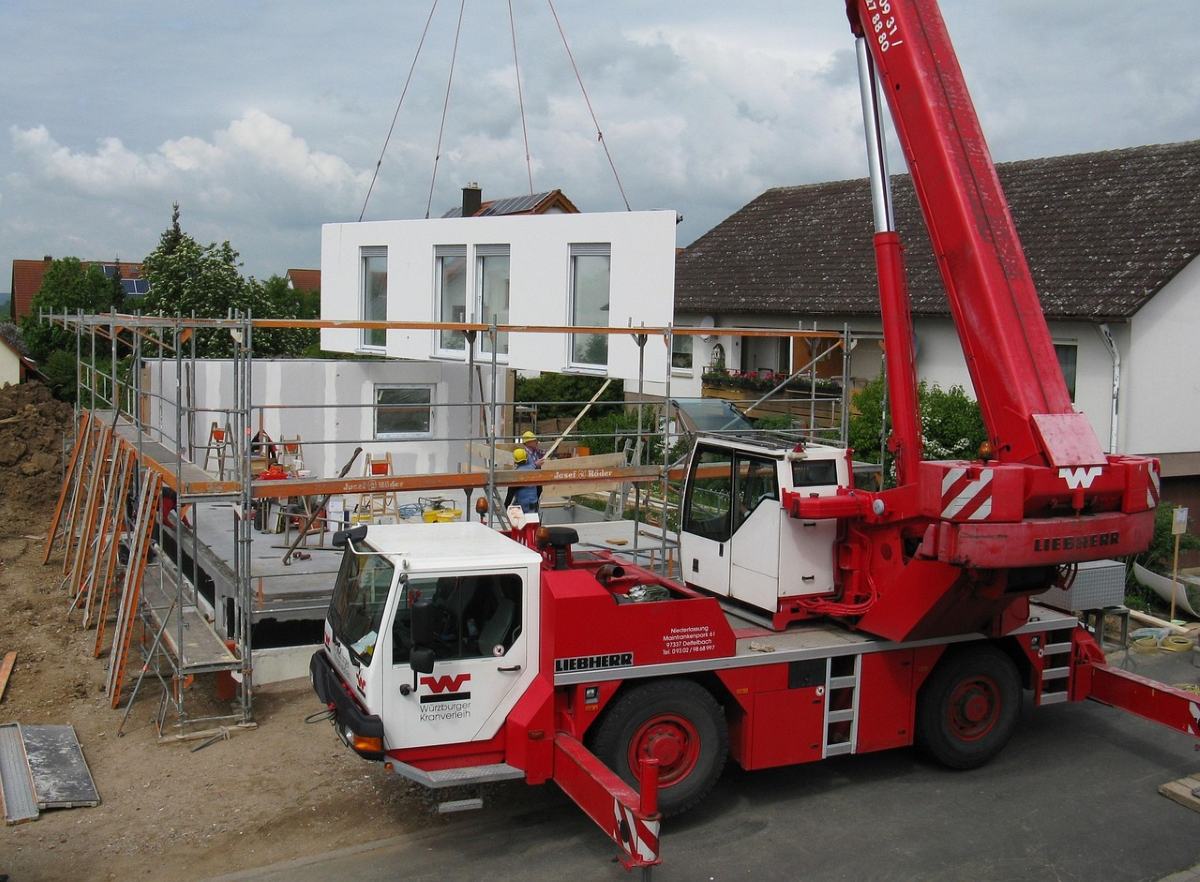
Big home upgrades often start with a vision. Floor-to-ceiling windows, exposed structural beams, oversized kitchen islands, and luxury features like hot tubs and rooftop units can completely transform a space. What is less visible is the process of getting those large, heavy elements into place. This is where heavy lifting and professional rigging come into play.
Behind nearly every major home improvement project involving oversized materials is a carefully planned lifting operation. With the right equipment and techniques, contractors can safely move, position, and install components that would otherwise be impossible to handle by hand.
The Challenge of Oversized Home Features
Modern home design trends are pushing the limits of size and scale. Homeowners want larger windows for natural light, heavier stone countertops for durability, and structural elements that create open-concept layouts. These upgrades often involve materials that are not only heavy but also difficult to maneuver.
For example, a large quartz or granite countertop slab can weigh hundreds of pounds. Steel beams used to open interior spaces can be even heavier. Attempting to move these items without proper lifting equipment increases the risk of damage, delays, and injury.
Heavy lifting solves this problem by enabling contractors to move large components with precision and control, even in tight residential settings.
Safe and Controlled Lifting
Safety is one of the primary reasons heavy lifting is essential for home upgrades. Moving oversized materials by hand or with improvised methods creates unnecessary hazards. Professional rigging ensures loads are secured, balanced, and lifted in a controlled manner.
Synthetic slings are commonly used to lift delicate materials such as finished countertops or glass panels. Their soft construction helps prevent surface damage while still providing strong load support. For heavier structural elements, wire rope slings are often preferred for their durability and higher load capacity.
To connect these slings to lifting equipment, contractors rely on hardware such as shackles, eye bolts, and lifting hooks. Each component is rated for a specific load, ensuring the entire system performs safely under pressure.
Precision Placement for High-End Results
Many home upgrades require precise placement to achieve the desired look and ensure structural integrity. Installing a large window, for example, requires exact alignment within a framed opening. Structural beams must be positioned correctly to support loads without shifting or settling.
Heavy lifting equipment allows contractors to make small adjustments during placement. Tools such as spreader bars and lifting beams help distribute weight evenly, keeping loads stable as they are moved into position. Tag lines are often used to guide materials from a safe distance, giving workers more control without putting them at risk.
This level of precision is especially important in high-end renovations, where even minor misalignment can affect both appearance and performance.
Making Complex Installations Possible
Some home upgrades simply would not be possible without heavy lifting. Installing a prefabricated staircase, lifting HVAC units onto rooftops, or installing large decorative features like stone fireplaces all require equipment capable of handling significant weight.
Cranes are often used for exterior lifts, especially when materials need to be moved over the house or into hard-to-reach areas. In more confined spaces, forklift booms or compact material hoists can provide the necessary lifting capacity without taking up too much space.
Rigging configurations can also be adjusted based on the shape and size of the load. Multi-leg chain slings, for example, can stabilize irregular objects, while beam clamps can create temporary anchor points when lifting from existing structures.
Reducing Labor and Increasing Efficiency
Heavy lifting does more than move materials. It improves a project’s overall efficiency. By reducing the need for manual handling, crews can complete installations faster and with less physical strain.
Instead of carrying materials piece by piece, entire assemblies can be lifted into place in a single operation. This not only speeds up the process but also reduces the likelihood of fatigue-related errors.
For homeowners, this often means shorter project timelines and fewer disruptions throughout the renovation.
Protecting Materials and Property
Large and expensive materials must be handled carefully to prevent damage. Dropping or dragging heavy components can lead to costly repairs or replacements. Heavy lifting equipment helps protect both the materials and the surrounding property.
Using the right rigging tools keeps loads stable during movement. Synthetic slings prevent scratches on finished surfaces, while properly rated hardware keeps connections secure throughout the lift. Controlled lifting also reduces the risk of accidental impacts with walls, floors, or existing structures.
Adapting to Residential Jobsite Conditions
Unlike large construction sites, residential projects often have limited space and access. Narrow driveways, landscaping, and nearby structures can make positioning lifting equipment difficult.
This is where flexible rigging solutions become valuable. Adjustable sling configurations, compact hoists, and portable lifting devices enable contractors to work within these constraints while maintaining safety and efficiency.
With proper planning and the right equipment, even challenging job-site conditions can be managed effectively.
Making Your Biggest Home Ideas Possible
Home upgrades are about more than improving function. They are about creating spaces that reflect personal style and enhance everyday living. Heavy lifting plays a critical role in turning those ideas into reality.
From lifting structural beams to installing oversized design elements, professional rigging enables complex installations to be executed with confidence. By combining the right tools, techniques, and expertise, contractors can deliver results that meet both aesthetic and structural expectations.
In the end, heavy lifting is not just a behind-the-scenes task. It is a key part of what makes modern home upgrades achievable, safe, and successful.