

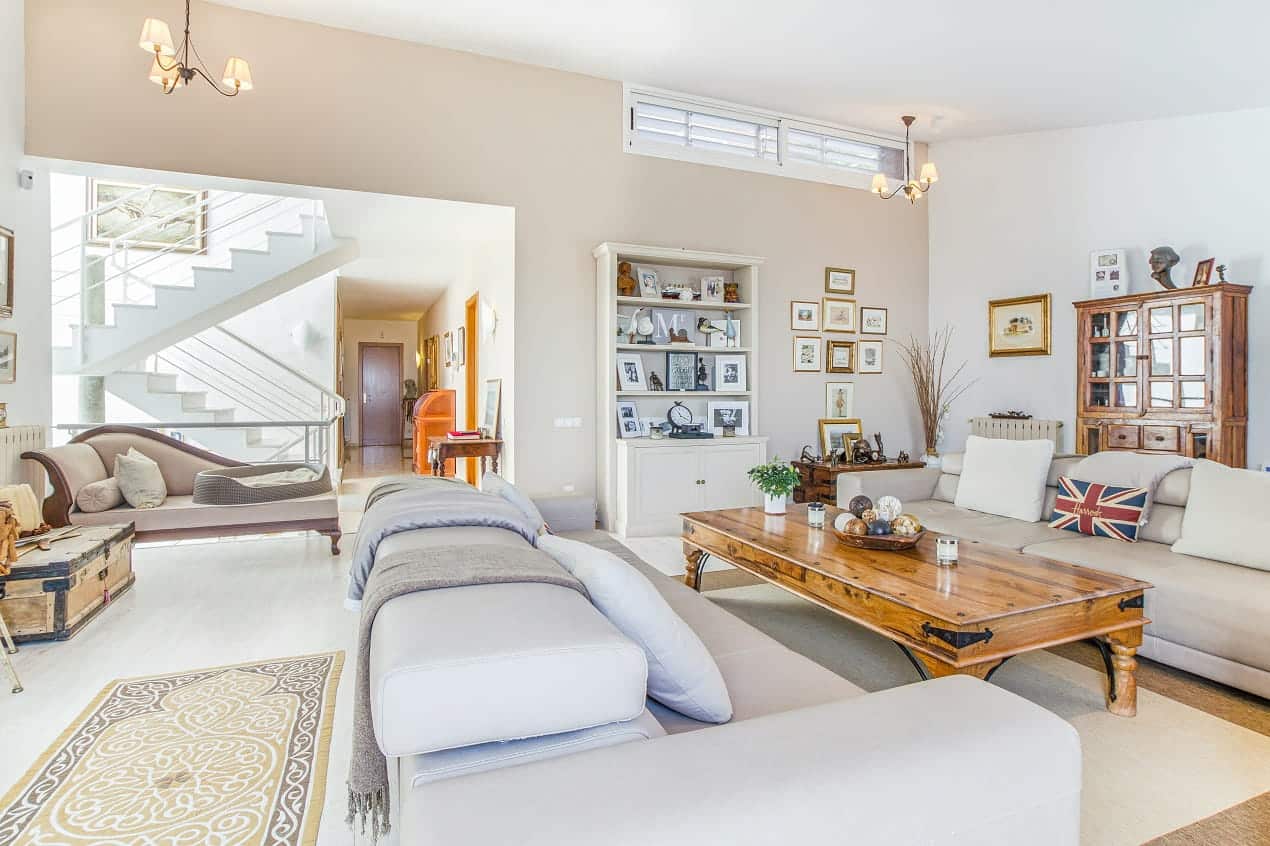
Homes today must support many changing daily activities. Multifunctional spaces help families use rooms in smarter ways. With flexible homes, the space shifts with the lifestyle needs. The custom home builders Miami focus on comfort and practical everyday use. They create open plans to create a better flow between different home areas.
Homes now need to support both activity and relaxation. Therefore, design choices focus on balance and daily comfort. Families expect homes to support work and personal time. A single room may handle different tasks during one day. A well-planned layout can create a sense of more space and better organization in a home. Thus, adaptable homes provide long-term value and better living quality.
Understanding Multifunctional Spaces
Multifunctional spaces allow rooms to serve different purposes easily. A dining area can also support study or work tasks. Living areas may act as entertainment or reading zones. Storage solutions help keep spaces neat and easy to manage. A vertical storage option saves floor space and adds more function. Hence, space planning becomes important in modern homes today.
Many families benefit from spaces that support different daily activities. Moreover, room designs can be changed accordingly. Furniture placement enhances the space efficiency, and light colors improve the room usability. Thus, modern and minimalist designs improve comfort levels.
Benefits of Flexible Layouts
Flexible home design improves how space is used daily. Rooms can support both quiet time and active moments. Adjustable layouts allow better use of available square footage. Design changes help reduce the need for extra construction. Families can create zones for different activities easily. Thus, flexibility supports both comfort and long-term convenience.
Well-planned layouts improve movement and reduce wasted space. Clear pathways make homes easier to navigate daily. Lighting plays a key role in defining different areas. Flexible furniture allows quick changes without much effort. Homes become easier to maintain with simple design choices. Hence, flexible layouts improve both function and daily comfort.
How Modern Lifestyles Influence Design
Modern living creates demand for more adaptable home spaces. Daily routines often include work and relaxation together. Homes must support digital work and personal activities equally. The social spaces must feel open and welcoming. Therefore, a balance between private and shared spaces is important.
However, lifestyle changes influence how rooms are planned and used. Also, the flexible zones support creative and physical activities at home. So, people need areas for hobbies and personal interests.
The Role of Builders
Custom home builders Miami design homes with purpose. Builders focus on making each space useful and practical. Layout planning ensures every area serves a clear function. Material choices also affect comfort and long-term durability. Builders aim to create homes that remain useful over time. Thus, planning plays a key role in overall home design.
One example includes Blackwall Builders in Los Angeles. They create homes that match modern lifestyle needs clearly. Their work focuses on efficient layouts and smart use. Their approach supports both comfort and long-term functionality. This method helps homeowners enjoy better daily living experiences.
Design build construction in Miami supports early design planning. Builders consider layout and function from the beginning stage. This process helps avoid design issues in the future. Spaces remain practical and easy to maintain over time. Therefore, builder expertise improves both design and usability.
Sustainability Through Smart Design
Sustainability plays an important role in modern home design today. Smart designers help reduce waste and improve energy efficiency. They design spaces with fewer materials and lower energy use daily. Moreover, using less artificial lighting and better airflow improves comfort and air quality.
In addition, efficient layouts help avoid extra construction. With simple design choices, homes become manageable for daily use. Thus, sustainability and function work together in modern homes.
Furniture and Technology Trends
Modern furniture supports better space use and flexibility. Compact designs help save space and improve room function. Storage furniture helps keep homes clean and organized daily. Multi-use furniture supports different activities within one space. Therefore, furniture design plays a major role in usability.
Technology improves comfort and control within home spaces. Smart systems help manage lighting and indoor temperature easily. Automation supports daily routines and saves time for families. Charging stations and smart devices support modern lifestyles. Hence, technology enhances both comfort and convenience in homes.
Conclusion
Multifunctional spaces and modern living shape today’s home design approach. Homes must support changing needs and daily activities clearly. Smart planning improves comfort and overall living experience. Efficient layouts help families use space in better ways. Therefore, homes become more practical and easier to maintain.
Modern homes benefit from flexible home design for long-term use. Simple design choices improve comfort and reduce daily stress. Well-planned spaces support both work and relaxation needs. Hence, multifunctional design remains important for future home planning.
FAQs
1. What are multifunctional spaces and how support modern living?
Multifunctional spaces allow rooms to serve different daily purposes. They support modern living with better space use. Living rooms can act as work or relaxation areas. Kitchens may support dining and light work tasks. Smart furniture helps improve room function easily. Thus, homes remain useful and comfortable for daily needs.
2. How does flexible home design benefit families?
Flexible home design helps rooms adjust to daily activities. They allow families to use one space for many purposes. Layout changes improve comfort and make homes easier to use. Better design reduces clutter and improves organization daily. Hence, flexible homes support comfort and long-term living needs.
3. Can multifunctional spaces increase home value?
Homes with flexible layouts attract buyers looking for practical spaces. custom home builders Miami enhance overall home design and usability. Multifunctional spaces support modern lifestyle needs effectively. Smart design helps increase long-term property value steadily. Therefore, adaptable homes remain attractive in housing markets.
4. What design elements make spaces multifunctional?
Good layout planning helps rooms serve multiple daily purposes. Design build construction in Miami helps homeowners create better layouts. They use smart furniture to improve flexibility and save space. They design lighting to define areas for activities clearly. Storage solutions keep rooms organized and easy to manage. Hence, smart design improves both comfort and usability.