

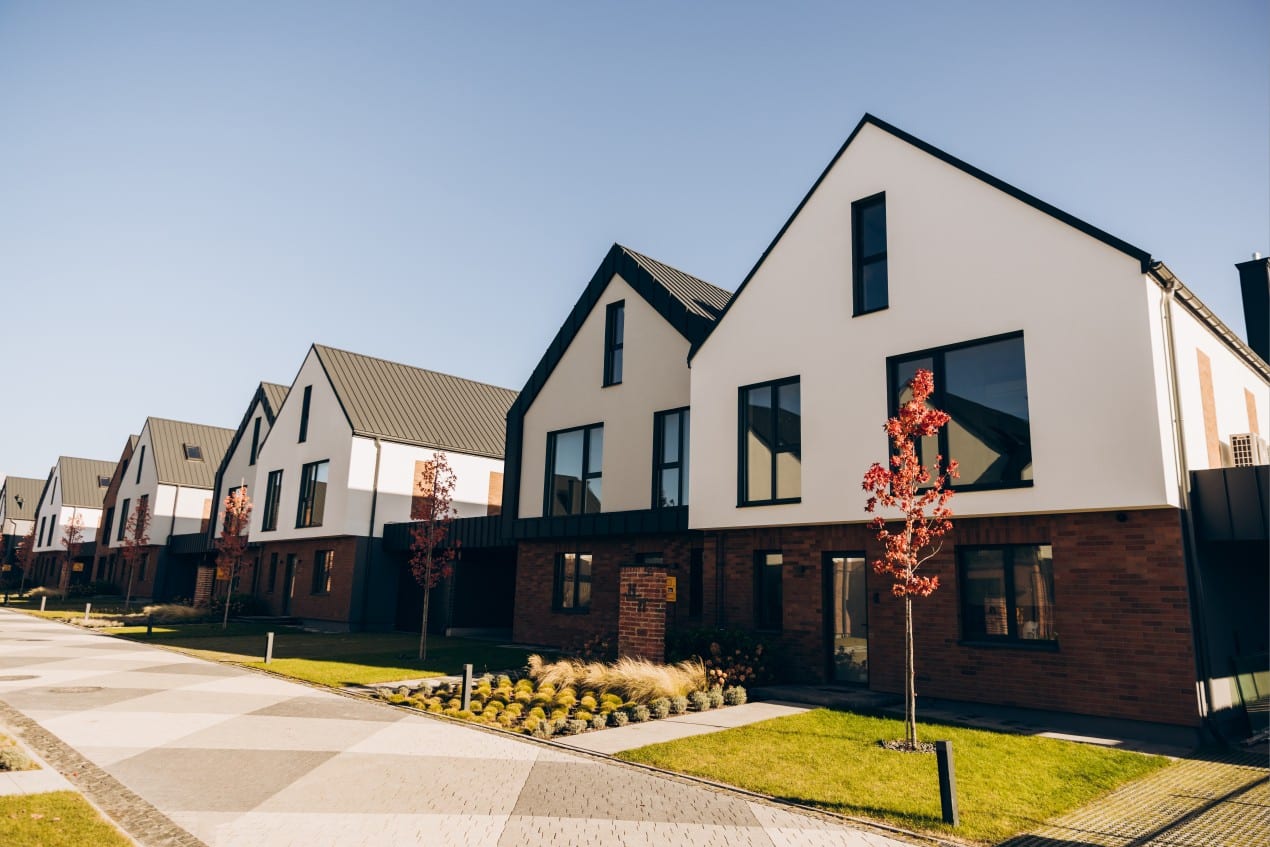
For a long time, the concept of “accessible housing” conjured images of clinical environments, sterile hospital-like bathrooms, and clunky ramps. Fortunately, the world of interior design has evolved. Today, accessibility is driven by Universal Design creating environments usable by all people to the greatest extent possible, without the need for adaptation.
Modern accessible homes are no longer about just meeting a medical need; they are about blending style, comfort, and functionality. Whether for ageing in place or supporting those with disabilities, the goal is to create spaces that look beautiful and work seamlessly for everyone.
The Intersection of Style and Support
The most significant shift is the move toward “invisible” accessibility, where features are integrated into the initial build. Open-plan living, a hallmark of contemporary design, is perfect for wheelchair circulation, removing the need for tight turns and narrow doorways.
For individuals requiring robust support, this integration is vital. We are seeing a surge in specialised properties that feel less like facilities and more like high-end apartments. In Queensland, for instance, new developments in disability respite are setting a benchmark by offering proximity to community hubs while maintaining a stylish, residential aesthetic. These homes prove that high physical support does not require a compromise on lifestyle. By incorporating modern finishes and natural light, these spaces foster a sense of belonging rather than isolation.
Understanding the Standards
When discussing homes designed for specific needs, it is important to understand the frameworks that ensure safety. In Australia, the Specialist Disability Accommodation (SDA) market is governed by strict guidelines.
According to the official SDA Design Standard resources available through organizations like the Housing Hub, housing is categorised into four distinct design categories:
- Improved Liveability: For people with sensory or cognitive impairments, featuring better wayfinding.
- Robust: Built with resilient materials to reduce the risk of injury and property damage.
- Fully Accessible: Incorporates high-level physical access features, including wheelchair accessibility.
- High Physical Support: The highest level, featuring structural provisions for ceiling hoists and assistive technology.
These categories help architects and builders understand exactly what is required to ensure the physical environment acts as an enabler rather than a barrier.
Smart Technology as the Ultimate Enabler
While wide hallways are foundational, technology is the layer that unlocks independence. The “Smart Home” revolution allows residents to control their environment lighting, blinds, and temperature with a voice command or tablet.
This goes beyond convenience. For someone with limited mobility, answering the front door via an app or turning off lights from bed is a matter of safety. If you are looking for inspiration on how to upgrade your living environment, visiting The Home Trotters can provide excellent ideas on integrating functional and stylish elements into any property. Innovations such as sensor-driven lighting not only improve energy efficiency but ensure the home reacts to the user’s needs instantly.
Key Design Features for Independent Living
Creating a home that supports independence involves looking at the details. Here are some practical ideas transforming accessible housing:
- Continuous Step-Free Flooring: Removes trip hazards and allows for smooth movement for walkers and wheelchairs.
- Reinforced Walls: Extra timber behind plasterboard in bathrooms allows for easy installation of grab rails later without damaging the structure.
- Adjustable Bench Heights: Motorised kitchen benches allow wheelchair users and standing users to share the cooking space.
- Touchless Fixtures: Sensor-activated faucets reduce the need for fine motor skills and improve hygiene.
- Wet Rooms: Open “wet room” style bathrooms look luxurious and are entirely accessible due to the lack of glass barriers.
Future-Proofing for Everyone
The beauty of designing for independence is that it creates a better home for everyone. A house with wider doors makes moving furniture easier. Smart lighting saves energy for any homeowner. By embracing these principles, accessibility becomes a standard feature of modern living rather than a “special” requirement. Whether it is a purpose-built apartment in Brisbane or a family renovation, the focus is shifting toward spaces that adapt to us.