

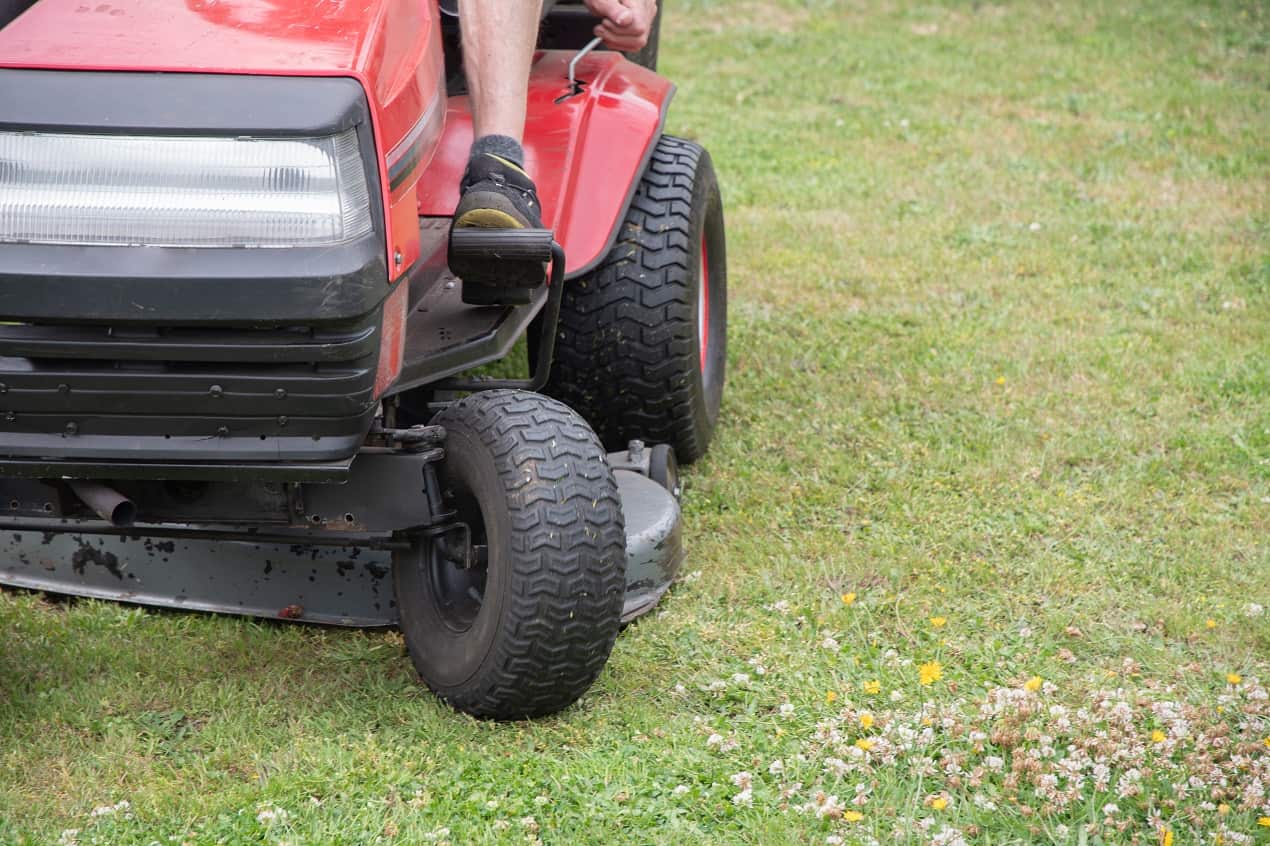
Lawn mowers rely on a system of belts and pulleys to transfer power from the engine to essential components like the wheels and cutting blades. Among these components, the drive belt plays a crucial role in keeping the mower moving smoothly across the lawn. When this belt begins to wear out, the mower may lose traction, move inconsistently, or stop working altogether.
Many mower owners don’t think about the condition of their belts until problems begin to appear. Understanding the warning signs of belt wear can help prevent breakdowns and extend the life of your equipment. At the same time, knowing basic information such as how are lawn mower belts measured, how to measure lawn mower belts, and what size belt does my mower need can make replacing a worn belt much easier.
In this guide, we’ll explain how to recognize a worn drive belt, how mower belts are measured, and how to choose the correct replacement.
What Does a Lawn Mower Drive Belt Do?
A lawn mower drive belt transfers rotational power from the engine crankshaft to the mower’s transmission or drive wheels. Without this belt, the mower cannot move forward or backward.
Drive belts are commonly found on riding mowers, lawn tractors, and self-propelled walk-behind mowers. They operate under significant tension and friction, which means they gradually wear out over time.
Because drive belts are constantly exposed to heat, vibration, grass debris, and dust, they eventually develop cracks, stretching, or glazing. When mower owners begin troubleshooting drive problems, they often start by inspecting lawn mower drive belts to determine whether the belt has worn down or lost its proper tension.
Recognizing early signs of belt wear is important because a damaged drive belt can affect overall mower performance and may even damage other components like pulleys and bearings if left unchecked
Common Signs Your Drive Belt Is Worn
If you suspect your mower’s belt may be worn, there are several symptoms to look for. These signs often appear gradually but become more noticeable over time.
1. The Mower Moves Slower Than Usual
One of the most common indicators of belt wear is reduced ground speed. If the engine runs normally but the mower struggles to move forward, the drive belt may be slipping.
This usually happens when the belt has stretched beyond its original length or when the rubber surface becomes polished and loses grip.
2. The Mower Stops Moving Intermittently
A worn belt may occasionally lose contact with the pulleys, causing the mower to stop moving even though the engine is running.
This problem can occur when the belt has become loose due to stretching or when internal reinforcement fibers begin to break down.
3. Squealing or Screeching Noises
Unusual noises during operation often signal belt issues. A squealing sound typically indicates the belt is slipping against the pulley system.
This can happen if the belt is worn, improperly aligned, or contaminated with debris.
4. Visible Cracks or Fraying
Physical inspection is one of the easiest ways to detect belt wear. Signs of damage may include:
- Cracked rubber
- Frayed edges
- Missing chunks of material
- A shiny glazed surface
These signs usually indicate the belt should be replaced soon.
5. Burning Rubber Smell
If a drive belt slips excessively, friction can produce heat and cause a burning rubber odor. This is often a sign that the belt is deteriorating or incorrectly tensioned.
How Are Lawn Mower Belts Measured?
When it becomes necessary to replace a worn belt, many mower owners ask the same question: how are lawn mower belts measured?
Belts are typically measured using three main specifications:
- Belt length
- Belt width
- Belt profile or cross-sectional shape
Most lawn mower belts are V-belts, which are designed to sit inside pulley grooves. The belt’s angled shape allows it to grip tightly while transferring power efficiently.
Manufacturers often list belt sizes based on the outer circumference or effective length. This difference can sometimes cause confusion when determining the correct replacement.
Understanding how are mower belts measured helps ensure that the new belt fits properly and maintains the correct tension within the drive system.
How to Measure Lawn Mower Belts
If the original part number is missing or the owner’s manual is unavailable, learning how to measure lawn mower belts becomes essential.
Here is a simple process for measuring a mower belt accurately.
Remove the Belt
Before removing the belt, always disconnect the spark plug to prevent accidental engine start-up. Carefully release tension and remove the belt from the pulley system.
Measure the Belt Length
Lay the belt flat on a work surface and measure around the entire loop using a flexible measuring tape.
If the belt has snapped, measure both pieces and combine the measurements to estimate the original length.
This measurement helps answer the question many mower owners have: what size belt does my mower need.
Measure the Belt Width
Use a ruler or caliper to measure the width across the top of the belt. Most mower belts fall within a standard range but must match the pulley size precisely.
Check the Belt Profile
Look at the cross-sectional shape of the belt. V-belts are the most common, but their angles and depths can vary depending on the mower model.
Knowing how is a lawn mower belt measured helps avoid purchasing an incorrect replacement belt.
Choosing the Right Replacement Belt
Once you determine that your belt is worn and have identified the correct measurements, selecting a quality replacement becomes the next step.
Many mower owners compare different brands and suppliers to ensure compatibility and durability. During this process, some turn to aftermarket parts by UDC Parts, which are known among equipment owners for offering replacement belts designed to match common mower specifications.
Using reliable aftermarket components can help restore mower performance without the higher cost often associated with original manufacturer parts. A well-made replacement belt should provide proper tension, durability, and resistance to stretching.
When evaluating replacement belts, it’s important to verify that the specifications match your mower’s requirements.
Tips for Extending Drive Belt Life
While drive belts eventually wear out, proper maintenance can help extend their lifespan and reduce the likelihood of sudden failure.
Inspect Belts Regularly
Checking belts every few mowing sessions allows you to detect early signs of wear before the belt fails completely.
Keep the Deck Clean
Grass clippings, dirt, and debris can accumulate around pulleys and cause excess friction.
Check Pulley Alignment
Misaligned pulleys can cause uneven belt wear and reduce efficiency.
Replace Worn Pulleys
Damaged pulleys may have sharp edges that accelerate belt deterioration.
Avoid Sudden Engagement
Engaging the mower’s drive system gradually reduces stress on the belt.
Routine maintenance not only protects the belt but also improves the overall reliability of the mower.
Understanding Belt Size and Compatibility
When selecting a replacement belt, mower owners frequently search for answers to questions like how are mower belts measured and what size belt does my mower need.
Matching the correct length, width, and profile ensures that the belt operates under proper tension and fits the pulley system precisely. A belt that is too long may slip, while one that is too short can place excessive strain on the drive system.
Consulting manufacturer specifications or reliable parts catalogs can make the selection process easier and help avoid ordering the wrong component.
Final Thoughts
A worn drive belt can significantly affect your mower’s performance, causing reduced speed, slipping, unusual noises, or complete loss of movement. Recognizing these symptoms early allows you to replace the belt before additional damage occurs.
By understanding how are lawn mower belts measured, learning how to measure lawn mower belts, and determining what size belt does my mower need, mower owners can confidently identify the correct replacement and restore their equipment’s performance.
With proper inspection, accurate measurements, and quality replacement parts, maintaining a lawn mower’s drive system becomes a straightforward task that helps keep your machine running efficiently throughout the mowing season.