

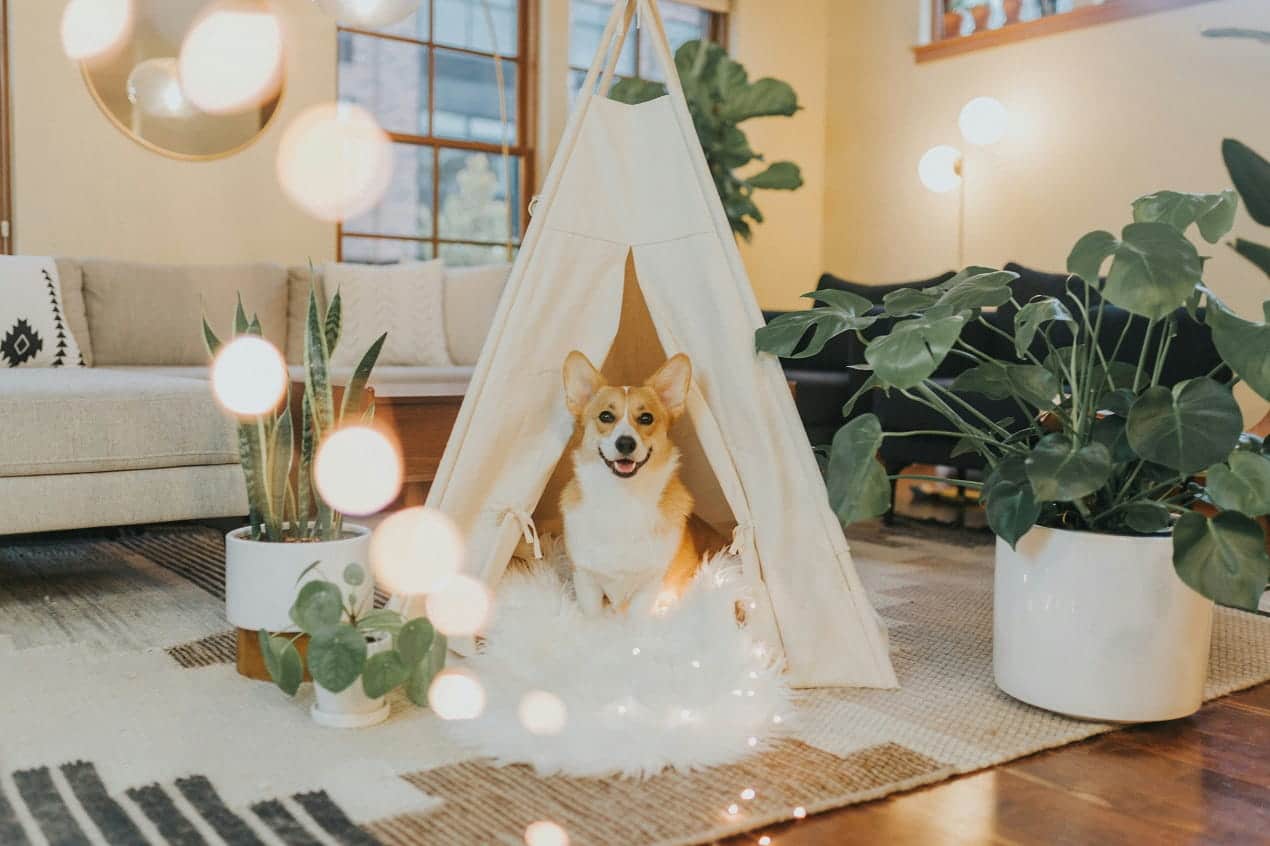
Every dog lover has heard that you can have a beautiful home or you can have a dog, but you can’t have both. Fortunately, with a few smart choices around materials, layout, and even the dog itself, your home can stay stylish for years. Dog-proofing works best when it starts before your puppy ever walks through the door. Here is how to pull it off.
Assess Your Dog’s Daily Needs
Your first design decision is not a paint color or a sofa. It is the dog. Coat type, size, and temperament decide how much wear your home actually takes. Low-shedding, compact companions like adorable mini bernedoodles are naturally easier on furniture, floors, and air quality than heavy shedders.
Breeders like Berry Patch Puppies in Pennsylvania raise their minis with early socialization and genetic testing, so the puppies arrive calm, healthy, and ready for home life. A well-adjusted puppy chews less, scratches less, and settles faster, which is the best interior design tip nobody talks about.
Choose Durable and Sturdy Fabrics
Not all upholstery is created equal when it comes to bearing dogs’ claws and drools. Performance fabrics and tightly woven synthetics shrug off fur and moisture, while leather actually looks better as it ages. Skip velvet and loose weaves since they trap hair and snag easily. Washable slipcovers are your best friend on busy weeks. Darker shades and busy patterns also hide stray hairs between cleanings.
Select Flooring That Handles Claws and Accidents
Floors take the biggest beating in a dog household, so choose wisely here:
- Luxury vinyl plank tops the list for scratch and water resistance at a friendly price.
- Porcelain tile is nearly indestructible and stays cool for afternoon naps.
- Sealed hardwood works well if you keep nails trimmed and wipe accidents quickly.
- Washable rugs add warmth without permanent damage, so layer them over hard floors with non-slip pads.
- Carpet belongs only in low-traffic rooms, if anywhere at all.
Design a Dog Zone That Blends In
Give your dog a dedicated corner and the rest of the house stays yours. A feeding station in the mudroom, a crate tucked inside a stylish console, and a basket for toys keep dog gear from spreading everywhere.
Place the zone away from main walkways so nobody trips over dinner. Puppies that come home already crate-trained adjust to these setups almost overnight, so ask your breeder what training your pup starts with.
6 Small Styling Tricks That Save Your Sanity
A few finishing touches make daily life with a dog much smoother. Try these simple upgrades around the house:
- Mount leash hooks by the door. A small rack keeps leashes, harnesses, and waste bags in one grab-and-go spot instead of draped over chairs.
- Drape washable throws on favorite nap spots. Your dog gets a cozy landing zone, and your sofa stays protected, since the throw goes straight into the wash.
- Choose furniture-style pet gates. Wooden or freestanding gates blend with your decor and control access without looking like a barricade.
- Use storage ottomans for toys. They quietly swallow squeaky toys and chew bones before guests arrive, then double as extra seating.
- Keep a cleaning caddy nearby. Stock an enzyme cleaner, a lint roller, and microfiber cloths in a cabinet near your dog’s zone for quick cleanups.
- Add a doormat at every entrance. Two mats, one outside and one inside, trap most of the dirt and moisture before muddy paws reach your floors.
Endnote
You never had to choose between a beautiful home and a happy dog. Pick durable materials, carve out a smart dog zone, and start with a puppy raised for family life. Your home and your best friend will both thank you. Remember that dog-proofing is a gradual process. Start with the changes that matter most, like flooring and upholstery, then add the smaller touches as you learn your dog’s habits. Every dog is different, so pay attention to where yours naps, chews, and plays.