

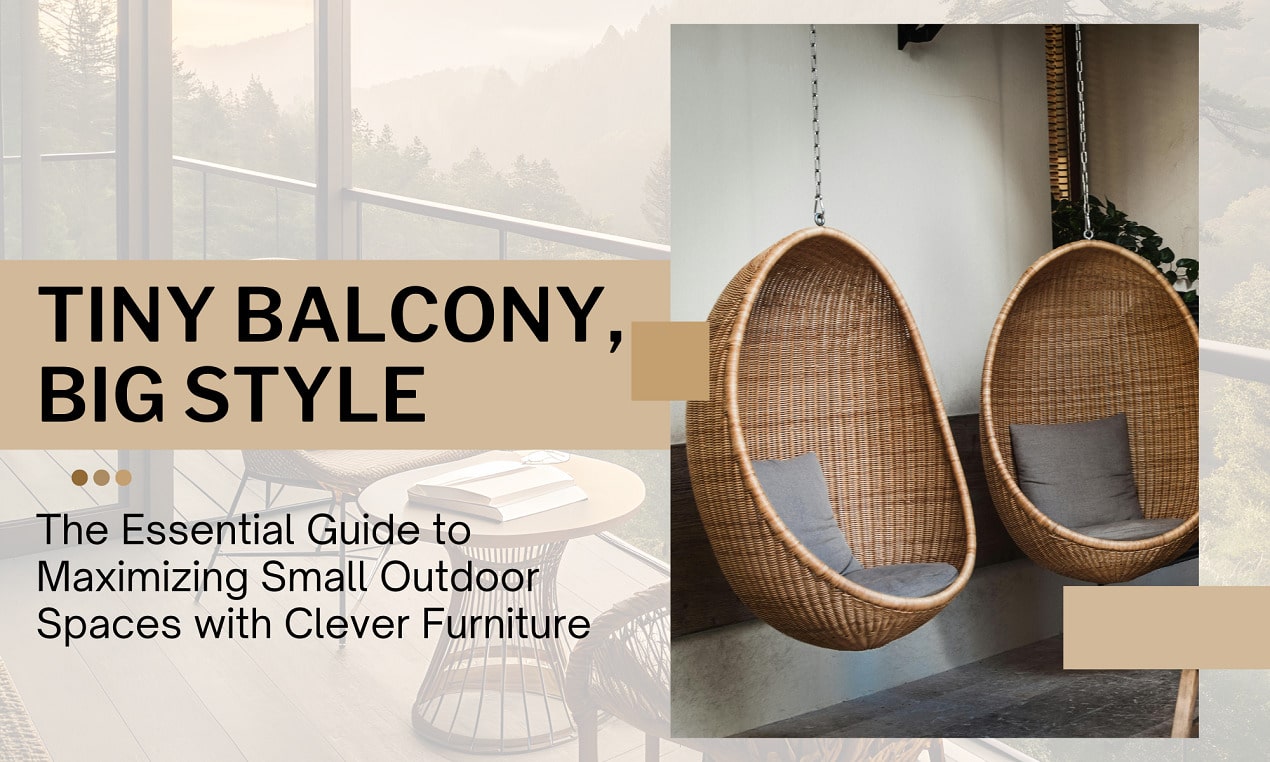
In Australia’s vibrant urban centers, a balcony is a coveted piece of real estate. For apartment dwellers and homeowners with limited space, this small patch of fresh air is an essential extension of the indoor living area. The secret to transforming a compact terrace from a cluttered afterthought into a chic, functional retreat lies in smart, well-proportioned, and multi-functional furniture. Imagine sipping your morning coffee or enjoying an evening sunset in an elegant, personalised outdoor nook; perhaps you could even incorporate a stylish hanging chair for your outdoor space to create the perfect reading spot.
The key principles for maximising a small balcony are simple: scale and proportion, multi-functionality, and a strategic layout that keeps the eye moving and the floor clear. By applying these design principles, you can create a space that feels expansive and luxurious, proving that big style truly comes in small packages.
The Power of Multi-Functional Furniture
When every square centimetre counts, your furniture should be working overtime. Multi-functional pieces are the backbone of a high-impact, small-space design, offering storage, seating, and surface area all in one.
- Storage Benches and Ottomans: A simple, stylish bench is a game-changer. Not only does it provide seating for two to three people, but a model with a lift-up lid or drawers offers hidden, weather-resistant storage for cushions, blankets, or gardening tools. This instantly declutters the floor space, making the area feel larger and more serene. An ottoman or pouffe can serve triple duty as an extra seat, a footrest, or a side table when topped with a sturdy tray.
- Folding and Wall-Mounted Tables: Ditch the bulky, fixed dining set. For meals or working from home, a wall-mounted folding table is the ultimate space-saver. When not in use, it simply folds flat against the wall, giving you back all your floor space. Paired with compact folding bistro chairs that can be hung on the wall or neatly stacked, this system offers complete flexibility for both social and solitary use. Look for railing-mounted bar tables, which offer an eating surface and a view without touching the precious floor.
- Modular Seating: Opt for modular lounge pieces that can be rearranged to suit the occasion. A compact, two-piece modular setting can be used as two separate chairs or pushed together to form a small daybed, adapting seamlessly whether you’re relaxing alone or entertaining a friend.
Mastering Scale and Proportion
A common mistake on small balconies is choosing furniture that is simply too big. Correct scale and proportion are crucial for a balanced and inviting space.
- Think Slender and Leggy: Instead of heavy, blocky furniture, choose pieces with a slender profile and exposed, high legs. This allows light and air to flow beneath the furniture, and seeing the floor beneath gives the optical illusion of a larger area. Lightweight materials like powder-coated aluminium or slimline teak are ideal for this aesthetic and are robust enough to handle the harsh Australian climate.
- Go for Smaller Sets: A tiny two-seater bistro set is often a better choice than a slightly larger three-piece set that leaves no room for anything else. If you desire lounge seating, look for a deep-seated but narrow-armed loveseat that maximises sitting area while minimising the overall footprint.
- Round is Right: Round tables, such as a small bistro table, can be more effective than square or rectangular ones in a tight space. They lack sharp corners to bump into, and their curved shape often allows for better flow around the piece, softening the overall feel of the compact area.
Strategic Layouts: The Illusion of Space
A well-planned layout can make a three-square-metre balcony feel like a true outdoor room. This involves drawing the eye vertically and implementing clever visual tricks.
The Vertical Advantage: Climbing Upwards
When you can’t build out, build up. Vertical space is a small balcony’s greatest asset.
- Vertical Planters and Shelving: Install wall-mounted or tiered ladder planters to create a lush, living wall without sacrificing any floor space. This draws the eye upwards, instantly making the ceiling feel higher and the area bigger. A narrow shelving unit can hold potted herbs, candles, and books, adding personality and function.
- Hanging Decor: Use the railing or the overhead structure for hanging planters or lanterns. This adds visual interest at different heights and keeps the floor completely clear.
Visual Tricks to ‘Expand’ the View
Interior design tricks translate perfectly to the outdoors for an expansive feel.
- Outdoor Rugs: A well-chosen, weatherproof outdoor rug defines the space, grounding the furniture and creating the sense of a cohesive ‘outdoor room.’ Lighter colours and subtle patterns can enhance the feeling of openness.
- Mirrors: Hanging a simple, weatherproof mirror on an adjacent wall is a highly effective way to create the illusion of depth and reflect natural light. It visually duplicates your space and greenery, making the balcony feel twice as large.
- Lighting Layers: Use a combination of soft, ambient lighting. Solar-powered fairy lights draped across the railing or a simple, floor-standing lantern in a corner adds a cosy glow without requiring complex wiring, transforming the space into an inviting evening retreat.
Material Matters in the Australian Climate
Selecting the right materials is just as critical as choosing the right style, especially for outdoor furniture exposed to the relentless Australian sun and weather.
- Durable and Low-Maintenance: Look for powder-coated aluminium or synthetic rattan/wicker (ensure it’s UV-stabilised). These materials are lightweight, rust-resistant, and can be easily wiped down. For wood, stick to teak or durable eucalyptus, which are naturally weather-resistant and age beautifully with minimal maintenance.
- Fast-Drying Fabrics: Invest in cushions made from marine-grade or UV-resistant outdoor fabrics like acrylic or Olefin. They resist fading and dry quickly after a sudden downpour, ensuring your space is always ready to use.
Creating Your Personal Balcony Destination
Your tiny balcony should be a reflection of your lifestyle and an extension of your home’s aesthetic. Whether you envision a minimalist coffee nook, a miniature herb garden, or a bohemian lounge, the principles of smart furniture choice remain the same.
By prioritising multi-functional pieces, respecting scale and proportion, and employing vertical and reflective design strategies, you can overcome the challenges of limited space. A small balcony isn’t a limitation; it’s an opportunity for clever design that delivers a big, stylish statement and a true outdoor sanctuary.