

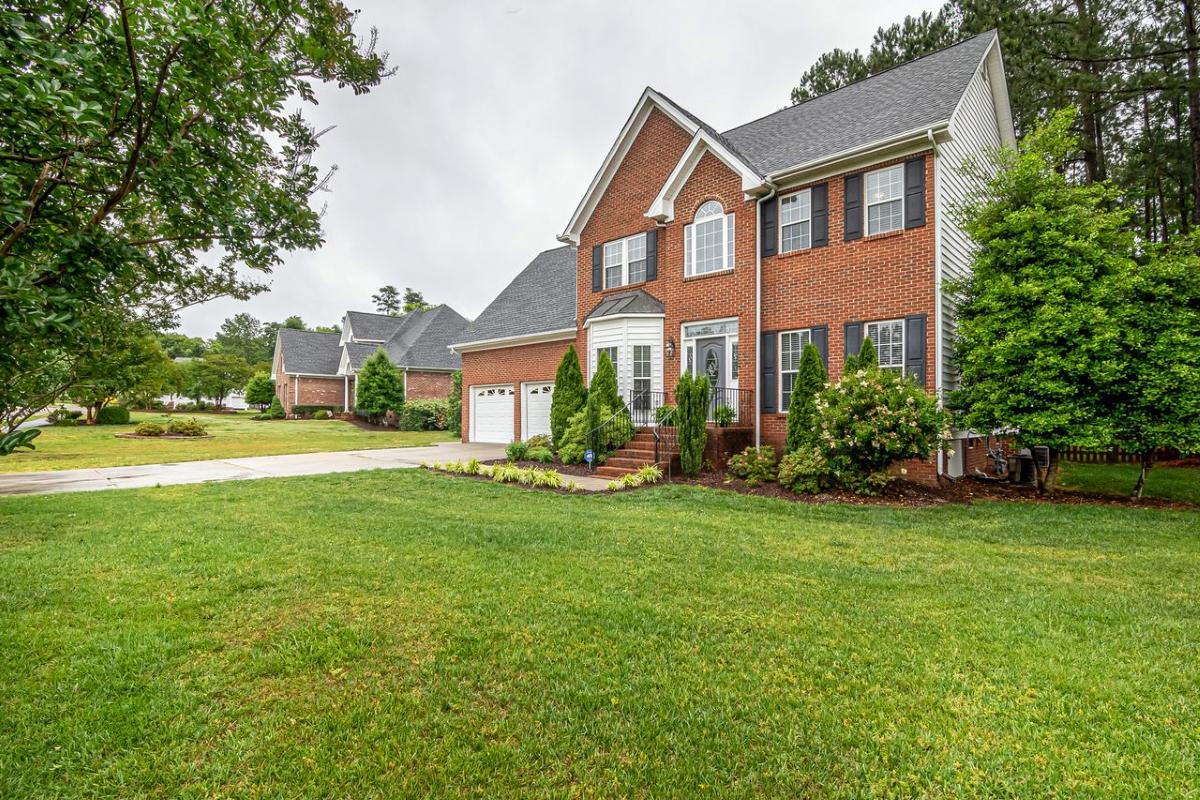
Many people view weed control much as they view mowing the lawn – something you do when it’s starting to look bad. This works okay on a quarter acre in a subdivision. But on anything larger, or with sloped ground, or if you are located anywhere near the wildland interface, unmanaged vegetation becomes a liability problem, a fire problem, and then a legal problem. A long-term written land management plan removes the emotion from the process. It comes up with a dollar figure on what it costs to own that piece of property each year, and in addition to taxes, insurance, and maybe a mortgage, it includes vegetation management.
Treat the Land Like an Asset, Not a Chore
Property owners who manage vegetation well are asset managers, not homeowners with a to-do list. They’re clear on what they own, what it costs to maintain, and how value is lost if maintenance is neglected for two years in a row. Because of that, you ask different questions. Instead of “when should I mow,” you ask “what’s my fuel load doing heading into fire season?” and “what did last year’s abatement actually cost against the fine I would have paid for ignoring it?” Roughly ninety percent of wildfires are human-caused (National Interagency Fire Center), and a big part of those begin on or near private land that wasn’t managed with a real plan. This isn’t a scare stat meant to frighten people into action. It’s simply how a written plan pencils out.
Start With a Baseline Survey
Before you put anything on the calendar, write down what’s on the landscape right now. Stroll the property and record what kinds of plants you have, the slopes, the streams, buildings, fences, and easements. Also take some photos from standing in a couple of the same spots if possible. These pictures provide a visual record of what your monitored area looked like when you started out. These baselines are what you compare future pictures to, and if you don’t have them you’re just guessing at whether things have gotten better or worse.
Make sure to note where your property line is in relation to your neighbors and any shared easements. The responsibility for maintaining land often changes with those edges, and arguing over who was responsible for clearing what can be solved fairly easily if you have documented the fact that the edge of your monitored area is as far as your responsibilities go.
Divide the Property Into Management Zones
Not every inch of ground needs the same amount of work, and by treating your area this way you can waste less effort and money. Most working plans divide the whole property into three areas. The largest is the zone around buildings where you’ve got to try to maintain an ignition-resistant landscape – your defensible space. It needs the most frequent, most aggressive cutting. Then there’s the maintained area. This is the yard, any gardens, the roads or drives, whatever you use and value in convenience terms. There is the untended wildland buffer beyond that. It still needs occasional cutting but not at your maintained frequency.
Get it on paper, even a rough sketch, and you have a visual reference for planning. You’ll see at once where a firebreak would naturally make a gap in fuel loads rather than just a nice sharp edge to the vegetation.
Check Local Requirements Before You Build the Schedule
Plenty of jurisdictions issue annual abatement notices under public-nuisance ordinances aimed at noxious weeds and fire-hazard vegetation. If you wait for that notice to show up before acting, you’re already behind, and forced abatement carried out by a local authority almost always costs more than doing it yourself on your own timeline. Find out what your local rules actually require – height limits, seasonal deadlines, species-specific mandates – and build those dates into your calendar as fixed points, not flexible ones. A plan that ignores compliance deadlines isn’t really a plan, it’s a wish list.
Know Your Plants Before You Cut Anything
Not all vegetation carries the same risk, and treating everything with the same blade or the same schedule usually means over-managing some areas and under-managing others. Invasive annual grasses like cheatgrass cure fast and ignite easily, so they need to come down before peak fire weather, not after. Deep-rooted noxious weeds often laugh off mowing entirely and need extraction or targeted spot treatment to actually die back. Native, drought-tolerant vegetation, on the other hand, is usually worth preserving – it holds soil, needs less water, and doesn’t require the same maintenance frequency as the invasive stuff crowding it out.
Spend an afternoon actually identifying what’s growing on your land, or have someone do it for you. Grouping species by hazard level rather than mowing everything on the same day is one of the cheapest improvements you can make to a maintenance plan.
Build the Calendar Around Growth Cycles, Not Dates on a Wall Calendar
The wildfire season and plant growth cycle can vary each year. Following a fixed schedule for maintenance tasks, such as “mowing every May,” can lead to missing early dry growth or allowing fall regrowth to become next year’s fuel. Instead, use the following guidelines: mow dry grass before it becomes taller, thicker and more difficult to cut; prune and trim during dormancy when plants recover more quickly; and plan a second maintenance pass during fall to remove regrowth before winter precipitation results in a flush of tender new growth in spring.
This is where a lot of DIY plans quietly fail. It’s not that owners skip maintenance entirely – it’s that they do it on a fixed schedule that no longer matches what’s actually growing.
Budget Vegetation Management as a Recurring LINE Item
Once you know when it has to happen, the next question is who does it. On small, flat, easily accessible lots you can probably stay ahead of it yourself if you’ve got a mower and a couple weekends to spare. But if you’re dealing with acreage, steep slopes, or there’s an abatement order in your mailbox every year, the math probably doesn’t work. Add up equipment cost, fuel, blade and line replacement, your own labor hours, and the liability if something goes wrong on a slope with a rented brush cutter, and DIY starts looking a lot less like the cheap option.
This is the decision point where a lot of people go with outside help. Basically, they’re tired of having to piece together solutions that maximize their existing equipment and their personal time. Contracting recurring weed abatement services for high-hazard acres is likely a more effective solution than trying to line somebody up every July. It’s also easier to manage than rolling the dice annually to see if renting a brush cutter has stopped being cost-effective. For rocky or steep terrain where mechanical mowing is dangerous or impractical, targeted grazing is worth considering too – livestock can work ground that a tractor or a person with a trimmer really shouldn’t.
Whatever you choose, put a number on it annually. Compare the cost of professional management against what a forced abatement order or a fine would run, and against the resale value a well-maintained property commands versus one with visible neglect.
Protect the Ground You Just Cleared
Cutting vegetation on a slope without considering what comes after can lead to an erosion crisis. When steep ground is left bare and cleared of roots and plant cover, rainwater runs straight down and washes away soil, potentially destroying the very infrastructure you were trying to protect. Therefore, for every extraction of vegetation on steep ground, there should be an erosion-prevention action to counterbalance it. This may involve spreading the mulch created by chipping the cut vegetation, planting a cover crop, or possibly even applying erosion-control matting, depending on the slope angle and soil.
Making drainage plans before you cut is smarter than trying to figure things out afterward. Surface water used to be intercepted by the vegetation you just cut, and now it has to find a new channel. On steep slopes, a dangerously eroding channel can develop alarmingly quickly. Prevent that by having an effective new-drainage plan when you do the cutting.
Keep a Dated Log With Photos and Receipts
If you ever have to prove your vegetation management – to a county inspector, an insurance adjuster, or a litigious neighbor after a flood or fire – the best defense is a regular, dated record of work performed. Save your ‘before’ photos in a folder, stash your receipts, and add a dated note for what and when. Your ‘after’ photos won’t lie. No judge will care if you honestly forgot to worry that a couple of leaves obscured a couple of fine stems in that cheatgrass clump.
Review the Plan Every Year
A land management plan is not a document that you write once and put in a drawer. Schedule an annual review, and if possible schedule it right after the fire season or at the beginning of the spring season before growth occurs. Walk your property again, compare it to your baseline, and record what has changed. Which species have spread. Which treatment prevailed and which did not. Whether last year’s budget compared to what you actually spent, and whether this year’s schedule should be adjusted sooner or later given the prevailing conditions.
This annual reset is what ensures the plan stays in use, rather than growing long in the tooth. Yearly rainfall varies, year-to-year growth varies, even the dominant invasive species may switch, and a plan that isn’t revisited will quickly stop being the plan for the property it was written for.
A written plan will not stop every fire or every weed complaint, but it will put you on firm ground and make costs predictable rather than reactive. Property that has been managed on purpose retains its value better, generates fewer complaints, and gives you something tangible to point at when someone finally does ask what you’ve been doing about it.
Related: