

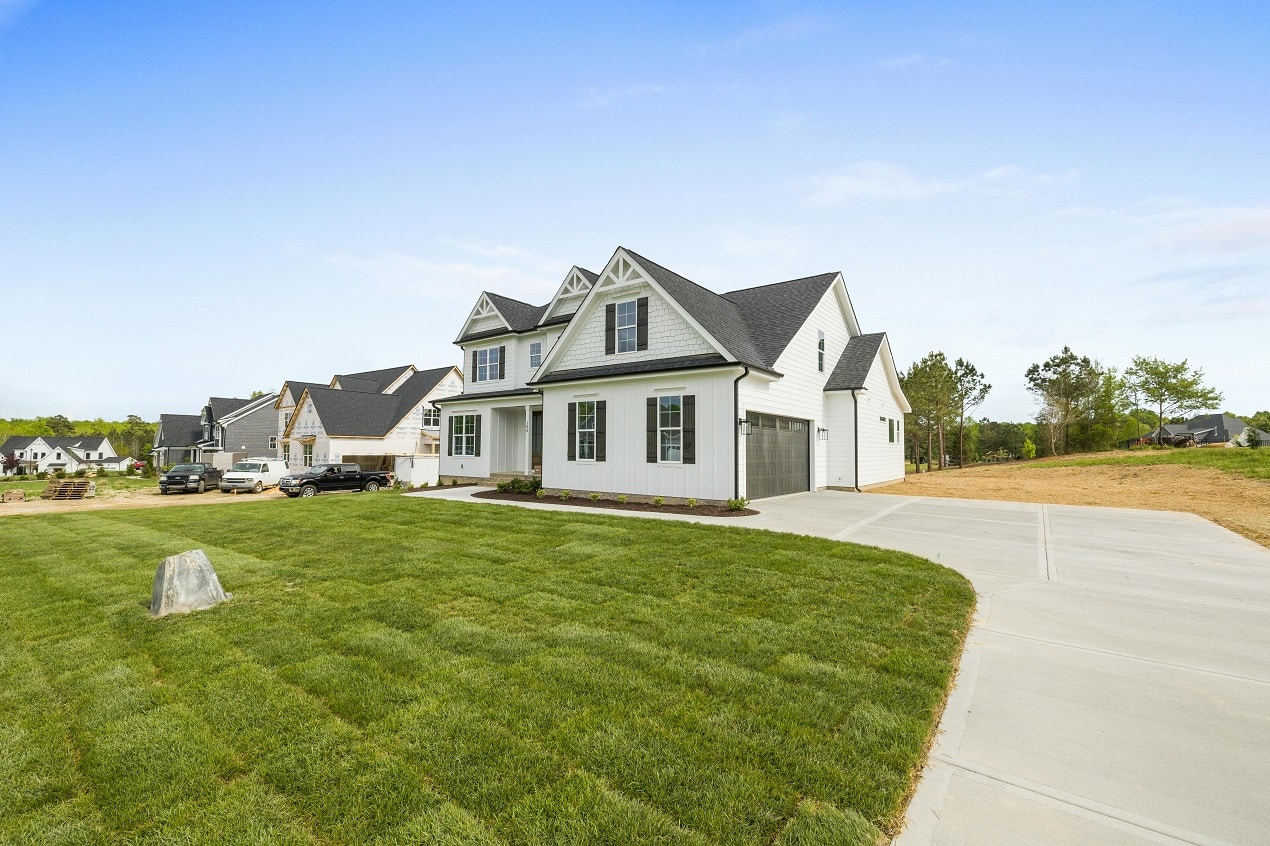
A clean lawn edge can change the look of a whole yard, even when the grass is not perfect. Most people notice the borders of a lawn before they notice small thin spots or uneven color. When grass creeps over a driveway, sidewalk, or garden bed, the property can look untidy right after mowing.
Lawn edging works because it creates order. The grass looks framed, the hard surfaces look cleaner, and garden beds look more planned. A sharp edge does not hide every lawn problem, but it makes the outdoor space look cared for. This is why homes with clean lines along driveways, paths, patios, and flower beds often look more finished than yards with taller or thicker grass but messy borders.
How Do Clean Edges Make Driveways Look Sharper?
Driveway edges take a lot of visual space in a front yard. When grass grows over the concrete, the driveway can look narrower and older than it really is. Soil can also build up along the sides, which makes the border look rough. A clean edge exposes the full driveway line and gives the front of the property a neater shape.
The best driveway edge usually has a straight, vertical cut. It should separate the turf from the concrete without creating a deep trench. A narrow line looks clean, while a wide groove can collect weeds, water, and loose soil. This small detail matters because the driveway often leads the eye toward the house, garage, or front entrance.
Many homeowners miss the cleanup after edging. Loose dirt on the driveway can make a fresh edge look unfinished. Sweeping the surface, removing grass strips, and trimming stray blades makes the edge stand out. The result looks cleaner because the concrete and grass no longer blend into one messy border.
Defined Sidewalk Lines Improve the Front Yard
Sidewalks and walkways guide people through the property, so their edges should look clear. When grass spills over a sidewalk, the path can seem cramped and poorly maintained. A defined edge opens the walkway visually and makes the route to the door feel cleaner.
A sidewalk edge should follow the concrete closely. Wavy cuts can make the lawn look uneven, even if the grass is healthy. Straight lines matter most near the street, front steps, porch, and entry path because these areas shape the first impression of the home.
Clean sidewalk edging also helps with regular lawn care. When the border is visible, mowing and trimming become easier. The mower has a clear line to follow, and the trimmer only needs light touch-ups. For larger properties or homes with several walkways, a lawn care company can help keep these edges consistent during regular maintenance visits.
Garden Bed Edges Make Plants Look More Intentional
Garden beds lose their shape when grass grows into mulch or soil. Even healthy flowers and shrubs can look messy when the border around them is unclear. A clean garden bed edge separates the lawn from the planting area and gives the bed a stronger outline.
Curved beds need smooth, natural lines. Sharp bends and uneven curves can make the yard harder to mow and less pleasing to look at. A good bed edge should match the shape of the house, the path, or the planting layout. This makes the bed look like part of the design instead of a random patch of mulch.
Mulch also looks better when the edge is clean. If mulch spills into the lawn, the border loses its shape. If grass grows into the mulch, the bed looks neglected. A clear edge keeps both materials in their own space, which makes flowers, shrubs, and small trees stand out more.
The Right Tools Create Cleaner Lawn Borders
Different lawn edges need different tools. A powered lawn edger works well along driveways, sidewalks, and curbs because it can create a steady vertical cut. A half-moon edger or sharp spade gives better control around garden beds, tree rings, and curved borders. A string trimmer works best for light touch-ups, especially near fences, posts, and patio edges.
Tool control matters more than tool size. A powerful edger can still leave a poor result if the line wanders or cuts too deep. A simple hand tool can create a clean border when used with care. The cleanest results come from steady movement, the right angle, and a clear view of the edge.
Small Details Create the Finished Look
The finished look comes from details many homeowners overlook. A lawn edge is not complete when the cut is made. It needs loose turf removed, soil brushed away, concrete swept, mulch pulled back into place, and stray grass trimmed. These small steps make the difference between a quick yard chore and a polished result.
Soil condition also affects the final appearance. Wet soil can smear across concrete and collapse into the edge. Very dry soil can break apart and leave a jagged line. Slightly firm, workable ground usually creates the cleanest edge.
A clean edge should also look consistent from normal viewing spots. The view from the street, driveway, front door, or patio shows whether the line feels straight, smooth, and balanced. A border that looks fine up close may look uneven from a few steps back.
Conclusion
Lawn edges do not stay clean forever. Grass keeps growing, especially during warm and rainy seasons. Driveways, sidewalks, and garden beds usually need light maintenance every few weeks to keep the lines visible. When homeowners wait too long, grass can cover concrete, roots can spread into beds, and the next cleanup becomes harder.
The best-looking yards depend on attention to small edge details. Clean lines around driveways, sidewalks, and garden beds frame the lawn and make the property look organized. Even when the grass has normal flaws, a defined edge gives the whole yard a cleaner, more finished appearance.