

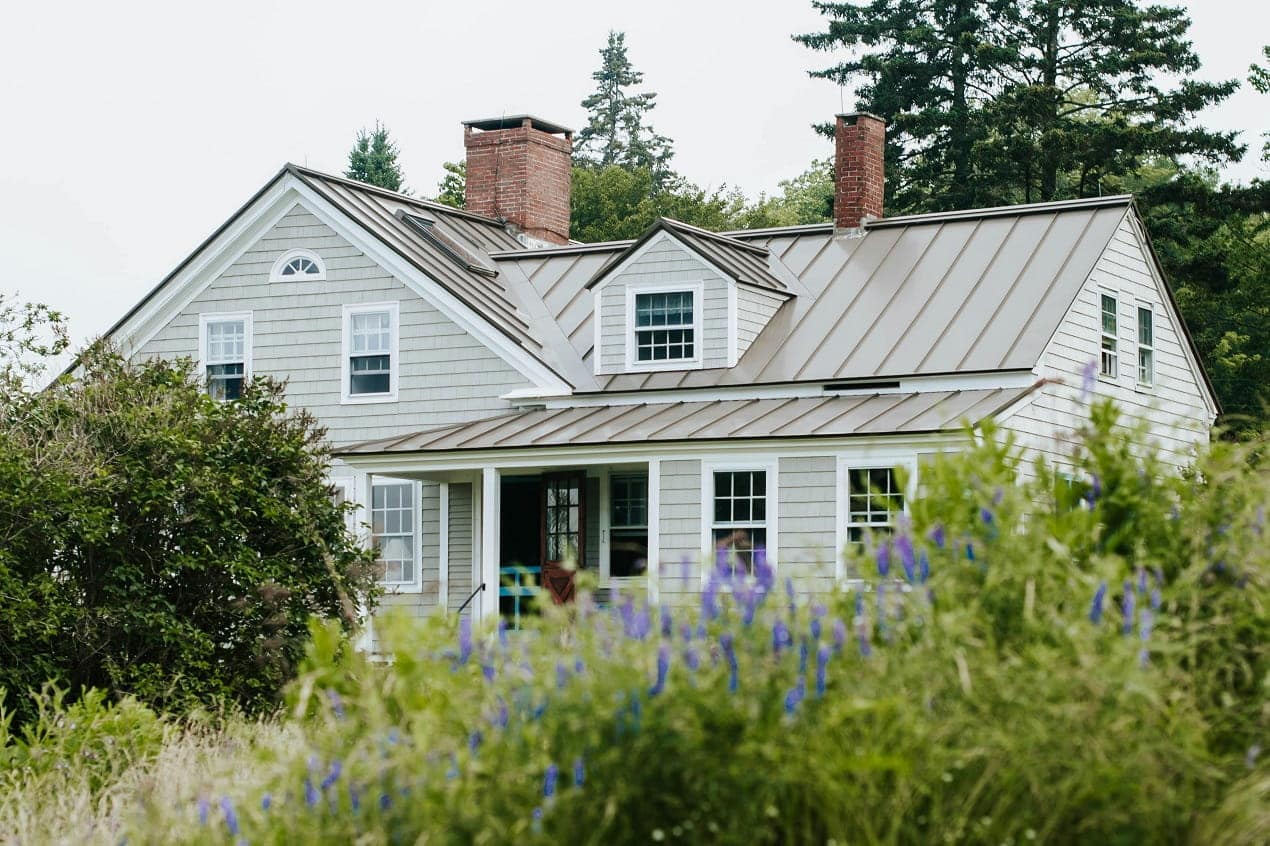
Richmond has long mixed the old and the new in compelling ways. Federal and Victorian residences stand near historic districts like Church Hill and the Fan District, showing deep roots in classic American design.
Richmond neighborhoods include Colonial Revival, Queen Anne, and Italianate styles that give a sense of local identity. The city’s varied backdrop means a new residence here can show both history and personal taste simultaneously. Below, we explain how to build your home to fit your lifestyle and Richmond’s environment.
Know Local Soil and Site Costs
Richmond land varies from flat historic lots to sloped, wooded parcels. Many lots around areas like Westover Hills or Wyndham require tree removal and extra grading before construction starts.
These site preparation tasks can add thousands to your budget before the foundation is poured. Clay-heavy soil common in areas like Short Pump and Midlothian may mean deeper footings or pier systems to help with shifting ground and moisture changes. Ask for detailed soil tests before committing to a layout so you can plan for these costs.
Understand Permits and Zoning Rules
Richmond’s zoning and permit process affects your home’s placement, height, and design. The city is updating its zoning code to better match surrounding blocks. So, this could change how close a building can sit to the street or what additional units are allowed on a site.
Residential construction typically needs separate building, plumbing, electrical, and HVAC permits, each reviewed by inspectors. Some parts of Richmond require additional reviews from planning or preservation agencies. Keep these aspects in mind when building your home in Richmond.
Pick a Local Home Builder
Work with a local pro who can explain common challenges in this market and show recent work nearby. A custom home builder Richmond VA will know local permit timelines, typical soil conditions, and nearby neighborhoods that had similar builds.
Ask for references from recent clients and visit finished residences if possible. Avoid builders who can’t show local work or rely on distant subcontractors, as this often leads to scheduling issues and last-minute fixes.
Define Functional Zones
Avoid layouts that feel chopped up. Open plans with deliberate zones for cooking and lounging work well in the area, as they give a visual flow without losing usable space for daily life. Think about your future needs too, such as functional backyard elements or guest suites separated from noise. Discuss these needs with your builder so that they can include amenities that fit your lifestyle.
Expand Outside for Year-Round Use
Richmond’s climate supports long spring and fall seasons, you can add patios with overhead covers and outdoor kitchens that extend your living space. Decks oriented toward shade in summer and sun in winter make outdoor living comfortable. These spaces also increase usable square footage and help your residence feel complete.
Endnote
A signature guest residence in Richmond grows from careful research, site planning, disciplined budgeting, and collaboration with local professionals. Homeowners who ask detailed questions early in the process can avoid costly changes or dissatisfaction later. Keep these tips in mind when you’re building your dream home.