

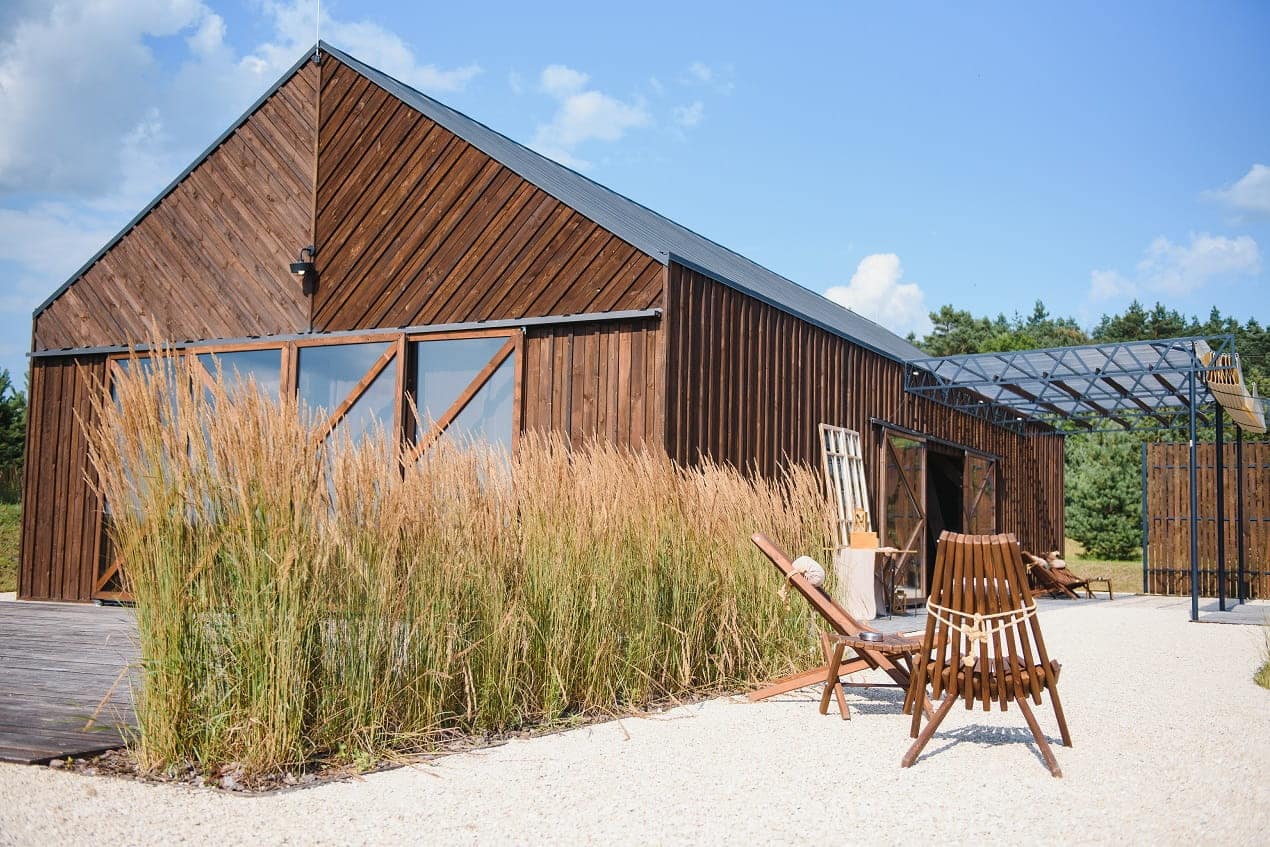
Across Indiana, a quiet shift is underway in how people think about home. Traditional farm structures are being reimagined into highly livable, design-forward residences known as barndominiums. Once purely functional, these buildings are now intentional living spaces shaped by lifestyle, efficiency, and long-term thinking.
A barndominium is not just a housing trend. It reflects a broader desire for space that works harder, costs less to maintain, and adapts to real life. For many Indiana homeowners, it represents a practical response to rising construction costs and a philosophical move toward living well without excess.
This article explores what barndominiums are, why they thrive in Indiana, how they are built, and what they say about modern living.
What Is a Barndominium?
At its core, a barndominium is a residential structure that combines elements of a barn and a condominium. The term initially described metal agricultural buildings converted into living spaces. Today, it covers a wide range of custom-built homes designed from the ground up to look like barns while functioning like modern houses.
The appeal lies in their simplicity. Large open interiors. Fewer load-bearing walls. Clean structural logic. These features allow homeowners to design interiors that fit their lives rather than forcing life into a rigid floor plan.
Barndominiums work particularly well in states with strong agricultural roots. Indiana’s landscape, zoning patterns, and construction culture make it an ideal environment for this type of home.
Why Barndominiums Are Taking Off in Indiana
Indiana offers what many homeowners elsewhere struggle to find. Land is available. Zoning is often more flexible outside urban centers. Construction trades are familiar with post-frame and steel building methods.
Cost plays a role, but lifestyle is the bigger driver. Barndominiums provide room to breathe. They allow for workshops, home offices, studios, and storage without the need for multiple structures. For families, they offer adaptability. For remote workers, they offer separation between work and living spaces without leaving the property.
There is also a cultural fit. Indiana values practicality. Barndominiums reflect that mindset. They prioritize durability, function, and long-term use over ornamentation.
Construction: How Indiana Barndominiums Are Built
Construction is where barndominiums really begin to set themselves apart from traditional homes, especially when it comes to barndominiums in Indiana, where climate, zoning, and building methods all play a role. Many designs rely on steel-frame or post-frame systems rather than conventional stick framing. Steel provides durability and faster build times, while wood post-frame construction offers flexibility and better cost control.
Site preparation is just as important. Soil conditions, drainage, and site access can significantly influence the project. Because zoning and permitting requirements vary by county, early coordination with local authorities is essential to avoid delays.
One major advantage is the construction timeline, which is often shorter than that of a traditional home. Once the shell is in place, interior work can move quickly. Energy efficiency comes from proper insulation, high-performance windows, and modern HVAC systems. These details matter greatly given Indiana’s seasonal climate.
Homeowners can choose to work with specialized barndominium builders or take a hybrid approach that blends professional contractors with DIY work. Each option has trade-offs, but with careful planning, the process can be both efficient and cost-effective.
Design That Serves Real Life
The interior of a barndominium is where its real value shows. Open-concept layouts dominate, not as a trend but as a response to structural efficiency. With fewer interior walls required, space becomes fluid and adaptable.
Rustic elements, such as exposed beams or polished concrete floors, often coexist with modern kitchens, high ceilings, and large windows. The goal is balance. Warmth without clutter. Modern comfort without feeling sterile.
Customization is central to the design process. Some homeowners prioritize family gathering spaces. Others focus on creative studios or home-based businesses. The structure allows for both.
Connection to the outdoors is another defining feature. Large doors, covered porches, and expansive windows make the surrounding land part of daily life.
Cost, Value, and Long-Term Investment
Barndominiums are often more affordable to build per square foot than traditional homes, but costs vary widely. Design complexity, finishes, site conditions, and utility access all affect the final number.
Maintenance tends to be lower. Metal exteriors resist weather and pests. Simple rooflines reduce long-term repair costs.
Resale value depends on location and execution. Well-designed barndominiums in desirable areas hold value well, especially as awareness grows. More importantly, they deliver value through usability and longevity.
For many owners, the return is measured less in resale and more in quality of life.
The Art of Living Well in a Barndominium
Living well is not about having more space. It is about using space better. Barndominiums encourage this mindset by removing unnecessary barriers and focusing on how rooms function together.
The design supports intentional living. Fewer unused rooms. More shared spaces. Clear divisions between work and rest when needed.
Personalization is not an afterthought. It is built into the structure itself. This creates homes that feel grounded and specific rather than generic.
There is also a psychological shift. Living in a space designed around purpose often leads to simpler routines and more thoughtful use of time.
Is a Barndominium Right for You?
Barndominiums suit people who value flexibility and long-term thinking. They work well for families, entrepreneurs, creatives, and anyone seeking a closer connection to their land.
Before building, it is essential to consider location, financing options, and local regulations. Not all lenders treat barndominiums the same way as traditional homes.
Romantic appeal should be balanced with practical planning. When done right, the result is a home that adapts rather than constrains.
Conclusion: Reimagining Home in Indiana
Barndominiums represent a shift in how homes are conceived. In Indiana, they align naturally with the land, the climate, and the values of the people who build them.
They are not about nostalgia. They are about clarity. Clear structure. Clear purpose. Clear living.
As housing needs continue to evolve, barndominiums offer a grounded, forward-looking alternative. One that turns open fields into thoughtful floor plans and makes living well a daily practice rather than an abstract goal.