

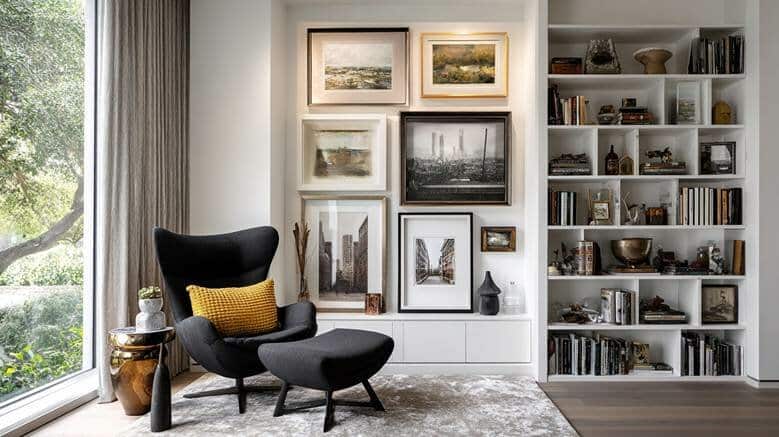
A home that feels cozy and stylish rarely comes from following trends too closely. It usually comes from balance. Comfort and visual clarity working together. When those two things align, a space feels calm, personal, and easy to live in. That’s really the goal. Not a perfect room, just one that feels right when you walk into it at the end of the day.
Creating an aesthetic house interior isn’t about copying a look or filling a room with things that photograph well. It’s about paying attention to how color, texture, light, and furniture actually behave together over time. Some rooms feel inviting right away. Others take a few small adjustments before they settle. That’s normal. Homes are meant to evolve, not arrive finished.
With thoughtful choices around color, furniture, texture, lighting, and organization, even simple interiors can feel intentional and lived in. Cozy doesn’t mean cluttered. Stylish doesn’t mean uncomfortable. The best spaces usually land somewhere in between.
Start With a Thoughtful Color Palette
Color shapes how a space feels long before furniture enters the room. Soft neutrals like beige, cream, warm gray, and off-white create a relaxed foundation that feels approachable rather than stark. These tones make it easier to layer in muted accents like sage green, dusty blue, or soft terracotta without overwhelming the space.
A useful guideline is limiting your palette to three or four related colors. Too many competing tones can make a room feel unsettled. When colors repeat quietly throughout the home, rooms feel connected and visually calm, even if the layouts are different.
Focus on Comfortable and Functional Furniture
Cozy interiors start with furniture that supports how you actually live. Pieces with clean lines and softened edges strike a balance between modern style and everyday comfort. Upholstered sofas, supportive chairs, and tables scaled appropriately for the room help a space feel welcoming instead of stiff.
One common mistake is filling a room too quickly. Leaving breathing room between pieces allows the space to settle a bit. Before adding something new, it helps to ask whether it improves comfort, function, or flow. If it doesn’t really do any of those things, it probably isn’t necessary.
Layer Textures for Warmth and Depth
Texture keeps an interior from feeling flat. Even the most neutral palette benefits from material contrast. Soft fabrics like cotton, linen, and wool pair naturally with wood, stone, and woven materials.
Rugs, throw blankets, and cushions are some of the easiest ways to add warmth without committing to major changes. Smaller details matter too. A ceramic vase with a matte finish or a woven basket tucked under a console adds depth in a quiet way. Nothing dramatic, just enough to keep the room from feeling sterile.
Use Lighting to Shape the Atmosphere
Lighting has an outsized effect on how cozy a room feels. Relying only on overhead lighting often creates a flat or harsh atmosphere. Layered lighting works better. Table lamps, floor lamps, and wall sconces allow you to adjust the mood throughout the day.
Warm light temperatures tend to feel more inviting, especially in the evening. Natural light matters just as much. Keeping windows uncluttered and using light-filtering curtains allows daylight to soften a space without making it feel exposed. Design publications like Architectural Digest often highlight how thoughtful lighting choices contribute to interiors that feel both comfortable and refined.
Add Personal and Meaningful Decor
An aesthetic interior should feel personal, not staged. Decor that reflects your interests and experiences gives a home warmth and authenticity. Artwork you genuinely enjoy, books you actually return to, or objects collected over time add character in a way decorative filler never can.
The key is intention. A few meaningful pieces have more impact than shelves crowded with decor. When items carry some sense of purpose, the space naturally feels more cohesive. And calmer, too.
Keep the Space Organized and Calm
Clutter can undo even the most thoughtful design. A cozy home feels easy to move through, not visually demanding. Storage solutions like baskets, shelving, and hidden organizers help keep everyday items accessible without being on display.
It’s also worth revisiting what you own from time to time. Editing down to what you use and enjoy keeps the space visually balanced and easier to live with. Homes don’t need more stuff, they need better decisions.
Common Mistakes That Disrupt a Cozy Aesthetic
One of the most common missteps is trying to do too much at once. Mixing too many styles, colors, or textures can make a room feel unsettled. Another issue is prioritizing appearance over comfort, choosing furniture that looks good but isn’t pleasant to use.
Overdecorating is another trap. Cozy does not mean crowded. Leaving some surfaces clear gives the eye a place to rest and allows key pieces to stand out. Sometimes the best edit is removing something.
How Cozy Aesthetics Translate Room by Room
Living rooms benefit most from layered textures and flexible lighting. Bedrooms tend to feel cozier when lighting and fabrics are prioritized over decorative furniture. In workspaces, comfort should support focus rather than distraction, with clean surfaces and seating that encourages good posture.
Different rooms ask for different things. Paying attention to that usually matters more than sticking to one rigid style idea.
Blend Style With Comfort
The real success of an aesthetic interior isn’t how it photographs, but how it feels to live in. Style matters, but comfort matters more. Soft seating, breathable fabrics, and layouts that allow easy movement make a home feel inviting rather than performative.
When a space looks good and feels good at the same time, it becomes somewhere you naturally want to spend time. No convincing required.
Final Thoughts
Creating an aesthetic interior that feels cozy and stylish doesn’t require a full redesign or expensive upgrades. Small, thoughtful changes often have the biggest impact. Start with one room. Adjust what doesn’t feel right. Let the space evolve over time. Homes that reflect how people actually live tend to feel warmer, calmer, and more authentic.