

When planning a lower-level renovation in a dense urban market, the temptation to dive straight into luxury vinyl plank flooring and designer lighting is strong. However, if you are eyeing high-value returns like ADUs and Condo Conversions, the most critical work happens before a single sheet of drywall is hung.
As a homeowner, your priority should always be structural integrity and vertical clearance. This guide explains why starting from the “ground down” via basement lowering and underpinning is the only way to ensure your project is a legal, profitable, and livable success.
Executive Summary
Modern basement remodeling has shifted from simple storage upgrades to complex residential developments. For projects involving basement apartments or condo conversions, building codes require a minimum ceiling height (typically 7 feet) that many older foundations lack. Prioritizing “dig-outs” and structural height during the initial phase ensures code compliance, unlocks maximum property value, and prevents the “claustrophobic” feel that often devalues below-grade spaces. By investing in the foundation first, you create a viable “blank canvas” for a legal secondary suite or a premium multi-unit conversion. Before you begin, it is vital to understand the financial scope; you can calculate your potential investment using online tools to ensure your budget aligns with your structural goals.
The Structural “Why”: Height is the Foundation of Value
In the world of real estate, height translates directly to “habitable square footage.” If your basement ceiling sits at 6’4”, it is legally categorized as a storage room-no matter how expensive your finishes are. To transform this into one of the premium basement apartments that buyers and renters crave, you must address the vertical gap from the onset.
1. Navigating Building Codes for ADUs and Condo Conversions
To qualify for a Certificate of Occupancy for ADUs and Condo Conversions, your space must meet the International Residential Code (IRC) standards. In major metropolitan areas, these requirements are non-negotiable and usually include:
- Minimum Ceiling Height: A clear 7-foot height for living areas and 6’8″ for bathrooms.
- Egress Requirements: Large, code-compliant windows or areaways for emergency exits.
- Fire Separation: Specific structural barriers and sprinkler systems between units.
- Utility Independent: Separate meters or shut-offs for multi-family conversions.
If you skip the “dig-out” and try to work around low ceilings, you risk being red-tagged by the city, rendering your investment legally unrentable and unsellable as a separate unit.
2. Why “Dig-Outs” Beat Cosmetic Cover-Ups
Many homeowners try to gain height by removing drop ceilings or rerouting ductwork. While this helps, it rarely provides the 8-to-12 inches often needed for a truly modern feel. A professional basement lowering project involves more than just a shovel; it is a sophisticated engineering feat. The process includes:
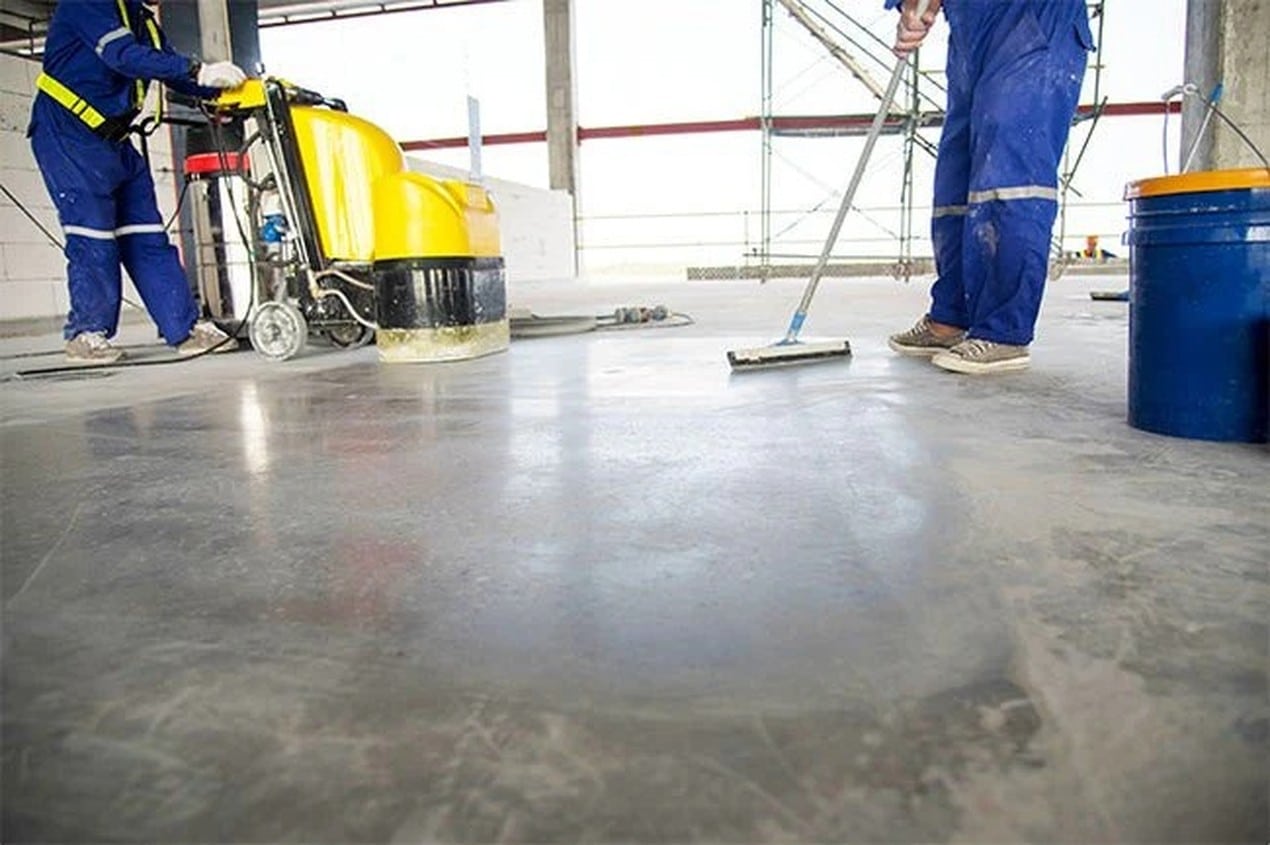
- Precision Excavation: Removing the old concrete slab and thousands of pounds of soil.
- Underpinning: Extending the footings deeper into the ground to ensure the house remains stable while you go lower.
- Waterproofing Infrastructure: Installing modern vapor barriers, sump pumps, and interior drainage before the new slab is poured.
Prioritizing Your Renovation Budget
If your budget is finite, spend it on the “bones.” You can always upgrade a bathroom vanity or change paint colors in five years, but you can never easily lower a floor once the walls are finished and the plumbing is set.
- Phase 1 (The Essential): Structural height, underpinning, and comprehensive waterproofing.
- Phase 2 (The Functional): Plumbing rough-ins for kitchens and baths, electrical panels, and egress windows.
- Phase 3 (The Cosmetic): Drywall, flooring, cabinetry, and lighting.
By prioritizing the foundation, you ensure that your basement apartments don’t just look good on camera-they feel like natural, airy extensions of the home. Because these structural changes are significant, using a basement cost calculator early in the planning phase can help you allocate funds correctly between “invisible” structural work and “visible” finishes.
Frequently Asked Questions (FAQs)
What is the difference between slab lowering and underpinning?
Slab lowering involves removing the floor and digging out soil if your current footings are already deep enough. Underpinning is more intensive; it involves digging beneath the existing foundation in sections and pouring new concrete “legs” to support the house at a deeper level.
Can I legally rent a basement with 6’6” ceilings?
Generally, no. Most modern jurisdictions require 7 feet for “habitable” rooms. To create legal basement apartments for income, you must meet these height requirements to obtain a rental license and proper insurance coverage.
How much value does a basement dig-out add to a condo conversion?
A code-compliant, high-ceiling basement can increase property value by 20% to 30%. In competitive urban markets, a legal condo conversion that includes a high-end lower level often fetches a significant premium over “finished” basements with low clearance.
Is it safe to dig out a basement in an older rowhouse?
Yes, provided it is done by structural specialists. Professional underpinning actually strengthens the foundation of older homes, addressing a century of settling and providing a more stable base than the original construction.
Conclusion: Invest Deeply to Build Up
Don’t let the allure of aesthetic finishes distract you from the structural realities of your home. If your goal is to create high-performing ADUs and Condo Conversions, the most valuable square footage you can “buy” is the dirt beneath your feet. Start from the ground down, and you’ll build a space that stands the test of time-and the scrutiny of building inspectors.