


Key Takeaways
- Understand various types of water heaters and how they operate.
- Accurately estimate your household’s hot water demand before purchase.
- Prioritize energy-efficient models to help lower utility bills.
- Factor in fuel options available in your area for practicality and cost-effectiveness.
- Account for installation requirements and possible retrofit expenses.
Selecting the ideal water heater has a direct impact on home comfort, energy bills, and long-term savings. With evolving technologies and ever-changing fuel costs, homeowners have more options than ever for water heating. Whether you’re replacing an old system or outfitting a new house, understanding the basics is essential. Experts recommend starting your search by identifying your household needs and researching available systems. For those considering an upgrade, installing a new water heater can significantly enhance both efficiency and convenience.
Taking the time to compare the various models and their features also ensures that you avoid unnecessary expenses and maximize performance. Many homeowners mistakenly purchase undersized or overpowered units, resulting in poor user experience or wasted energy. Knowing what size and type best suits your household is key to a successful installation and years of reliable hot water. In addition to energy savings, the right choice can help reduce maintenance issues and reduce your property’s environmental impact over time.
Types of Water Heaters
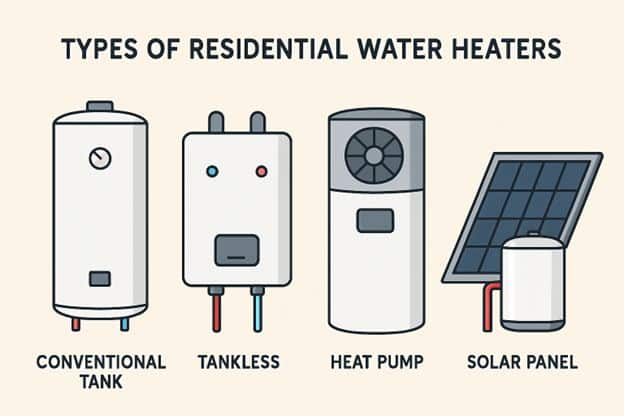
The market offers a range of water heater options suited to different usage patterns, fuel sources, and space requirements:
- Conventional Storage Water Heaters:Most common in American homes, these units store a reservoir of hot water ready for immediate use. While convenient, standby heat loss can decrease energy efficiency, making them less suitable for sporadic hot water usage.
- Tankless (On-Demand) Water Heaters:Delivering hot water instantaneously as needed, tankless systems save energy by eliminating standby losses. They are compact but may require updated gas lines or electrical circuits. Learn more about tankless water heaters.
- Heat Pump Water Heaters:These leverage electricity to transfer heat rather than generate it directly, making them especially efficient in moderate climates. The need for adequate installation space and airflow should be considered before purchase.
- Solar Water Heaters:Utilizing rooftop panels, solar heaters harness sunlight to supply hot water. While upfront installation costs can be substantial, energy use in sunny regions is minimal, and tax incentives may be available.
- Tankless Coil and Indirect Water Heaters:These connect to a home’s existing space heating system, delivering efficiency gains during the heating season. Their performance may decrease in warmer months when the central heating system is off.
Assessing Your Household’s Hot Water Needs
Proper sizing ensures your water heater meets daily demands without frequent shortages or wasted capacity. For storage models, focus on the First Hour Rating (FHR), signifying how much hot water the unit can deliver in one hour. Tankless models require attention to the gallons per minute (GPM) output—sufficient for simultaneous showers, laundry, and dishwashing. According to the U.S. Department of Energy, a typical family of four needs a water heater with an FHR of 65-75 gallons, or a tankless system with a minimum flow rate of 5-7 GPM. Larger families or homes with oversized tubs may require higher capacity.
Consider all regular activities that require hot water—such as multiple bathrooms, frequent laundry loads, and kitchen use.
Energy Efficiency Considerations
Energy consumption is a vital consideration, affecting both your monthly bills and the home’s environmental impact. Examine the Uniform Energy Factor (UEF) when comparing models—a higher UEF indicates better efficiency and lower operational costs over time. Prioritizing efficient models not only lowers energy consumption but may also qualify you for utility rebates and tax credits, further reducing upfront costs.
Fuel Types and Availability
The fuel source you select substantially influences lifetime cost and efficiency. The most common options include electricity—versatile but sometimes pricier to operate—natural gas, which can offer cost savings if you have a gas line, and propane, a solution for homes off the gas grid. Solar-powered systems are eco-friendly but climate-dependent, while hybrid or heat pump systems draw on readily available electricity for near-renewable efficiency.
Evaluate the costs and logistical requirements of each option, balancing upfront installation with expected fuel price trends and availability in your region. Consulting a local professional can help pinpoint the best match for your area’s infrastructure.
Installation Requirements and Costs
Budgeting for a new water heater involves more than just the cost of the equipment. Some models, like heat pumps, require substantial clearance for airflow and drainage, while tankless units may call for upgraded electrical capacity or gas lines. Major modifications can increase total installation costs, so it’s crucial to assess these factors early in the process. Always work with a licensed installer to ensure code compliance and safe operation—especially with gas or electric units. Evaluating all labor, materials, retrofits, and permits will help you set realistic financial expectations.
Maintenance and Lifespan
Lifespan varies by water heater type: storage tanks typically last 8-12 years, while tankless models often exceed 20 years with proper care. Regular maintenance, such as annual tank flushing and periodic anode rod checks, extends the service life and reduces the risk of costly breakdowns. Checking your warranty and setting annual reminders for essential servicing are simple ways to invest in your heater’s long-term reliability.
Environmental Impact
With increasing attention on eco-friendly home systems, choosing a low-impact water heater matters more than ever. Solar and heat pump technologies use renewable energy sources, thereby minimizing greenhouse gas emissions. Opting for an energy-efficient traditional unit or a tankless system also reduces a home’s carbon footprint, even in areas where renewable energy isn’t practical. Reviewing a model’s environmental ratings and certifications can help further align your selection with sustainable goals.
Conclusion
Choosing a water heater is an important decision that affects daily comfort, monthly expenses, and environmental impact. By understanding your options, accurately sizing your purchase, and considering factors such as fuel type, efficiency, installation logistics, and long-term maintenance, you can be confident in your investment. Taking a proactive approach ensures you enjoy reliable hot water and cost savings for years to come.