

Do you feel tired, sore, or stressed after long days? Many people try cold therapy to help with pain and boost their mood. This post will explain why cold therapy is becoming a wellness essential and how it can ease your daily struggles.
Stay with us as we share the simple facts about this cool trend.
Types of Cold Therapy
People use many ways to practice cold therapy. Each method offers its own wellness benefits and experiences.
Cold Showers
Cold showers offer fast cold exposure at home. The water temperature usually ranges from 50 to 60 degrees Fahrenheit. Cold showers help reduce muscle soreness and support faster muscle recovery after workouts or sports.
Taking a cold shower can increase alertness, boost mood, and release endorphins for stress relief.
Many athletes use this method for pain relief and inflammation reduction. Research shows that even short bursts of cold can trigger benefits for wellness and mental health.
A brief cold shower activates your body’s natural healing powers, leaving you refreshed, says Dr. John Kelly, a wellness expert. Incorporating a cold plunge filter in your routine can enhance the overall benefits of cold therapy by providing a more controlled and effective cold exposure.
Cold exposure like this often improves sleep quality by lowering body temperature before bed. It also supports immune function with regular use as part of a daily routine.
Cold Water Immersion and Ice Baths
Cold water immersion and ice baths are popular forms of cold therapy. Many athletes use them for muscle recovery. Just sitting in icy water can reduce inflammation and soreness. It helps muscles heal faster after a workout.
These methods also boost mood by releasing endorphins, the body’s feel-good chemicals. People often report feeling more relaxed and less stressed after these sessions. Cold exposure can improve mental health over time too.
Next, we will explore cryotherapy chambers and their benefits.
Cryotherapy Chambers
Moving from cold water immersion and ice baths, cryotherapy chambers are another popular choice in cold therapy. These chambers expose your body to very low temperatures for a short time.
Typically, the session lasts about three minutes. People step into these chambers to reduce inflammation and muscle soreness.
Cryotherapy helps enhance mood by releasing endorphins. It may also boost your immune system, helping you fight off illness. Many users report feeling more relaxed after treatment.
This method is quick and can fit easily into any wellness routine. Enjoying the benefits of cryotherapy is becoming essential for many who seek health improvements.
Cold Water Swimming
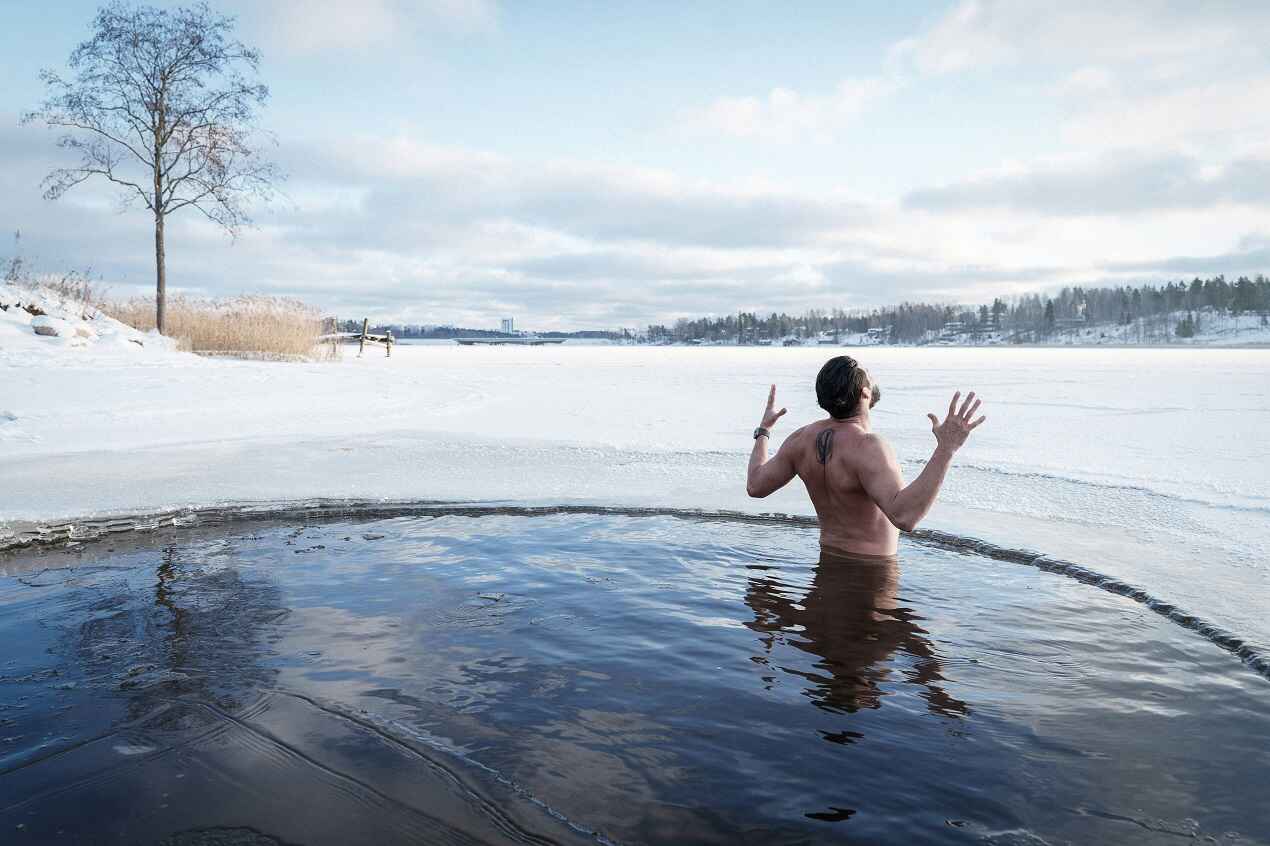
Cold water swimming is a popular form of cold therapy. It involves swimming in natural bodies of cold water. This practice can help with inflammation reduction and muscle recovery.
Cold water activates the body’s response to stress. Swimmers often experience an endorphin release which improves mood and provides pain relief.
In addition to physical benefits, this activity boosts mental health. Being in cold water can reduce feelings of anxiety and improve relaxation. Many people find joy and stress relief through this method.
Cold water swimming is easy to access for those near lakes or oceans. The next section will discuss key benefits of cold therapy.
Key Benefits of Cold Therapy
Cold therapy offers many benefits for your body and mind. It helps reduce inflammation and muscle soreness. People also find that it lifts their mood and boosts mental health. Cold exposure can strengthen the immune system too. Many report improved sleep quality after using cold therapy methods. Want to learn more about how cold therapy can help you?
Reduces Inflammation and Muscle Soreness
Cold therapy helps cut down inflammation and muscle soreness. Research shows that exposure to cold can reduce swelling after injuries or intense workouts. Ice baths and cryotherapy help this process by lowering the body’s temperature quickly.
This drop in temperature slows blood flow, which reduces inflammation.
After a tough workout, muscles often feel sore. Cold therapy speeds up recovery time. It allows athletes to get back to their routines faster and with less pain. Feeling good also comes from endorphin release during cold exposure, which boosts mood and aids in stress relief too.
Enhances Mental Well-being and Mood
Cold therapy can enhance mental well-being and mood. Exposure to cold can trigger the release of endorphins, which are chemicals in the brain that make you feel good. This boost can help reduce feelings of stress and anxiety.
Many people report feeling more relaxed after using methods like ice baths or cryotherapy. Cold water swimming also brings a sense of calm and happiness. Regular use of these therapies may lead to improved overall mental health as well.
Boosts Immune Function
Cold therapy can also help your immune system. It may increase the number of white blood cells in your body. White blood cells fight infections and keep you healthy. Cold exposure helps reduce inflammation, which can weaken immunity.
Research shows that regular cold therapy can be a powerful tool for boosting health. More white blood cells mean better protection against viruses and diseases. This makes cold therapy an important part of wellness routines for many people looking to stay fit and strong.
Improves Sleep Quality
Cold therapy can boost sleep quality. It helps the body relax after a long day. Immersing in cold water or taking ice baths reduces inflammation and muscle soreness, easing physical tension.
A good night’s sleep is crucial for recovery and overall health.
People also feel better mentally after cold exposure. This leads to lower stress levels and improved mood, which helps with restful sleep. Using cold therapy as part of your routine may help you wake up feeling refreshed and ready for the day ahead.
Now, we will examine the risks and considerations of cold therapy.
Risks and Considerations of Cold Therapy
Cold therapy can have risks. It may cause hypothermia or affect your heart rate. Some people might also struggle with breathing or skin reactions to cold. Always take care and consult a doctor if unsure.
Hypothermia and Cardiovascular Risks
Cold therapy can carry risks, especially if not used correctly. Hypothermia is one danger. This happens when the body loses heat faster than it can produce it. Symptoms include shivering, confusion, and weakness.
Staying in cold water too long increases this risk.
Cardiovascular issues may also arise from extreme cold exposure. Cold temperatures cause blood vessels to narrow. This may raise blood pressure and strain the heart. People with heart problems should be cautious when trying cold therapy options like ice baths or cryotherapy chambers.
It is wise to consult a healthcare provider before starting any new treatment, particularly for those with health concerns.
The benefits of cold therapy often draw many people in, but awareness of these risks is important too. Next, explore how cold therapy enhances mental well-being and mood.
Respiratory and Skin Sensitivities
Cold therapy can affect people with respiratory conditions. Breathing in cold air might trigger asthma or other issues. Those who struggle with lung problems should be careful when trying cold exposure methods.
Skin sensitivities can also arise with cold therapy. Some individuals may develop rashes or irritation from extreme temperatures. Always test your limits and listen to your body during these treatments to avoid discomfort or harm.
Safe practices ensure that you enjoy the wellness benefits of cold therapy without negative effects on your health.
Conclusion
Cold therapy is a game changer for wellness. It offers many benefits like pain relief and better sleep. This approach helps with muscle recovery and reduces stress. Trying cold showers or ice baths can boost your mood too. Embracing this trend may lead to a healthier you!