

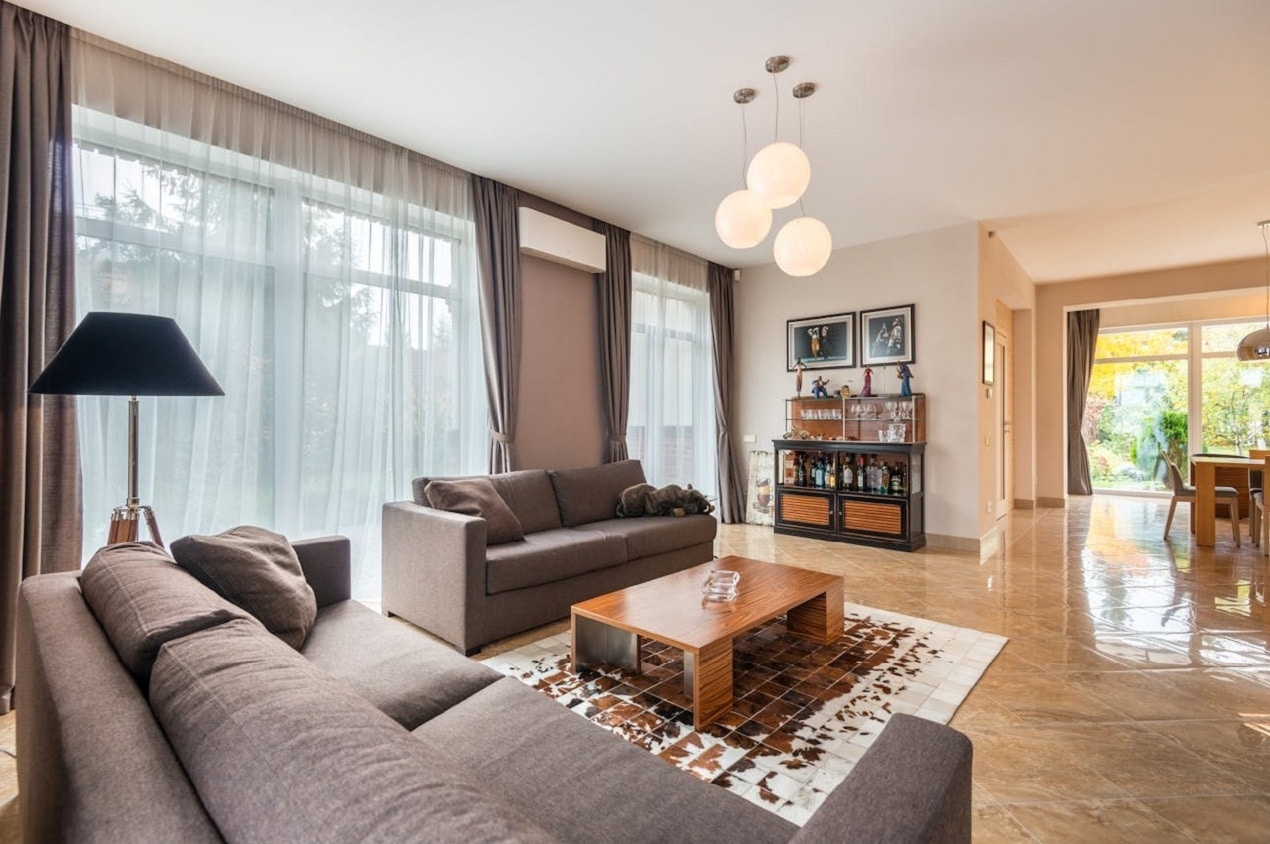
A beautiful interior means nothing if it doesn’t work in everyday life. You sit, move things around, spill coffee, invite guests, and expect your space to keep up. The good news is that style and practicality don’t have to fight each other. With the right choices, your living room can look intentional and still feel relaxed. This is how to design an interior that truly supports how you live.
A Stylish Interior Starts With Furniture That Adapts to Your Life
A functional interior always starts with furniture that can keep up with daily use. Sofas do the hardest job in the living room — they are used for resting, working, sleeping, and hosting guests. When a sofa is flexible, the whole space becomes easier to live in and less stressful.
Instead of treating the sofa like something fragile, it makes more sense to see it as a solid base you can change over time. This is where removable covers really matter. Using an ikea friheten cover allows you to refresh the look of your living room without buying new furniture or redesigning everything from scratch.
In real life, this approach helps when:
- fabric starts to look worn,
- your style slowly changes,
- seasons affect light and colors in the room,
- pets, kids, or guests use the sofa every day.
When furniture adapts to you, not the other way around, the interior stays calm, consistent, and much easier to manage.
Why Do Textiles Change the Feeling of a Room So Quickly?
Textiles have a bigger impact on interiors than most people think. Fabric color, texture, and thickness influence how warm, cozy, or open a room feels. You can keep the same furniture layout and still completely change the mood just by switching textiles.
Large surfaces matter more than small accessories. A sofa cover affects the whole room instantly, especially when the sofa is the main focal point. This makes fabric changes one of the fastest and safest ways to refresh an interior.
Well-chosen textiles help control:
- how light behaves in the space,
- whether the room feels cozy or airy,
- how relaxed or more elegant the interior looks.
Natural fabrics like cotton or linen make the space feel lighter and more casual. Velvet or corduroy adds depth and works well in cozy, evening-focused interiors. When fabrics are removable and washable, style becomes flexible instead of risky.
What Makes an Interior Practical for Everyday Use?
An interior that looks great but needs constant care quickly becomes tiring. Practical design is about choosing materials that behave well, not about choosing the cheapest or trendiest options. Durability and easy maintenance are what make a living room comfortable long-term.
Modern upholstery fabrics are designed for real homes, not showrooms. They are made to be used, washed, and reused without losing their shape or color. This changes how relaxed you feel in your own space.
Materials that work best in everyday interiors usually offer:
- resistance to frequent sitting and movement,
- easy cleaning without professional help,
- structure that stays consistent after washing.
When you trust the materials around you, the room feels lighter mentally. You stop worrying about small accidents and start enjoying the space again.
Should a Living Room Stay the Same for Years?
Homes change because people change. New routines, new habits, and new needs slowly shape how a space should work. Interiors that allow small updates age much better than those designed to stay untouched.
Instead of aiming for one “perfect” version of a living room, it’s smarter to build a flexible base. When furniture stays the same and textiles can be replaced, the room evolves naturally — without visual chaos or expensive renovations.
Flexible interiors make it easier to:
- refresh the space without major costs,
- adapt to seasonal changes,
- keep a consistent, calm look over time.
A living room that evolves with you always feels intentional. It looks lived-in, not worn out, and that’s usually what makes a space feel both stylish and real.
How Does Layout Affect How Comfortable Your Living Room Feels?
The way furniture is arranged often matters more than the furniture itself. Even a well-designed sofa can feel wrong if the layout doesn’t support how you move, sit, and use the room every day. Good layout gives you space to breathe and makes the room feel natural, not crowded.
A comfortable living room layout:
- creates clear walking paths,
- allows easy access to seating and storage,
- keeps the sofa connected to the rest of the space, not pushed away from it.
Small changes can make a big difference. Moving the sofa a few centimeters away from the wall, turning it slightly, or opening the space around it can instantly make the room feel more balanced. When the layout works, the room feels calmer — even before you change colors or fabrics.
Why Small Details Decide Whether an Interior Feels Finished?
An interior rarely feels complete because of one big element. It’s usually the small, well-chosen details that make the space feel intentional and well thought out. These details don’t dominate the room, but they quietly tie everything together.
What really helps an interior feel finished:
- consistent textures across the room,
- repeated colors in different elements,
- materials that feel good to the touch, not just look good.
A sofa, for example, feels more integrated when its fabric matches cushions, curtains, or a rug nearby. When details connect visually, the room feels calmer and more organized. You don’t need many decorations — you need coherent ones that support the main elements instead of competing with them.