

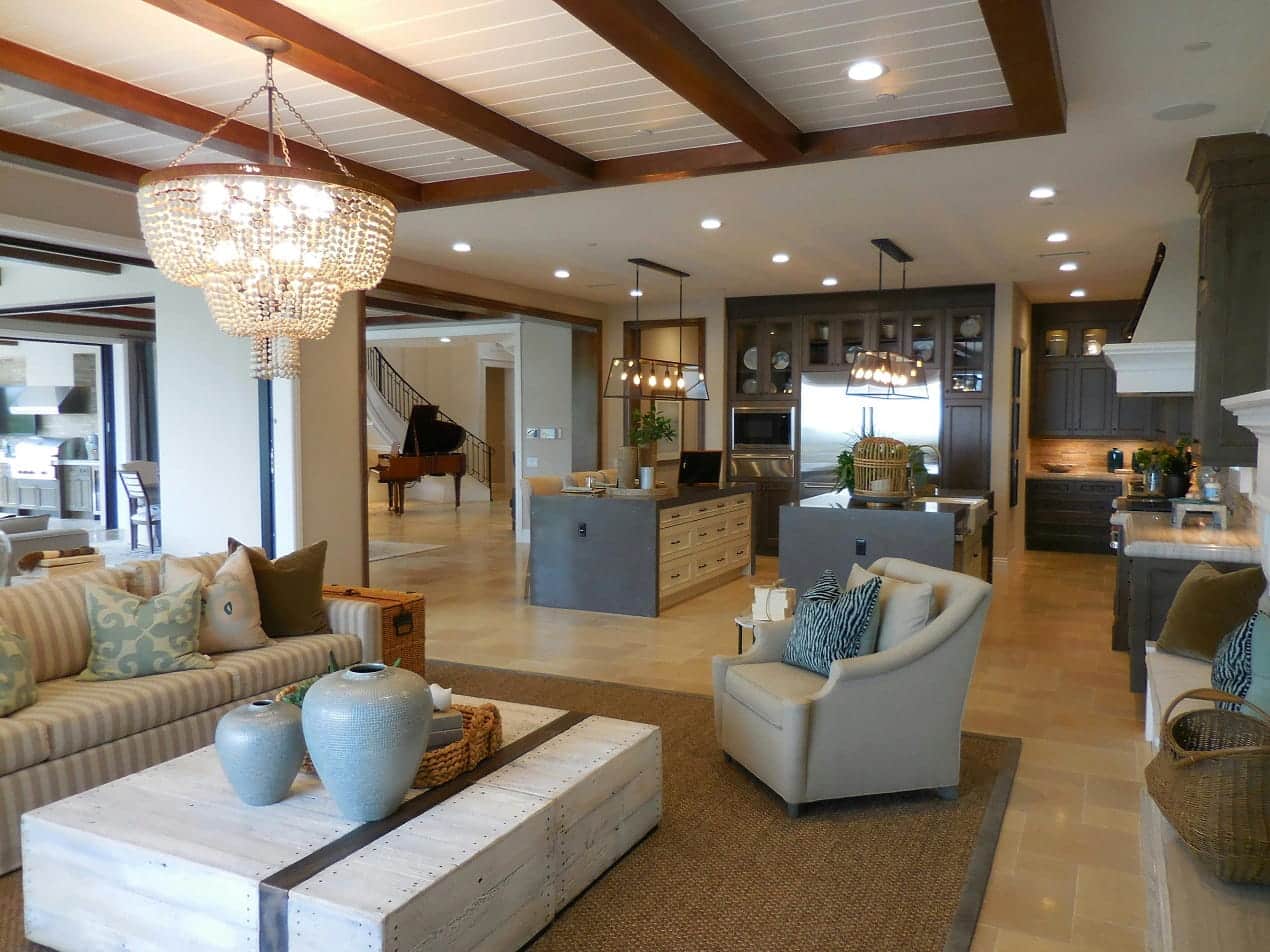
Homes are lived in, not staged for photos. The places that see the most movement, entryways, kitchens, family rooms, mudrooms, need to balance resilience with a look you enjoy. Choosing durable finishes and arranging for everyday habits will keep these rooms functioning and attractive for years.
Small choices have an outsized impact on how a busy space performs. Thoughtful materials, deliberate layout, and simple maintenance routines minimize wear and keep a home feeling intentional. Personal items such as keys, sunglasses, and phone accessories like an iPhone 17 case often accumulate on surfaces, so planning for drop zones and easy cleaning makes life smoother.
Choose Materials That Stand Up To Wear
When selecting finishes for high-traffic areas, think of maintenance as a design criterion. Hardwoods with a denser grain or engineered wood with a durable wear layer resist dents and scuffs better than softer species. For floors in mudrooms or entryways, consider porcelain tile or luxury vinyl that mimic natural textures without the same maintenance needs.
For countertops and table surfaces, matte finishes hide fingerprints and minor scratches better than glossy ones. Upholstery fabrics should be specified by rub count and stain resistance if you expect heavy use; textiles with tight weaves and performance treatments will generally look newer longer. Wall paints labeled for high traffic or washable finishes allow you to wipe away marks without repainting.
It helps to mix materials: a durable floor paired with softer, more expressive accents lets you keep a stylish palette without sacrificing longevity.
Plan For Function Without Sacrificing Style
Function and aesthetics can coexist when you design with zones. In an entryway, designate a landing area for shoes, a hook cluster for bags and coats, and a small horizontal surface for mail and daily carry items. Built-in benches or streamlined storage baskets keep clutter contained while contributing to the overall look.
Choose furniture with dual purpose: a console table with lower shelving, a storage ottoman, or a bench with cubbies provides usable storage and a place to sit. Visual cohesion comes from repeating materials or colors across these elements. A metal-framed bench echoes kitchen hardware; a woven basket pairs with natural-fiber rugs.
Lighting plays a role too. Ambient overhead light keeps the whole space usable, while a lamp or sconce creates a welcoming focal point and reduces the chance of dropped items during low-light hours.
Smart Layouts For Busy Families
Traffic patterns determine layout. Observe how family members move through a space during a typical day and design pathways that avoid bottlenecks. In a kitchen, keep a clear work triangle between sink, stove, and refrigerator, and provide landing zones next to appliances. In corridors and transitional spaces, leave at least 30 inches of clear width to accommodate strollers, carts, and two-way foot traffic.
Storage should be intuitive and reachable. Hooks at varying heights accommodate kids and adults. Open bins at low levels invite children to stow their shoes and backpacks, which reduces clutter. For mixed-use rooms, use rugs and furniture placement to define activity areas so everyone knows where to drop things and where to relax.
Consider sightlines too. Stashing everyday items near the door reduces trips across the house, but keep the most visible surfaces tidy by using concealed storage solutions or attractive containers that blend with decor.
Maintenance Strategies That Preserve Looks
A little upkeep keeps durable materials looking their best. Set up simple routines: a sweep-and-spot-clean schedule for floors, a monthly wipe-down of high-touch surfaces, and seasonal touch-ups for grout or grout-sealant checks. Use cleaning products appropriate to each material to avoid damaging finishes.
Protective elements extend life. Chair pads and felt glides protect floors from furniture movement. Entrance rugs trap grit before it reaches flooring; choose rugs with a low-profile pile for easy cleaning and to reduce tripping hazards. For upholstery, rotate cushions and vacuum crevices to avoid uneven wear.
Make maintenance easy by locating supplies near the areas they will be used. A compact caddy under the sink or a small closet near the entry stocked with a broom, dustpan, and spot cleaner encourages regular care.
Seasonal Adjustments And Small Upgrades
High-traffic spaces benefit from seasonal resets. In colder months, provide a designated place for wet gear to dry, using breathable baskets or a ventilated boot tray. In warmer seasons, swap heavier textiles for lighter ones and replace doormats to manage changing debris patterns.
Small upgrades refresh a space without a major renovation. Replacing hardware, updating light fixtures, or installing a more durable countertop surface can change the room’s personality and boost durability. Consider modular or removable solutions when trial and error is likely: peel-and-stick tiles, slipcovers, or temporary storage hooks let you adapt to changing needs without a full commitment.
Sometimes the simplest improvements have the biggest effect. Adding a narrow shelf for mail, a mirror to bounce light, or a tray for daily items clarifies the space’s purpose and reduces visual clutter.
Conclusion
Designing for heavy use does not mean sacrificing beauty. By choosing materials that resist wear, organizing with intent, shaping layouts around real movement, and committing to small maintenance habits, you can create rooms that look curated and stand up to daily life. Thoughtful details and occasional seasonal tweaks keep these spaces working well and feeling like home.