

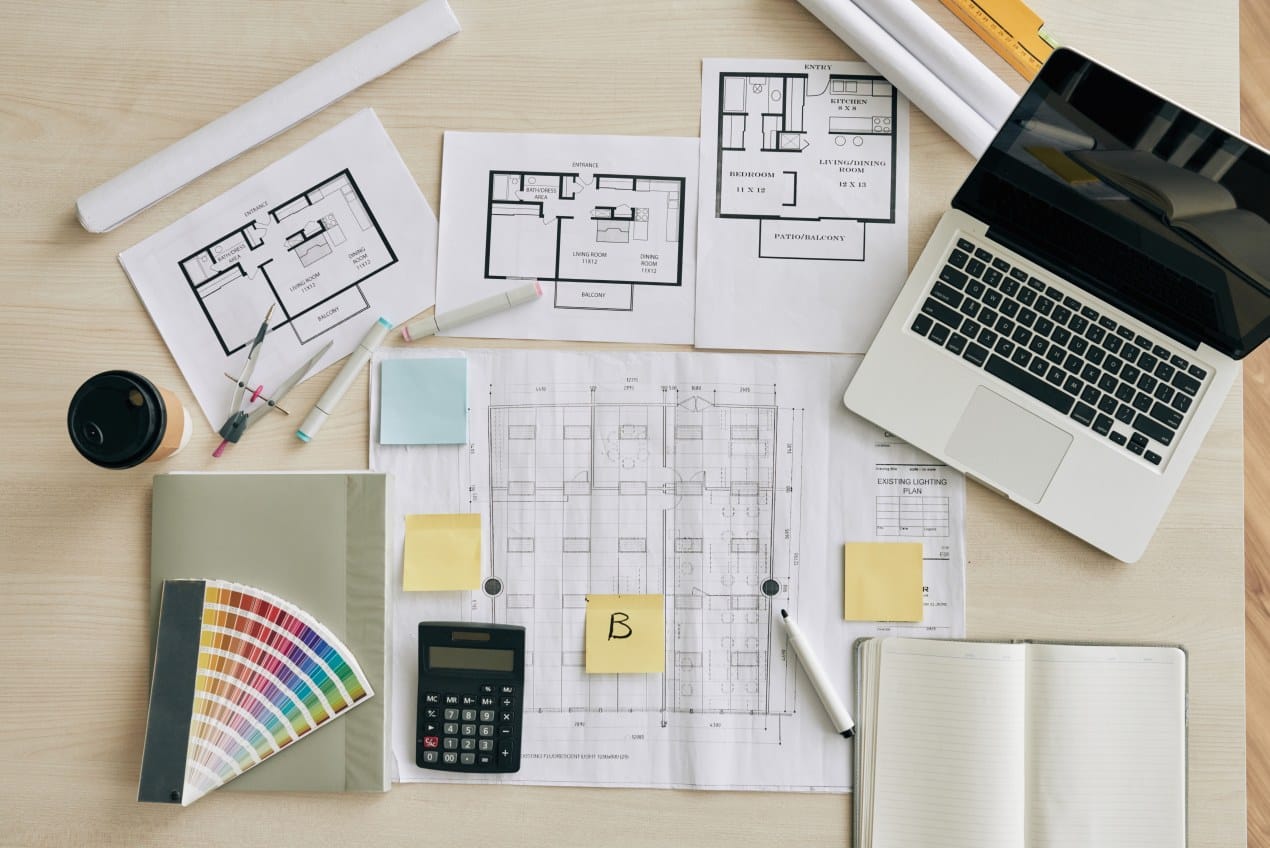
Every creative mind needs a place to thrive and a space that encourages ideas to flow, projects to evolve, and inspiration to strike naturally. Whether you’re a designer, artist, engineer or hobbyist, your environment plays a vital role in shaping your productivity and creativity. Building your perfect creative space isn’t just about furniture or layout; it’s about designing a setting that supports focus, experimentation and joy.
Start with a Vision
Before you begin rearranging or buying equipment, picture how you want to feel in your creative space. Do you want an atmosphere that’s calm and minimalist, or one bursting with colour and character? Consider how your creative process works. Do you thrive in structured order or relaxed chaos?
Your vision will guide every decision, from colour palettes to lighting to layout. A well-defined concept ensures that your space reflects not just your craft but your personality, creating an environment that sparks motivation every time you step inside.
Design Around Functionality
Every creative project needs the right tools and a practical layout. The best creative spaces are built around function, ensuring everything you need is within reach. For those who craft, paint, build or assemble, investing in durable and adaptable workbenches provides a strong foundation for your ideas to take shape.
Choose a workstation that complements your craft, with the right height, surface space and storage solutions. Modular benches, for instance, allow you to customise your workspace for different projects, ensuring both comfort and efficiency.
Lighting Makes the Mood
Good lighting is essential in a creative space. Natural light is ideal, but if that’s not always available, combine bright overhead lighting with adjustable task lamps to reduce shadows and strain. For visual work like painting or model-making, opt for daylight-balanced bulbs to ensure colours appear true.
Ambient lighting can also transform mood. For example, a warm glow can inspire calm reflection, while cooler tones keep you alert and focused. The right balance helps your workspace feel welcoming and energising, day or night.
Organise for Clarity
Clutter can quickly stifle creativity. While some artists thrive in a bit of creative chaos, a well-organised system helps your mind stay clear and your projects progress smoothly. Incorporate shelving, labelled storage bins and pegboards for tools or materials you use frequently.
Design your storage around your workflow: keep everyday items within arm’s reach, and store rarely used supplies further away. This approach saves time and keeps your creative rhythm uninterrupted.
Personalise Your Environment
Your creative space should reflect who you are and what you love. Surround yourself with items that inspire, like artwork, plants, meaningful objects or textures that bring comfort. Consider sound as well; a small speaker for background music or ambient sounds can make your workspace feel more alive.
Adding personal touches isn’t just about aesthetics; it strengthens your connection to the space, helping you feel grounded and motivated.
Leave Room for Growth
Creativity evolves, and so should your workspace. Leave some flexibility in your setup so you can adjust as your projects or tools change. Modular furniture, movable storage and adjustable lighting make it easier to refresh your layout without starting from scratch.
Designing your space with adaptability in mind ensures it continues to serve your needs, whether you take on larger projects, explore new mediums or simply crave a change in scenery.
Bringing It All Together
Your creative space is more than a room; it’s a reflection of your process, your purpose and your potential. By blending functionality with personal expression, you create an environment where inspiration can thrive freely. From lighting to layout and everything in between, each detail contributes to an atmosphere where your imagination can take centre stage.