

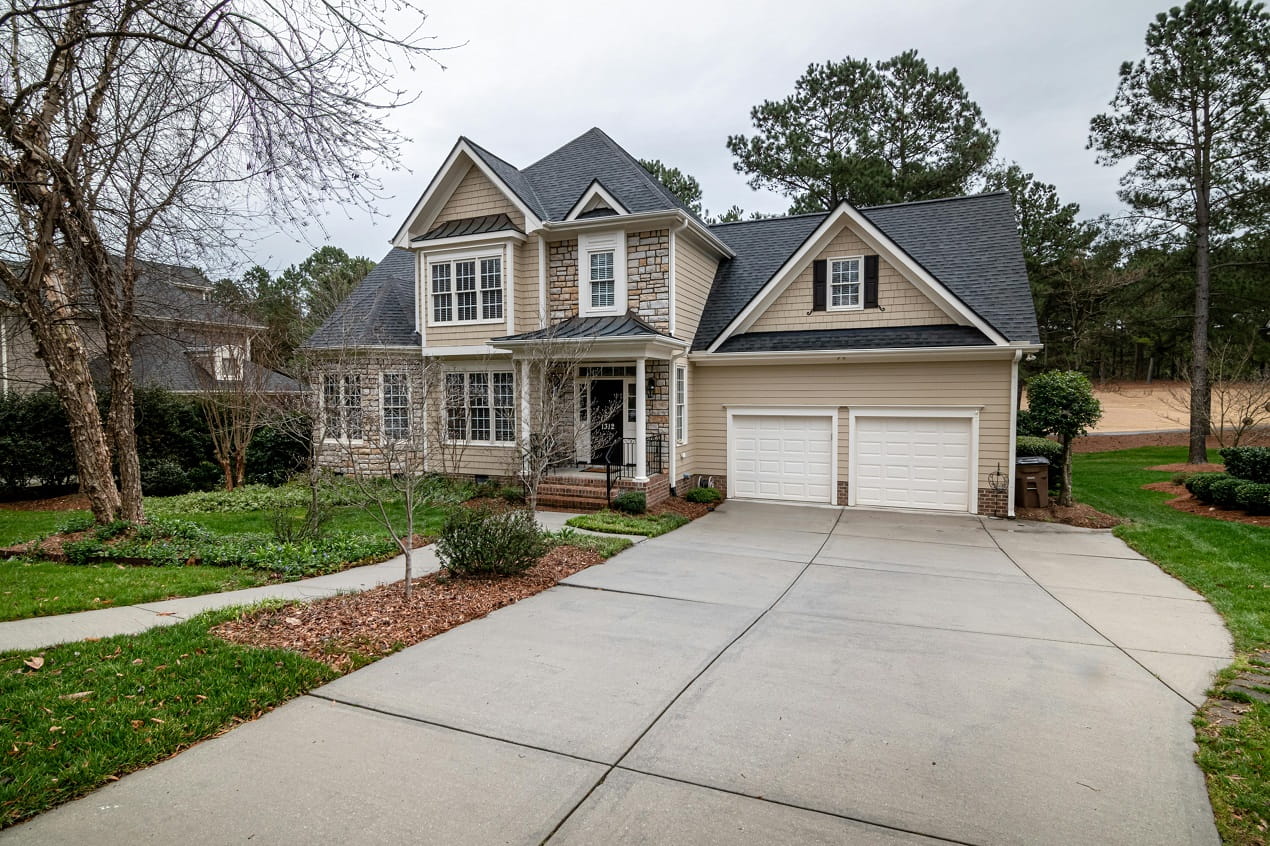
Some driveways immediately feel complete, balanced, and well thought through. Others feel temporary, messy, or oddly disconnected from the home they serve. This contrast often has less to do with budget and more to do with design decisions that either bring elements together or leave them visually unresolved.
A driveway is one of the first features people notice when approaching a property. Because of its size and position, even small design oversights can have a big impact on how finished the space feels.
It Starts with the Surface, But Doesn’t End There
Surface material is usually the first thing people think about. Gravel, concrete, block paving, and resin-bound finishes can all look polished when chosen and installed carefully. For a seamless and long-lasting result, many property owners rely on professional resin driveway specialists Southampton to ensure the surface is properly prepared and installed. Problems arise when the surface appears uneven, poorly compacted, or mismatched with the surrounding environment.
A gravel driveway with inconsistent depth or visible tire ruts can feel untidy. Concrete that has discolored or cracked draws attention for the wrong reasons. Even high-quality materials can look unfinished if the installation lacks precision or if the surface hasn’t been maintained.
A finished driveway shows consistency. The surface looks intentional, stable, and appropriate for the property rather than like a quick solution.
Why Edges Make or Break the Look
One of the most common reasons why a driveway looks unfinished is the absence of clear edges. When a surface fades into grass or planting without a defined boundary, it feels unresolved. The eye has nowhere to stop.
Edging provides structure. It frames the driveway in the same way that a mount frames artwork. This is especially important for gravel, where movement over time can quickly blur the shape of the driveway and make it feel uncontrolled. Thoughtful edging solutions can prevent this while also adding a visual finish. Examples and considerations can be found in these gravel driveway edging ideas.
Defined edges also help visually separate functional areas, making the driveway feel like a deliberate design element rather than leftover space.
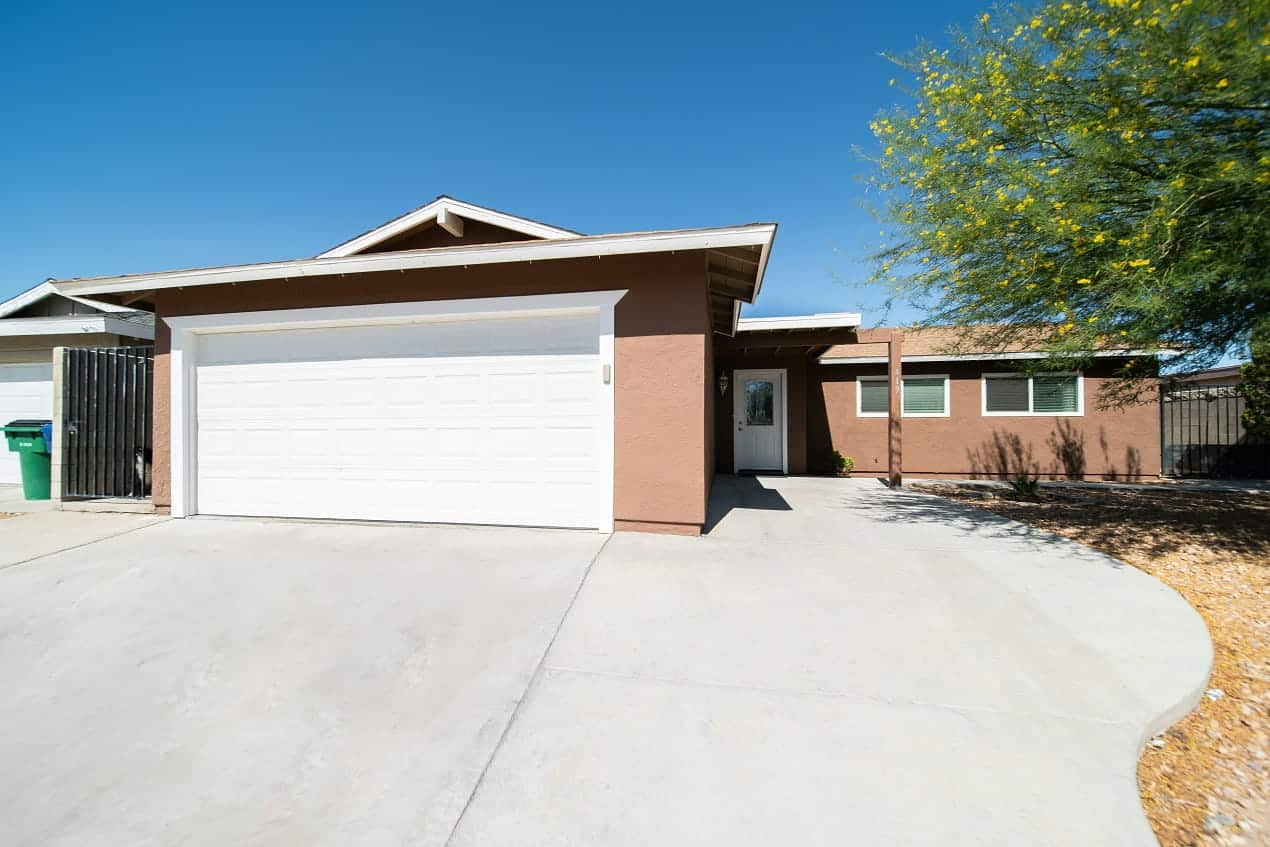
Relationship With the House and Garden
Finished driveways feel connected to their surroundings, while unfinished ones often feel imposed. This usually comes down to how well the driveway relates to the house, garden, and pathways around it.
Color and material choice play a role here. A driveway that echoes tones found in the home’s brickwork, stone, or render feels cohesive. Planting along edges softens transitions and helps integrate hard surfaces into the landscape.
Alignment matters too. A driveway that awkwardly cuts across a front garden or doesn’t visually lead toward the entrance can feel disjointed, even if the surface itself is well executed.
Proportion and Visual Balance
Scale is another subtle but powerful factor. Driveways that are too wide or dominate the frontage can overwhelm the property, making the space feel harsh and unfinished. Those that are too narrow may feel like an afterthought rather than a planned feature.
Finished driveways usually strike a balance between access and aesthetics. They allow enough room for vehicles while leaving space for planting, paths, or visual breaks that stop the surface from feeling excessive.
Borders, contrasting materials, or gentle curves can help manage proportion and guide the eye naturally through the space.
Design Signals and Long-Term Care
Details often separate a finished driveway from an unfinished one. Borders, subtle changes in texture, drainage solutions that are neatly integrated, or discreet lighting all signal intention. They suggest that the driveway has been designed rather than simply installed.
Maintenance reinforces this impression. Gravel that is regularly leveled, edges that are kept sharp, and surfaces that are cleaned or repaired as needed all contribute to a sense of completeness. Without upkeep, even the best design will eventually look tired and unresolved.
Conclusion
A driveway looks finished when it feels intentional from edge to edge. Clear boundaries, appropriate materials, good proportions, and thoughtful integration with the surrounding space all work together to create that effect.
When these elements are missing, the driveway often feels abrupt or incomplete, regardless of how much was spent. Paying attention to structure, transitions, and long-term care transforms a driveway into a cohesive part of the home rather than just a practical surface.