

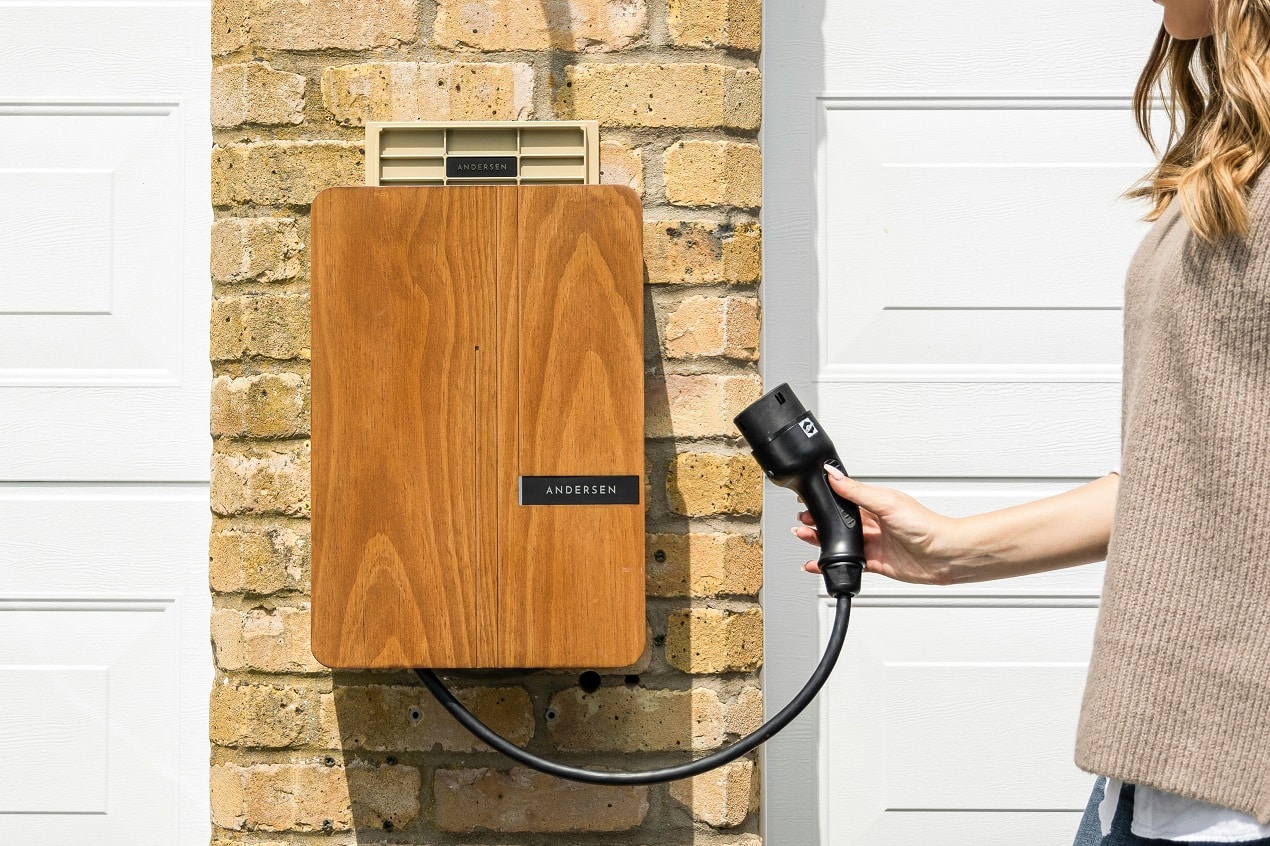
Electric vehicles (EVs) are transforming how we think about transportation, and as more homeowners invest in EVs, integrating EV charging infrastructure at home becomes increasingly important. We will explore how installing an EV charger can enhance a smart home ecosystem, creating a seamless connection between transportation and everyday living. Through thoughtful integration, EV charging becomes more than a standalone convenience—it becomes an intelligent component of an automated home environment. From energy management to user convenience and safety improvements, the potential synergies are significant.
How EV Charger Installation Elevates Smart Home Systems
1. Optimized Energy Management and Cost Savings
Integrating an EV charger with home automation fundamentally transforms how a household consumes and manages energy. Modern automated energy systems are designed to monitor electricity usage in real time, giving homeowners insight into consumption patterns across appliances, heating and cooling systems, lighting, and now EV charging. When an EV charger is connected to this network, it becomes an active component in dynamic energy allocation. For example, during peak electricity demand within the home—say when the HVAC system and multiple appliances are running—the automation system can delay or modulate EV charging to reduce strain on the electrical grid and avoid high utility tariffs. This ability to shift charging to off-peak hours based on predefined schedules or real-time rate changes can reduce electricity costs for homeowners.
Moreover, for households with solar panels or other renewable generation systems, the home automation platform can prioritize utilizing self-generated power for EV charging when available. A Vancouver home EV charging setup can take full advantage of this integration, ensuring that excess solar energy is directed to the vehicle rather than being exported back to the grid at low credits. The system intelligently allocates energy to the EV, maximizing return on investment in both the solar and EV charging infrastructure. The result is a more efficient and cost-effective energy ecosystem where the homeowner gains visibility and control over when and how energy is used, with EV charging seamlessly part of that picture.
2. Enhanced Convenience Through Automated Scheduling and Control
A defining feature of home automation is the ability to schedule and control devices remotely, and EV chargers are no exception. Homeowners can set specific parameters for EV charging based on daily routines, electricity pricing structures, or even personal preferences like ensuring the vehicle is fully charged before morning departure. With integration into existing smart systems, these schedules can adapt automatically based on real-time inputs.
For example, if weather forecasts predict high daytime temperatures, increasing cooling demand at home, the automation system might delay EV charging to times when the overall household load is lighter. Remote control via smartphone apps or centralized control panels means users can initiate, pause, or adjust charging sessions from anywhere, whether they’re finishing work at the office or returning from errands. Voice-control integrations with digital assistants also enhance convenience by enabling simple commands to manage charging. This level of control reduces homeowners’ cognitive load by removing the need to remember to plug in or manually start charging, and ensures the EV is always ready when needed without interfering with other high-demand home systems.
3. Improved Safety and Electrical Health Monitoring
Integrating an EV charger into a home automation system comes with significant safety benefits. Advanced automated platforms can monitor electrical loads across circuits, detecting anomalies or excessive draw that could indicate potential hazards. When an EV charger communicates with these systems, the home’s overall electrical profile becomes clearer, enabling proactive detection of issues such as overheating, unexpected surges, or wiring faults. In cases where the charging load threatens to exceed safe thresholds, automated systems can throttle or temporarily halt charging to protect the home’s electrical network. Alerts can be sent directly to the homeowner’s device, ensuring that potentially hazardous electrical conditions are addressed promptly.
Additionally, routine diagnostics performed through the automation interface help maintain the longevity of the EV charger and related hardware. Regular feedback on the charger’s operational status—such as temperature, connectivity health, and power quality—keeps users informed about performance and potential maintenance needs. The result is not only a safer charging environment but also a more resilient home electrical system that prioritizes preventive measures rather than reactive fixes.
4. Integration With Renewable Energy and Storage Solutions
For homes equipped with renewable energy systems such as solar panels or battery storage units, EV charger integration takes on even greater strategic value. Home automation platforms capable of coordinating between generation, storage, and consumption can direct energy flows based on priorities and conditions. For example, on a sunny afternoon, there might be an excess of solar energy. Instead of letting that energy go unused or exporting it to the grid, the system can automatically divert it to charge the EV. Conversely, when solar production wanes in the evening, stored energy in home batteries can be used first to keep the home running, with the EV charger adjusting accordingly.
Such coordination ensures that renewable generation is maximized, reducing dependence on grid energy and lowering overall utility costs. Homeowners gain the flexibility to define charging preferences—such as prioritizing green energy usage over grid energy—or to dynamically adjust based on incentives like time-of-use pricing. The configurability offered by automated integration means that the EV charger adapts not only to the home’s needs but also to broader energy strategies that emphasize sustainability and cost-efficiency.
The installation of an EV charger within a smart home framework is more than an added amenity—it is a strategic enhancement that elevates convenience, safety, and energy efficiency. By weaving EV charging into the broader fabric of automated systems, homeowners gain unprecedented control over their energy use, cost management, and lifestyle routines. As EV adoption continues to grow, the interplay between charging infrastructure and home automation will be pivotal in shaping the future of residential energy ecosystems.