

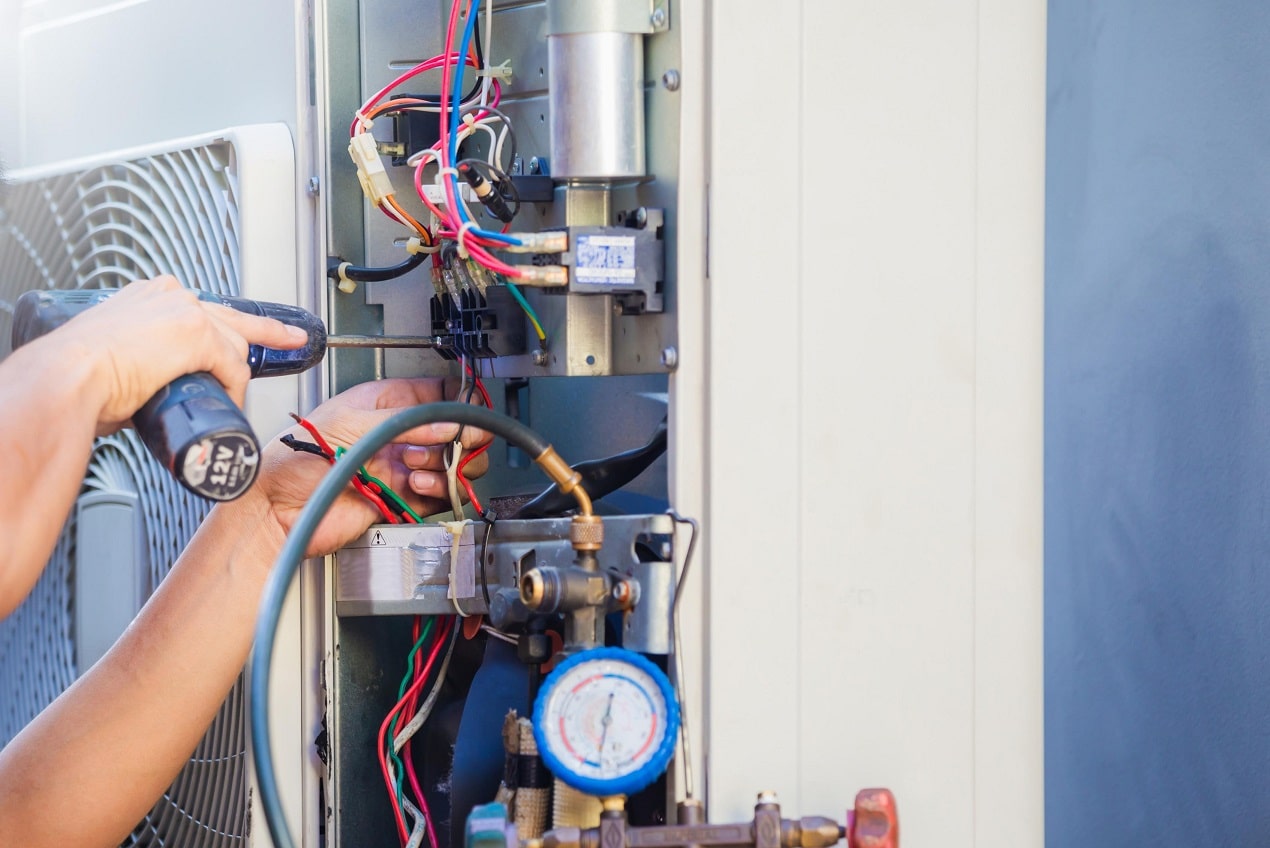
When a furnace has just been repaired, many homeowners feel a sense of relief and assume the system will now run reliably for years. However, a repair is only one step in preserving the overall service life of your heating equipment. The period immediately following a repair is critical because the system is recalibrating to restore components, airflow patterns, and operating cycles. Without proper follow-through, the same stressors that caused the initial issue can return. We will explore practical, preventative measures that help protect your furnace investment, reduce wear on internal components, and create stable heating performance long after the technician has completed the repair.
Practical Post-Repair Strategies to Preserve Performance and Prevent Future Breakdowns
1. Recalibrate Your Thermostat and Heating Schedule
After a furnace repair, particularly one involving ignition systems, blower motors, or limit switches, it is important to reassess thermostat settings. Many breakdowns stem from excessive cycling caused by aggressive temperature swings. If you have recently scheduled furnace repair in mt crawford, taking time to fine-tune your thermostat can prevent the same strain from returning. If your thermostat is set for sharp increases during the early morning hours or late evenings, the furnace may strain to meet the rapid demand. Instead, moderate temperature adjustments in two-degree increments to reduce startup stress.
Smart thermostats can also be configured to maintain steady heating curves rather than abrupt spikes. Proper calibration ensures the repaired components are not immediately subjected to the same workload patterns that contributed to failure. Stable cycling protects heat exchangers, reduces strain on relays, and supports smoother airflow transitions. Over time, these small operational adjustments can significantly slow mechanical fatigue and extend overall equipment longevity.
2. Improve Airflow Management Throughout the Home
Restricted airflow is one of the most common contributors to furnace deterioration. After a repair, verify that supply vents are open, return grilles are unobstructed, and ductwork connections remain sealed. When airflow is restricted, static pressure inside the system increases, forcing the blower motor to work harder than intended. This added resistance can prematurely wear belts, bearings, and electrical components. Replace air filters on a consistent schedule—typically every one to three months, depending on dust levels and indoor activity. Consider upgrading to a filter with balanced MERV ratings that trap debris without restricting airflow too much. Additionally, have ductwork inspected for leaks that could reduce system efficiency. Balanced airflow not only enhances comfort but also ensures the repaired furnace components operate within manufacturer tolerances, minimizing the risk of overheating and mechanical stress.
3. Monitor Combustion Efficiency and Venting Conditions
Furnaces that burn natural gas or propane rely on stable combustion conditions. After repairs involving burners, flame sensors, or gas valves, ongoing observation is essential. Listen for irregular ignition sounds or delayed burner lighting, which may signal airflow or fuel mixture inconsistencies. Ensure that vent pipes remain clear of debris, nests, or external blockages. Improper venting can cause heat buildup or carbon monoxide risks, and it also places strain on the heat exchanger. Keep the surrounding furnace area free from stored chemicals, paints, or flammable materials that might interfere with combustion air quality. A clean combustion environment supports consistent flame patterns, reduces soot accumulation, and helps preserve internal metal surfaces from corrosion. When combustion operates efficiently, the furnace experiences less thermal expansion stress, which significantly extends equipment life.
4. Maintain Electrical Integrity and Power Stability
Electrical inconsistencies can shorten the life of recently repaired components. Voltage fluctuations, loose wiring, or overloaded circuits create stress on control boards and motors. After a repair, consider having connections inspected to ensure tight terminal fittings and secure grounding. Installing a dedicated surge protector for your HVAC system can shield sensitive electronics from sudden spikes caused by storms or grid instability. If your furnace frequently shares a circuit with other high-demand appliances, discuss redistributing loads to prevent voltage drops during operation. Electrical stability ensures control boards, ignition modules, and blower assemblies function smoothly without overheating. Sustained, balanced power flow minimizes repeated strain on relays and capacitors, allowing the repaired system to operate within safe electrical parameters and extend its service life.
5. Schedule Proactive Seasonal Inspections
Waiting until a furnace malfunctions again can dramatically shorten its lifespan. Instead, adopt a preventative maintenance approach by scheduling seasonal inspections before peak winter demand. During these visits, technicians can evaluate flame quality, inspect heat exchanger integrity, test safety switches, and verify airflow metrics. Early detection of minor irregularities prevents compounding damage that could undermine the recent repair. Seasonal service also recalibrates the system to accommodate environmental changes, such as shifts in humidity or duct expansion. Consistent evaluations allow for small adjustments that keep internal components aligned and balanced. This structured maintenance rhythm transforms furnace care from reactive to preventative, significantly improving durability and operational stability across multiple heating seasons.
6. Control Indoor Air Quality and Humidity Levels
Excessive indoor humidity or airborne contaminants accelerate internal corrosion and debris buildup. After a furnace repair, protecting internal components from environmental stress becomes even more important. Install a whole-home humidifier or dehumidifier if moisture levels fluctuate outside the recommended range of 30 to 50 percent. Balanced humidity reduces rust formation on metal surfaces and prevents expansion stress within duct systems. Additionally, consider air purification systems that limit dust, pet dander, and airborne particles entering the furnace chamber. Cleaner air supports longer blower life and reduces clogging in burners and sensors. When indoor air conditions remain stable, the furnace operates under less environmental strain, which directly contributes to extended operational longevity.
A furnace repair restores function, but sustained performance depends on disciplined post-repair practices. By regulating thermostat usage, maintaining airflow integrity, stabilizing electrical supply, and protecting combustion conditions, homeowners create an environment that supports mechanical longevity. Seasonal inspections and indoor air management further reduce the strain placed on internal systems. Extending the furnace’s lifespan is less about dramatic interventions and more about consistent, measured adjustments that protect restored components from recurring stressors. With thoughtful maintenance and balanced operation, your furnace can deliver dependable heating for many years, maximizing the value of every repair and preserving comfort throughout changing winter conditions.