


When homeowners experience inconsistent heating or strange noises from their HVAC system, the culprit is often furnace blower motor failure. The blower motor is responsible for pushing heated air through the ducts, ensuring every room receives consistent warmth. If this component begins to fail, the entire heating system’s efficiency drops, leading to discomfort and higher energy bills. Understanding the signs of blower motor failure is essential for maintaining a reliable furnace.
What Are the Common Signs of Furnace Blower Motor Failure?
Furnace blower motor failure typically presents itself in several noticeable ways. One of the most common signs is weak or inconsistent airflow from the vents. If the motor struggles, it cannot circulate air effectively, leaving some rooms colder than others. Another red flag is unusual noises, such as grinding, squealing, or rattling, which often indicate worn bearings or loose components.
Overheating is another symptom that should not be ignored. A failing motor may shut down unexpectedly to protect itself, leaving the furnace unable to deliver warm air. In some cases, the furnace may cycle on and off more frequently than normal, a condition known as short cycling. These furnace motor problems not only reduce comfort but also increase wear on other system components.
Why Does a Furnace Blower Motor Fail?
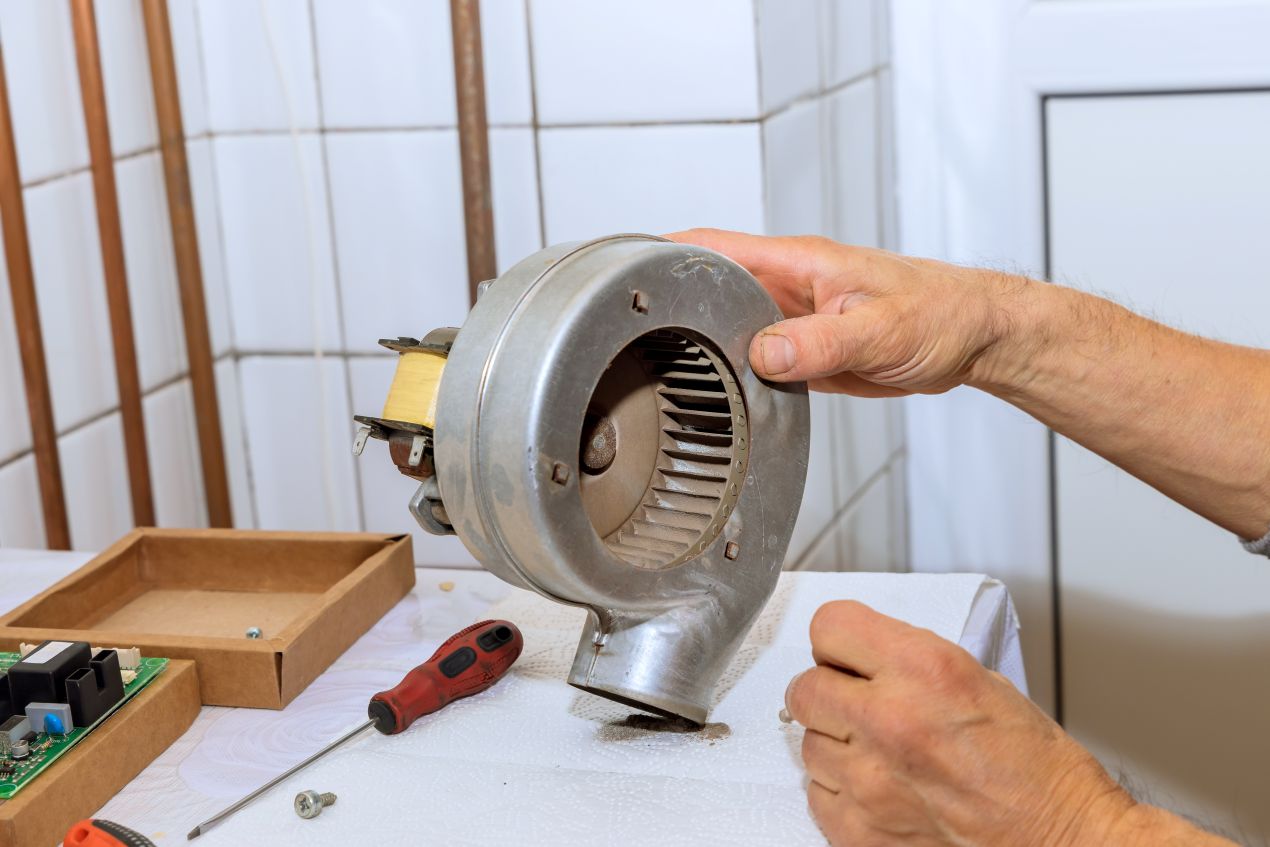
Several factors contribute to blower motor failure. Dust and debris buildup can restrict airflow, forcing the motor to work harder than necessary. Lack of lubrication in older motors may cause friction, leading to overheating and eventual breakdown. Electrical issues, such as faulty capacitors or wiring problems, can also prevent the motor from starting or running efficiently.
In addition, age plays a significant role. Most blower motors last between 10 to 20 years, depending on usage and maintenance. Without regular inspections and cleaning, the lifespan of the motor can be significantly reduced. This is why scheduling furnace repair services in San Marcos, TX, is critical for extending the life of the system.
How Can Homeowners Troubleshoot Furnace Motor Problems?
While some issues require professional repair, homeowners can perform basic troubleshooting. Checking the air filter is the first step, as clogged filters restrict airflow and strain the motor. Inspecting the thermostat settings ensures the system is calling for heat correctly. Listening for unusual noises can also help identify whether the problem lies in the motor or another component.
However, electrical testing and part replacement should be left to professionals. Attempting DIY repairs without proper training can lead to further damage or safety hazards. For reliable solutions, many homeowners turn to Heating Services in San Marcos, TX, where trained technicians can diagnose and repair blower motor issues efficiently.
What Happens If a Failing Blower Motor Is Ignored?
Ignoring the signs of blower motor failure can lead to a complete system breakdown. Without proper airflow, the furnace may overheat, triggering safety shutoffs and leaving the home without heat. Energy bills often rise as the system works harder to compensate for reduced efficiency. In severe cases, the heat exchanger may crack due to excessive strain, creating a dangerous situation that could lead to carbon monoxide leaks.
Addressing furnace blower repair early not only prevents costly replacements but also ensures the safety and comfort of the household.
How Can Furnace Blower Repair Extend System Life?
Timely repair and maintenance are key to extending the life of a furnace. Replacing worn bearings, lubricating moving parts, and cleaning accumulated dust can restore efficiency. Technicians may also test electrical components, such as capacitors, to ensure proper startup and operation.
By addressing small issues before they escalate, homeowners can avoid premature furnace replacement. Regular maintenance also improves indoor air quality, as a properly functioning blower motor ensures consistent airflow and filtration.
FAQs about Furnace Blower Motor Failure
1. How long does a furnace blower motor usually last?
Most blower motors last 10–20 years with proper maintenance. Regular inspections and cleaning can help maximize lifespan.
2. Can a furnace run without a blower motor?
No, the blower motor is essential for circulating heated air. Without it, the furnace cannot distribute warmth effectively.
3. How much does furnace blower repair typically cost?
Costs vary depending on the issue, but minor repairs are generally less expensive than full motor replacement.
4. What is the difference between a direct drive and a belt-driven blower motor?
Direct drive motors are connected directly to the fan, while belt-driven motors use a belt and pulley system. Direct drive models are more common in modern furnaces.
5. Should I replace the blower motor or the entire furnace?
If the furnace is relatively new, replacing the blower motor is often the best choice. However, if the system is over 15 years old, a full replacement may be more cost-effective.
Conclusion
Recognizing the early signs of blower motor failure is crucial for preventing costly furnace motor problems. From weak airflow to unusual noises and overheating, these symptoms should never be ignored. Timely furnace blower repair not only restores comfort but also extends the life of the heating system. For homeowners seeking expert care, Woods Comfort Systems provides trusted solutions that ensure long-term reliability and peace of mind.