

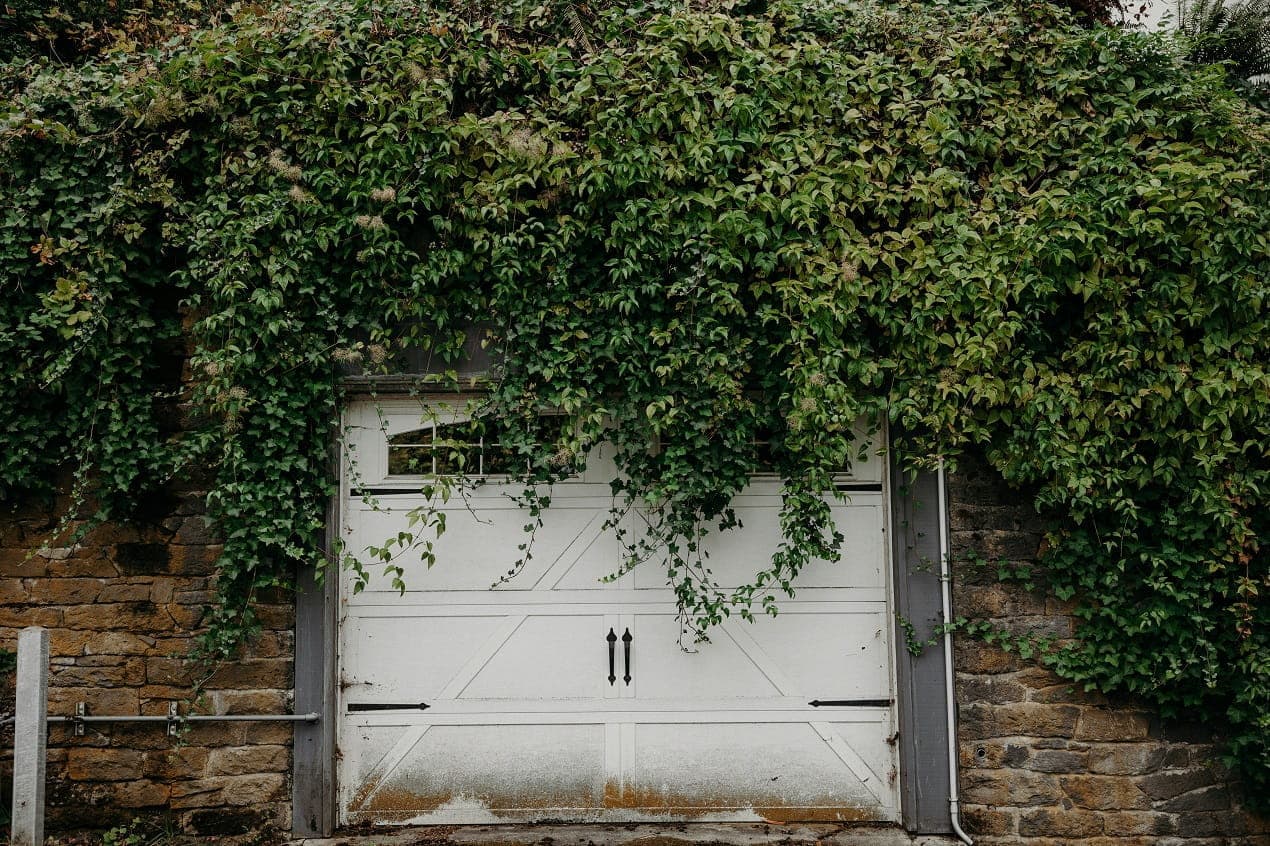
Your garage door is your home’s largest moving part. And most homeowners don’t think about it until there’s a problem.
Here’s the scary part…
Garage doors are responsible for thousands of needless injuries each year. The best part is that most of these accidents never should have happened. The good news is they can be prevented by performing a simple yearly safety check that takes less than one hour.
Well hello there. This guide will teach you what every house should have checks for. Alright, let’s get started!
What you’ll get out of this:
- Why Annual Garage Door Checks Matter
- The Essential Safety Checks
- Warning Signs You Shouldn’t Ignore
Why Annual Garage Door Checks Matter
Did you know your garage door does more work than any other component in your home? Twice a day your garage door lifts hundreds of pounds. It does this day after day without complaining.
But years of use take its toll. Springs loosen. Cables snap. Sensors get coated in dirt. And when things fail…they fail spectacularly.
The Consumer Product Safety Commission estimates that each year in the US there are 20,000-30,000 injuries associated with garage doors. The injuries range from fingers, hands, and heads most commonly. Children represent a large percentage of the serious injuries.
Here’s the biggest culprit though…
Broken extension springs are one of the most common causes of sudden garage door failure. Extension springs run along the tracks above your door on both sides. When you open your door these springs extend. Eventually, they become weak and break. If one breaks, your entire door can come plummeting down suddenly. If you notice stretched or worn springs when you inspect your door, schedule professional Oldsmar garage door repairs immediately. Don’t attempt to repair this problem yourself on parts under so much tension.
Now let’s get into the actual safety checks…
Test The Auto-Reverse Feature
This is the number one safety check every homeowner needs to do.
Auto-reverse is a safety feature that prevents your door from closing on something (or someone). Most doors have had this feature standard since the early 1990s.
Here’s how to test it:
- Lay a long, solid item like a 2×4 or paper towel roll on the ground
- Close the door using the opener
- The door should stop and reverse when it touches the object
If it fails to return back to the upright position you have a serious problem. Leave the door alone until repaired. 200 pound panel crashing down on a child or pet is not a risk you want to take.
Check The Photo Eye Sensors
Photo eyes are the small sensors located by your feet on both sides of the door. They project an invisible beam across the opening. When something interrupts the beam while the door is closing, it will cause the door to go back up.
To test them:
- Start closing the door with the opener
- Wave a broom handle through the sensor beam
- The door should immediately stop and reverse
If all fails, just clean the lenses with a cloth. Dust can be the entire issue. If that fails they are just out of adjustment and need realigned.
Inspect The Extension Springs
Extension springs bear the weight of your door. They repeatedly extend and contract every time your door is used. This creates enormous tension on the springs.
The typical life expectancy of a normal spring is rated around 10,000 cycles. This equals about 7-10 years of use in a residential application.
What to look for:
- Rust or corrosion on the coils
- Uneven stretching or gaps in the spring
- Fraying safety cables running through the middle
- Strange noises when the door moves
NEVER attempt to substitute a spring yourself. Extension spring repairs are under hundreds of pounds of tension and serious injury will occur if they snap free. Call a professional for this repair.
Test The Door Balance
An unbalanced door causes additional strain on your opener, springs and cables. It’s one of the quickest ways to burn out a motor.
Testing balance is dead simple:
- Close the door fully
- Pull the red emergency release cord
- Manually lift the door to about waist height
- Let go
The door should rest in position by itself. If it slides down or pops back up your springs are unbalanced. Call a technician.
Look At Cables And Rollers
Rollers and cables allow the door to operate smoothly. Both deteriorate with age and both can suddenly fail if neglected.
Check cables for:
- Fraying or broken strands
- Rust or corrosion
- Looseness around the drum
Check rollers for:
- Cracks or chipped edges
- Wobbling as the door moves
- Loud squeaking sounds
If you notice any of these issues, don’t delay the repair. Broken cables can cause a heavy door to come plummeting down in half a second.
Examine The Tracks
Tracks steer your door up and down. When tracks are bent or obstructed your door will not function smoothly and may jump track entirely.
Walk around your garage and look for:
- Dents or bends in the metal
- Loose bolts and mounting brackets
- Rust patches or corrosion
- Debris stuck in the tracks
Snug up any loose bolts. Wipe away debris with a rag. If tracks are bent, don’t attempt to straighten them yourself. Hire a professional.
Lubricate All Moving Parts
Neglecting regular maintenance is one of the leading causes of premature garage door failures. Statistics in the industry reveal that 75% of failures are attributed to customers forgoing basic maintenance. Lubricating your garage door is the simplest task.
Grab a can of silicone-based garage door lubricant (not WD-40) and spray:
- Springs
- Rollers
- Hinges
- Bearings
Wipe away any excess. If you do this twice a year you will prolong the life of every moving part on the door.
Warning Signs You Shouldn’t Ignore
During your annual check, watch out for these red flags:
- Grinding or squealing noises during operation
- Door moving jerky or unevenly
- Slow response from the opener
- Door hanging crooked in the frame
- Sudden loud bang from the garage
Any ONE of these means something is wrong. Small problems turn into big ones real fast with garage doors.
Time To Bring It All Together
Having yearly garage door safety inspections is one of the wisest decisions any homeowner can make. They are inexpensive, costing only time. They can also protect your family from severe injury.
Quick recap:
- Test the auto-reverse feature every year
- Check springs, cables, rollers, and tracks
- Balance-test the door with the manual release
- Lubricate all moving parts twice a year
- Call a professional for any spring or cable work
The bottom line? Garage doors are big, powerful pieces of equipment. Treat them with respect and they’ll protect your family for years to come.
Don’t wait for something to break. Do these checks now!