

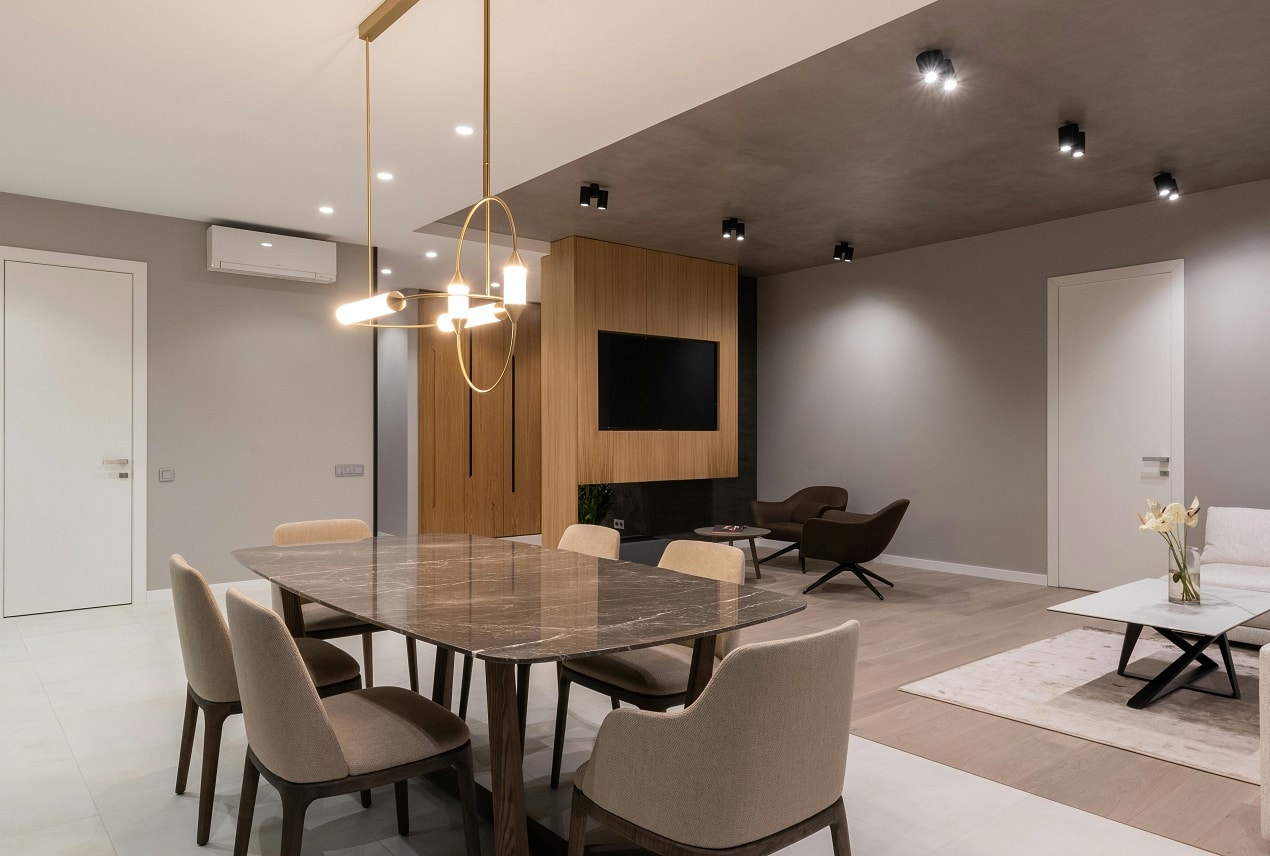
When it comes to creating a home that feels inviting, stylish, and functional, lighting is often the unsung hero of interior design. While furniture, color schemes, and décor certainly catch the eye, it is the lighting that sets the mood, highlights the design, and transforms spaces from ordinary to extraordinary. Good lighting goes beyond simply illuminating a room. It shapes how we experience it.
Lighting Sets the Mood
One of the most powerful effects of lighting is its ability to influence mood. Warm, soft light can make a living room feel cozy and relaxing, perfect for unwinding after a long day. Bright, white light in a kitchen or workspace can boost focus and energy. By carefully choosing lighting fixtures and positioning them thoughtfully, interior designers can create distinct atmospheres within a home, turning even a modest room into a carefully curated experience.
Highlights Design Features
Good lighting does not just illuminate. It accentuates. Architectural details, artwork, and textures that might go unnoticed in dull lighting suddenly become focal points when lit correctly. For example, strategically placed spotlights can bring out the beauty of a textured wall, while under-cabinet lighting in a kitchen makes countertops more functional and visually appealing. In essence, lighting acts as the stage for the rest of your interior design, ensuring every element is seen in its best light.
Enhances Functionality
Practicality is just as important as aesthetics. A well-lit room makes daily activities easier and safer. Kitchens need task lighting for chopping and cooking. Bathrooms require clear illumination for grooming. Home offices demand light that reduces eye strain. Layering different types of lighting such as ambient, task, and accent ensures that spaces are both beautiful and usable.
Creates the Illusion of Space
Lighting also has the power to alter perceptions of a room’s size and shape. Bright, evenly distributed light can make a small space appear larger, while clever placement of lamps and fixtures can highlight open areas and draw attention away from corners that feel cramped. Mirrors combined with well-placed lighting further amplify this effect, reflecting light and adding depth to the space.
A Statement of Style
Lighting fixtures themselves are a key design element. A chandelier can serve as the centerpiece of a dining room, while sleek floor lamps add a touch of modern sophistication. Pendant lighting, in particular, has grown in popularity as both a functional and decorative element. Choosing pendant lighting from City Lights, for example, allows homeowners to incorporate unique designs that complement their décor while providing essential illumination. From minimalist industrial styles to elegant glass designs, these fixtures make a bold statement without overwhelming the space.
Summing It All Up
In interior design, lighting is far more than a practical necessity. It is an essential tool for shaping mood, highlighting design, enhancing functionality, and defining style. Thoughtfully selected and positioned lighting elevates every room, ensuring your home not only looks beautiful but feels welcoming and harmonious. Investing in the right lighting solutions can transform your interiors and bring your design vision to life in ways that furniture and paint alone simply cannot.