

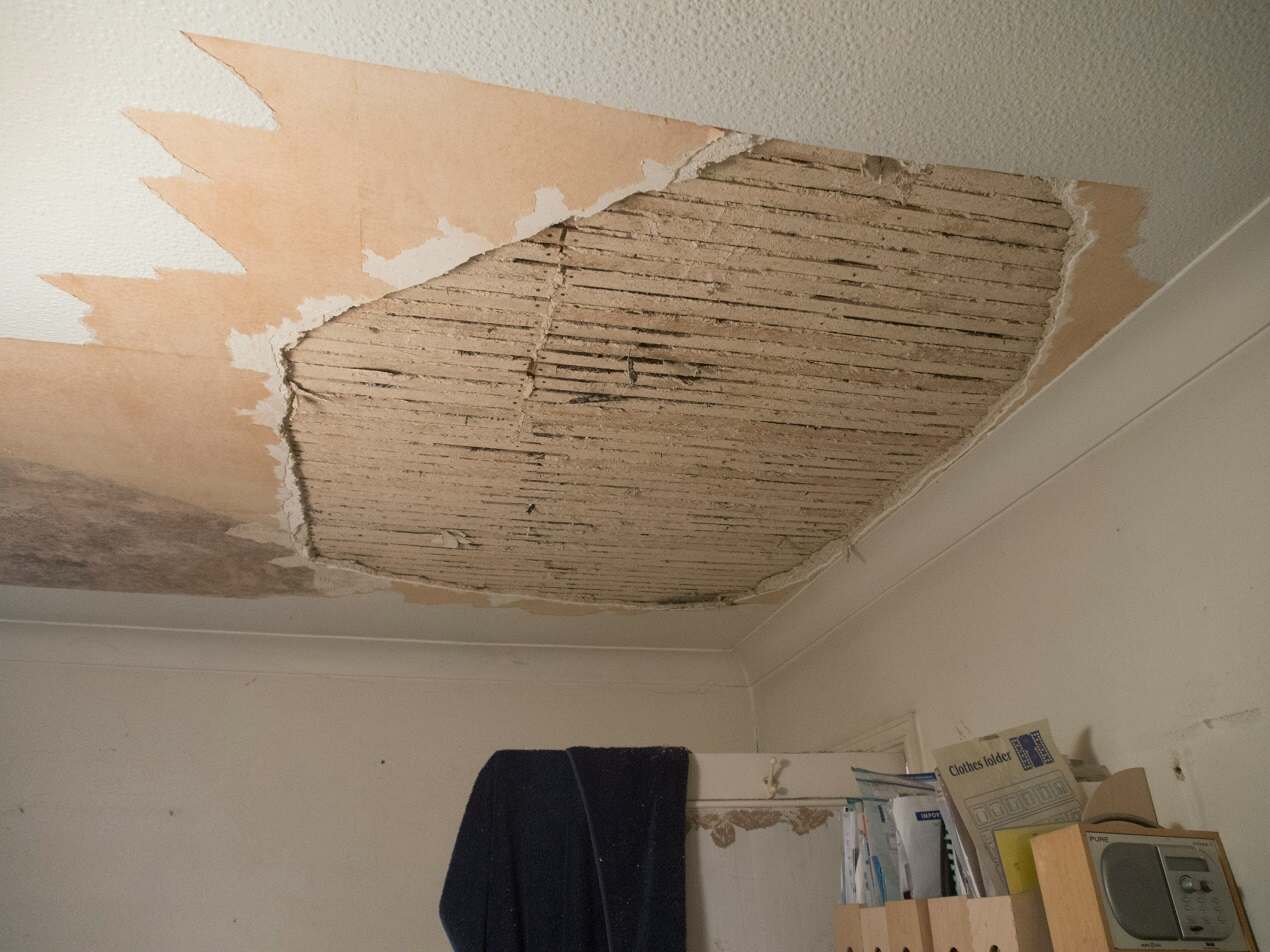
Curious how to prevent damage to your home?
Water damage might be your most expensive disaster and home emergency ever. Each day, 14,000 families in the United States face water damage emergencies in their homes. Here’s the worst part? Most homeowners know zero about water damage restoration when disaster hits.
The good news? When you understand what to do when water damage occurs at your property, you can prevent wasting thousands of dollars and weeks of misery.
In this post:
- The Truth About Water Damage Costs
- First Steps Every Homeowner Must Take
- Prevention Methods You Should Know
- Tips for Hiring Professional Help
The Truth About Water Damage Costs
Let’s start with something that will make you lose your sleep at night…
Even 1 inch of water inside your house can cause damages worth up to $25,000. Yes, that’s 1 inch of water – and no typo on that amount.
A minor washing machine overflow, a leaking sink, or a burst pipe in your bathroom can easily lead to a financial nightmare. And if water damage isn’t taken care of fast, you’ll start facing expensive issues – mold, structural damages, and damaged property and personal belongings that can never be replaced.
First Steps Every Homeowner Must Take
Here’s the thing about water damage…
Timing is of the essence. The first 24 hours when water invades your home are crucial for damage control and avoiding long-term issues. This is exactly why professional water removal nyc services emphasize immediate response for home repairs – waiting for even a few hours when water sits in your house can turn a relatively easy issue into a major problem.
Within 1 hour: water has already seeped into carpets and padding, wood floors, drywall and insulation, furniture, and personal belongings.
After 48 hours: we’re looking at mold and structural damages.
Immediate Steps You Should Take
Biggest mistake homeowners make?
Waiting until the last minute. At the time when you notice water damage, you should spring into action. Here’s what to do first.
Turn Off The Source: seems like a given, right? But many people try to clean and dry their property before stopping the water. Find where the water is coming from and make it stop – whether it’s a shut-off valve or an emergency call for a plumber.
Take Photos: take out your smartphone and start taking pictures. Document the water source, damage, and ruined property. Your insurance company is going to need this evidence, and you can’t rely on memory at a later stage.
Eliminate Standing Water: remove the standing water as soon as possible. Use mops, towels, or a wet vacuum. The longer the water sits on your property, the more damage it will cause.
Here’s something homeowners often don’t know…
Standing water – being out in the open – isn’t the only problem when water hits your home. There’s more moisture and water hidden in your walls, floors, and furniture. This is when professional-grade equipment becomes critical.
Hidden Dangers Homeowners Should Look For
Fun fact: 98% of basements are prone to water damage at some point in time.
Meaning that almost every homeowner in the country is going to have to deal with this problem at some point in life. But it’s not the visible damage you should look for when water is present. It’s the things you can’t see that cause you the most problem.
The Mold Issue: mold starts to grow only after 24-48 hours from the water source. It travels through walls, under the floors, and in places you’ll never see until it becomes a major health problem. Mold means professional remediation on top of your water damage restoration.
Structural Damage: everything weakens when water starts to affect it. Wood swells and bends. Drywall crumbles and peels. Support beams and studs lose their strength. A small leak can, in fact, turn to a major structural issue for your home when it isn’t dealt with properly.
Prevention Methods You Should Know
Here’s what you should do if you are a smart homeowner…
You should never wait for the disaster to come. You should act and take steps that protect your home before anything happens. Most of these prevention tips are not rocket science, and they aren’t expensive either.
Regular Inspections: walk around your home and take a look every few months. Look for soft spots on the walls or ceiling, musty odors in the basement, stains or discoloration, dripping faucets and pipes, and cracks in the foundation. Catching issues early means a minor repair and not a major disaster.
Plumbing Maintenance: your pipes aren’t built to last a lifetime. Especially if you own an older house, plumbing should be checked regularly for corrosion, loose joints, and potential burst points before it all falls apart.
Smart Gadgets: modern houses can employ the use of water sensors and automatic shut-off systems. They detect leaks and will stop the water from flowing before any major damage is done. Most of these gadgets are becoming cheaper every year and can literally save your property.
Tips for Hiring Professional Help
Let’s talk about something important…
Water damage restoration is one of those areas when most of the times you are better off calling a professional. You can mop a small mess from your overflowed sink or spilled water jug on the kitchen floor, but when serious water intrusion has happened, you need expert equipment and knowledge.
Call Pros When:
- the water has been sitting in your home for more than 24 hours
- water has come from outside – flooding, storm damage
- water is coming from sewage or from contaminated sources
- water has reached walls, floors, and ceilings
- mold is present and has been spotted by you
Professional restoration teams come with special equipment, which regular homeowners can’t access. Truck-mounted extractors, commercial-grade dehumidifiers, air movers, and moisture meters that detect water which you will never be able to see on your own.
Insurance Is A Factor, Too
Here’s something that will trip most homeowners in the country…
You must know that water damage is not always covered by basic home insurance policies. A majority of them cover “sudden and accidental” events, like burst pipes and similar. Slow leaks and gradual damages from neglected issues often aren’t covered.
Flood damage from outside is a separate insurance, too. And in case your insurance company decides that the damage was caused by poor maintenance and negligence on your part, your claim is liable to be denied.
You always need to read your policy with a fine-tooth comb and know exactly what’s covered and what’s not before the disaster hits you.
Action Plan Going Forward
Water damage at your residential property doesn’t need to become your worst nightmare. When you know what to do and what not to do, you can be in the best position possible.
Act Immediately: when you notice water damage at your home, spring into action. The faster you are to respond, the more issues you will be able to prevent or reduce.
Document: take photos, take videos, document everything for your insurance company. You will be grateful you did so later.
Don’t Underestimate The Invisible Moisture and Mold: hidden water and mold that starts to grow after 48 hours from the moment when water entered your home are a real pain. Do all you can to deal with them effectively.
Prevention: prevention is always better than cure. Take all the prevention steps to ensure that your home is as safe from water damage as possible.
Professional Help: professional help isn’t a plus or something you call when you are finished with DIY water damage restoration. In most cases, you should call professionals as soon as possible. When in doubt – call pros.
Protecting Your Investment
Your home is most likely your biggest investment. Making sure you protect it from water damage needs to be at the top of your list of things to do.
Start by inspecting your home today. Check those pipes, test the sump pump and resolve small issues before they all turn into major disasters. Schedule a regular maintenance, and stick to it.
If water damage still happens? Don’t panic. Do the things mentioned in this article, call the professionals, and get it all done professionally and methodically. The homeowners who end up in the best position are those who keep their calm, act quickly, and call for expert help when it’s due.