

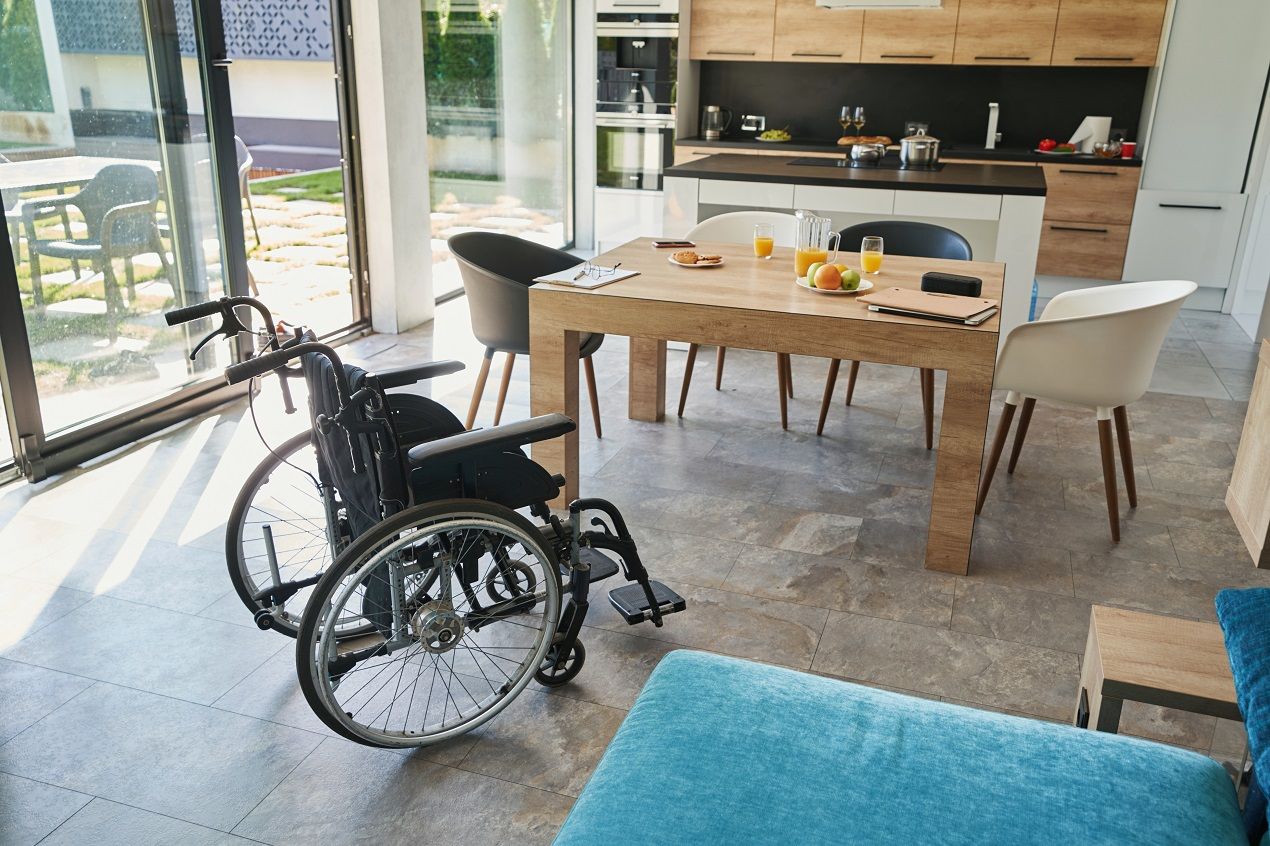
Home improvement decisions tend to fall into two categories: the upgrades that look good, and the ones that genuinely change how a home works. The best projects do both. Accessibility modifications are increasingly landing in that second category, particularly for homeowners thinking beyond the next five years.
As multi-generational living becomes more common and the population of adults over 65 grows steadily, homes that function well across different mobility levels are attracting more attention from buyers and renovators alike. The changes involved are not dramatic. But the functional difference they make is.
Start With the Staircase
In a two-storey home, the staircase is the single point of friction that most limits how long the house works for everyone in it. A parent who can no longer reliably use the stairs is effectively cut off from a floor of their own home. The solutions are limited: reconfigure the ground floor into a full bedroom and bathroom, install a platform lift, or put in a mechanical chair system.
The third option is the most commonly chosen, and for good reason. Understanding the stairlift cost before committing is a sensible first step: straight-staircase models are considerably less expensive than curved systems, which are custom-built to fit a specific stair layout. Prices in Canada typically run from $3,000 to $15,000 depending on type and staircase complexity, with installation usually completed in a single day and no structural changes to the home required.
A home stairlift folds flat when not in use, leaving the staircase fully accessible to everyone else. The chair runs on a wall-mounted track attached to the stair treads, not the walls. The result is a modification that is fully reversible and leaves no permanent mark on the home if removed.
The Financial Case for Acting Early
Accessibility modifications made before they become urgent tend to cost less and cause less disruption than those installed under pressure. A family researching options after a fall is in a weaker negotiating position and often makes rushed decisions. A family that assesses the home and plans ahead can compare providers, check timelines, and make a considered choice.
There is also a real estate argument. Homes that have been modified thoughtfully for accessibility appeal to a broader range of buyers, particularly as the average buyer age rises. A stairlift already in place is not a drawback for someone who needs it. For buyers who do not, it is easily removed. And the presence of other accessibility features, grab bars in solid-colour finishes, lever hardware on every interior door, a step-free entry, adds up to a home that reads as genuinely well-maintained.
The Other Changes Worth Prioritising
Beyond the staircase, the modifications that offer the best return on effort are targeted and inexpensive:
- Bathroom: a walk-in shower with a fold-down seat and a grab rail is the most-used accessibility upgrade in the home. Modern designs integrate seamlessly with standard bathroom finishes.
- Doorways: widening interior doorways to 34 inches clear improves everyday use for everyone, not just mobility aid users. It is more disruptive than other changes but significantly extends the usable life of the home.
- Lighting: adding motion-activated lighting in hallways, on staircases, and in the bathroom reduces fall risk at near-zero cost.
- Hardware: replacing round knobs with lever handles on interior and exterior doors is a half-day job that immediately makes the home easier to use.
None of these changes have to happen at once. A phased approach lets homeowners prioritise the highest-impact modifications first and spread the cost over time. The staircase is almost always the right place to start.
What to Ask Before You Commit
Before choosing a stairlift or any other modification, three questions worth settling: Is the staircase straight or does it have any bends or intermediate landings? What is the load capacity required? And who will service the unit if something goes wrong after installation?
A reputable supplier will assess the staircase before recommending a product. Any company that quotes without a site visit is guessing. The installation is straightforward; the assessment is where the real expertise shows up.