

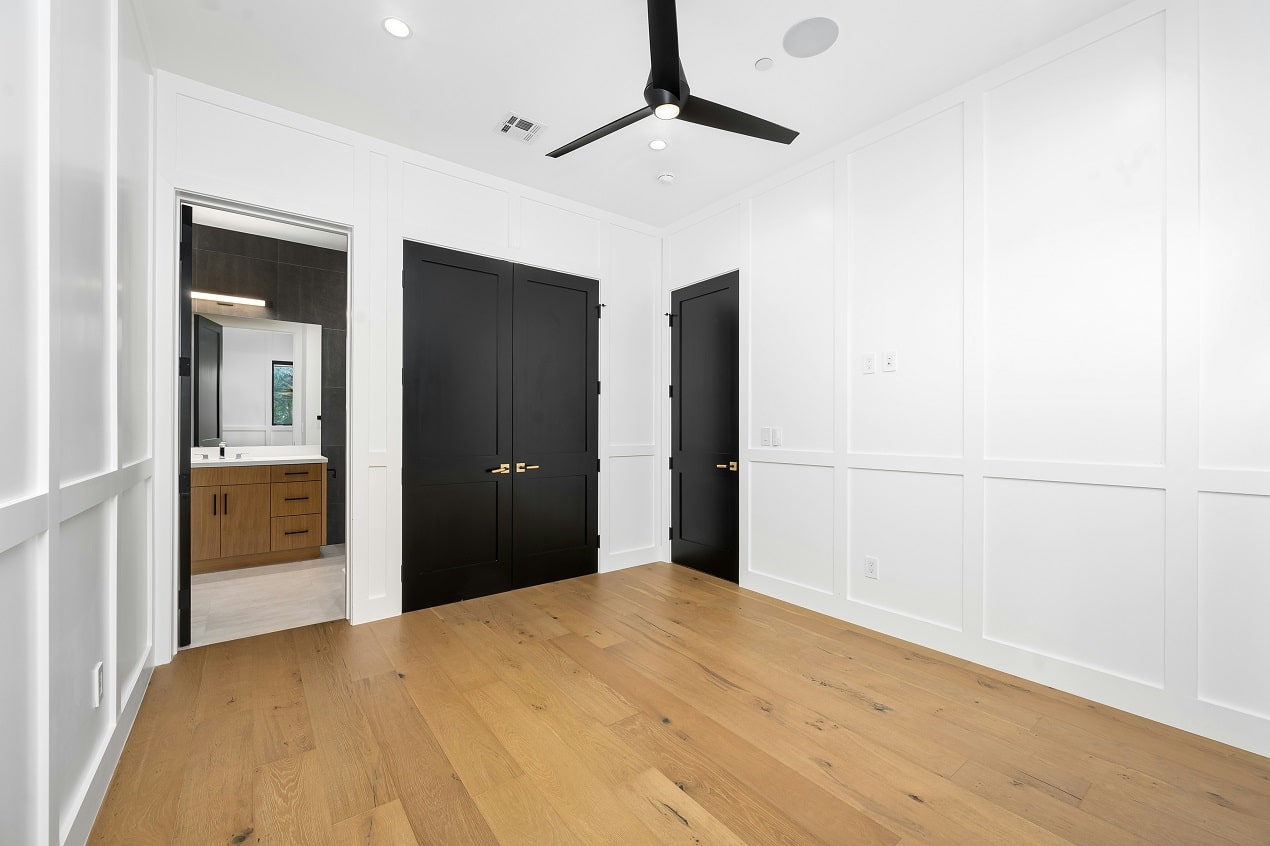
Interior doors, flooring, and wall colors are essential elements that shape the atmosphere of a space. When these elements are carefully chosen, they create a sense of continuity and comfort that influences how a room feels and functions. Visual dissonance between surfaces can create subtle tension that makes a room feel uninviting, even if all the materials are individually attractive. Designers often point out that people rarely notice a door, but when it conflicts with the surrounding floor and wall tones, it becomes an unconscious point of discomfort. Light reflection, spatial perception, and the way colors interact with natural daylight are all factors that are affected by these surfaces. Many homeowners and interior professionals emphasize observing the room at different times of day to see how the materials interact under changing light conditions.
Flooring as the foundation for door choices
Flooring covers the largest continuous surface in a room and sets the visual base for all other finishes. The type of material affects how doors appear, as light interacts differently with wood, laminate, or tile. Wood flooring carries subtle undertones that can change the perception of adjacent surfaces. Warm oak tends to highlight yellow and golden tones while cooler ash or gray-washed planks create a more neutral or muted effect. The pattern and texture of the floor are also significant. Natural variations in grain can create a visual rhythm that needs to be complemented by the doors. Ignoring these subtleties can result in doors that look slightly off, even if their color seems appropriate in isolation. Professional designers often recommend laying door samples directly on the floor and observing them under different lighting conditions before making a decision. Stone or ceramic tile floors have reflective properties that can influence the perceived saturation of door finishes, so testing in the actual environment is crucial.
Balancing color temperature and contrast
Color temperature is a crucial consideration when matching doors to floors and walls. Warm colors such as walnut, cherry, or creamy finishes give a sense of richness and approachability, while cooler colors like espresso, gray, and white with blue undertones create calmness and sophistication. Contrast can add interest and depth but should be deliberate rather than accidental. Rooms with high natural light can accommodate more dramatic shifts, while low-light spaces benefit from subtle, harmonious transitions. Walls play a mediating role, affecting how both floors and doors are perceived. Lighter wall tones reflect more light and create a sense of space, allowing doors to either blend or stand out depending on the intended effect. Testing how these surfaces interact across the day ensures that undertones align and the overall palette feels balanced.
Style, texture, and grain matter
The texture and grain of doors influence their perceived compatibility with flooring. Smooth minimalist doors can appear disconnected when paired with textured, rustic floors, while subtle alignment of grain or finish creates cohesion even when tones differ. The overall style of the room affects how these elements are interpreted. Interiors inspired by Scandinavian design favor light wood and pale finishes with minimal contrast. Industrial interiors often incorporate darker doors with concrete or gray-toned floors, emphasizing clean lines and structured surfaces. Classic interiors focus on warmth, using natural wood textures and creamy wall tones. Consistency in material type, finish quality, and surface texture ensures that doors do not feel separate from their surroundings but rather part of a deliberate design language. Door edge profiles and paneling can subtly interact with floor patterns to enhance visual flow, making rooms feel more considered. Even hardware finishes such as handles and hinges can influence the perceived relationship between doors and flooring, reinforcing the intended style of the space.
Light, space, and perception
Lighting dramatically changes the appearance of doors, floors, and walls. Natural sunlight shifts in intensity and angle throughout the day, while artificial lighting alters the perception of warmth or coolness. Light-colored doors reflect more light and make a room feel more expansive, while darker finishes provide depth and definition but can make spaces feel smaller if overused. Ceiling height and room size also influence the choice of door color. Smaller rooms benefit from continuity between walls and doors, which maintains a sense of openness. Larger rooms can handle stronger contrast that draws attention to architectural features. The interaction between materials and light is complex, and testing samples in the actual room is a practical step to ensure that the surfaces work together under real conditions rather than only in photographs or showrooms. Shadows cast by door frames can affect the apparent tone of the walls and flooring, making subtle undertone mismatches more noticeable. The position of windows and the quality of artificial lighting should be evaluated to anticipate how finishes will be perceived throughout the day and night.
Quality and long-term considerations
The durability and finish of doors affect both their appearance and longevity. High-quality finishes resist fading and damage from everyday use, maintaining their original tone for years. Hardware, edges, and surface treatments contribute to how well the doors integrate with floors and walls over time. Selecting interior doors from SotirovDoors provides precision in material stability and finishes, which helps preserve the intended color relationships between doors, floors, and walls. Considering wear patterns, foot traffic, and cleaning methods ensures that the design remains consistent. Observing how doors perform in similar conditions and testing finishes in situ can prevent mismatches that develop with age, creating a space that is cohesive, functional, and visually comfortable for daily living.
Successfully matching interior doors with flooring and wall colors requires careful observation, attention to material undertones, and consideration of light and space. Each choice affects how a room feels, from perceived openness to visual flow. Evaluating textures, grain patterns, and finish quality ensures that doors integrate seamlessly with surrounding surfaces. Testing samples under natural and artificial light allows for accurate assessment before final installation. Long-term durability and maintenance considerations help preserve the harmony of the space over time. By approaching door selection with a thoughtful, informed process, homeowners and designers can create interiors that feel cohesive, functional, and visually satisfying for years.