

Key Takeaways
- Formal living rooms are being replaced by more livable, family-friendly spaces.
- Designers are embracing bold colors, patterns, and textures to add personality.
- Flexible layouts and multifunctional furniture are becoming essential.
- Integration of smart home technologies enhances functionality and comfort.
Modern living room design is experiencing a remarkable transformation, moving away from the stiff formality of past decades and embracing comfort, flexibility, and personal expression. Today’s spaces prioritize both functionality and personality, ensuring homes serve as true reflections of the people living in them. As homeowners explore new styles and innovative solutions, the focus shifts from staged, untouched rooms to lively, welcoming hubs for daily life and entertaining. For those seeking to update their space, working with home remodeling New Jersey teams can help bring modern living room trends to life with practical expertise and regional style insights.
This evolving approach to living room design highlights the growing importance of individual taste and the integration of technology in home environments. As lifestyles shift and the need for versatility rises, today’s living rooms are more adaptable and responsive to everyday needs. Homeowners find greater value in curated comfort over cookie-cutter styles, leveraging both expert guidance and personal creativity.
Rethinking Formal Living Rooms
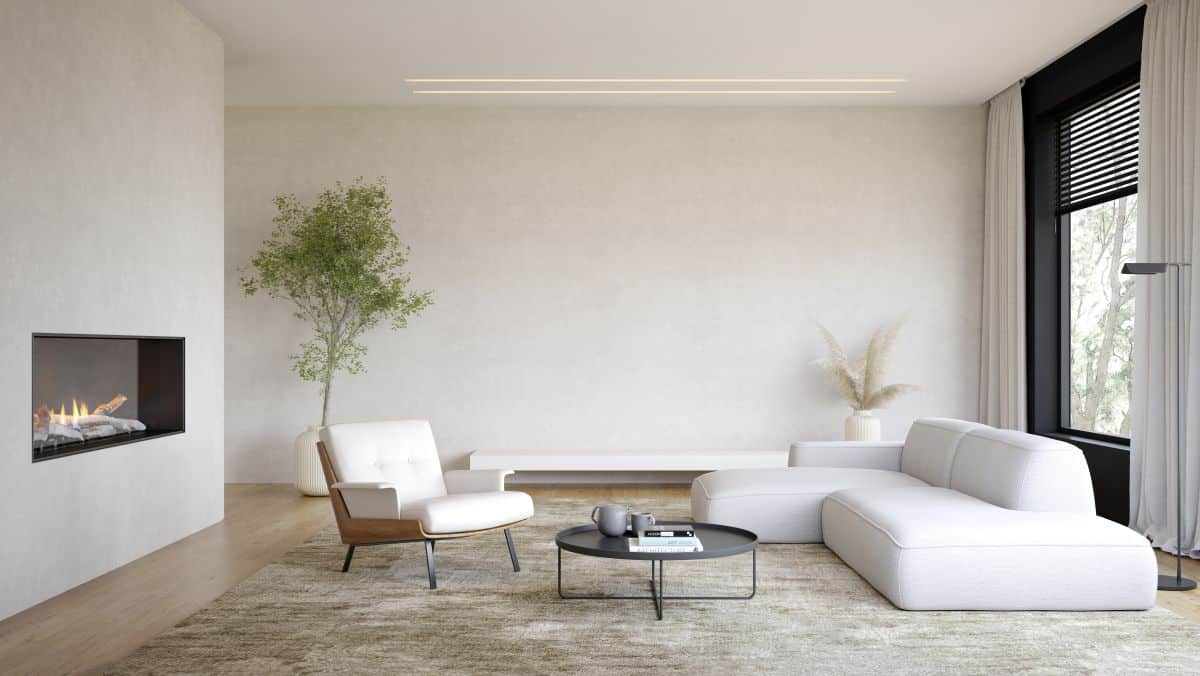
The once-popular formal living room, reserved for guests and seldom used, is rapidly fading from modern home layouts. Designers observe that these untouched, “museum-like” spaces are no longer suited for families craving comfort and versatility. Contemporary living rooms are now designed for routine enjoyment, supporting relaxed gatherings, play, work, and entertainment. This paradigm shift makes the heart of the home a destination for both lively activity and daily relaxation.
Embracing Bold Colors and Patterns
The all-neutral palette that dominated much of the 2010s is being replaced by a striking new wave of color and pattern. Interior designers are introducing saturated hues like vivid reds, deep blues, and energetic yellows. The “Primary Play” trend exemplifies this movement, injecting personality and vibrancy into living spaces. Beyond color, contemporary patterns and textures, such as geometric wallpapers or woven throw blankets, help create unique environments that feel cheerful and inviting. This transition reflects a desire to move from minimalism to expressive, individual statement-making in home decor. Resources like Livingetc offer further insight into trending hues and artistic inspiration for living rooms.
Flexible Layouts and Multifunctional Furniture
A modern living room is defined by its ability to adapt to a wide range of activities. Increasingly, families are choosing flexible layouts that can be easily rearranged to suit various needs, such as working from home, movie nights, or parties. Dual-aspect sofas are especially popular. These can be oriented in multiple directions so the entire space remains open, connected, and visually appealing. Multi-use furniture, like storage ottomans and nesting tables, not only saves space but also adds functionality, creating a seamless blend between style and practicality.
Integration of Smart Home Technologies
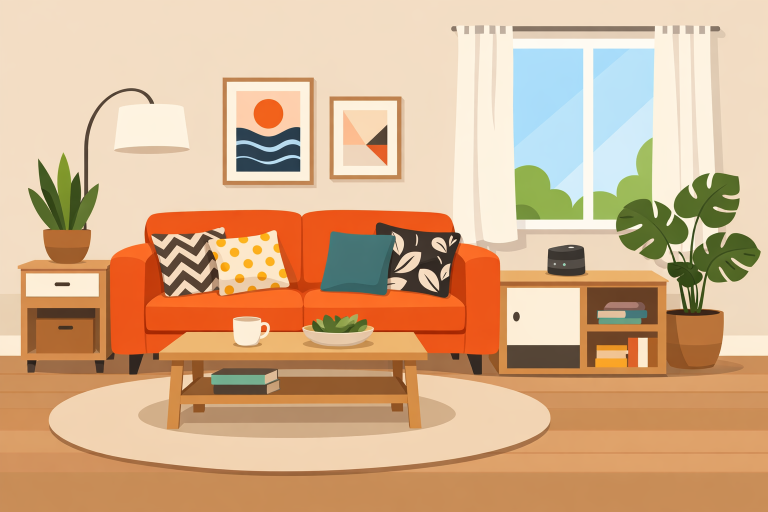
Smart home features are rapidly becoming standard in living room design. Technology such as voice-activated lighting, programmable thermostats, and fully integrated sound systems can be managed with smartphones or automated hubs to simplify routines and boost comfort. This thoughtful integration transforms living rooms into intelligent, supportive environments. As highlighted by The New York Times Wirecutter, the latest innovations in smart home technology are reshaping our understanding of domestic life and convenience.
Sustainable and Natural Materials
Sustainability has become an essential part of interior design, leading to a renewed interest in natural materials and eco-friendly products. Wood, stone, glass, and organically sourced textiles not only look beautiful, but they also minimize environmental impact and contribute to healthier indoor air quality. These materials bring warmth, texture, and authenticity to living rooms, marrying comfort with responsible consumer choices.
Personalization and Eclectic Decor
Modern living rooms celebrate personality and personal history. Homeowners are increasingly opting for eclectic decor, mixing new designs with vintage pieces, family heirlooms, or souvenirs from travels. Whether it is a colorful rug bought overseas or an inherited lamp, the layering of unique objects tells a story and infuses the space with character. Designing with this philosophy ensures no two living rooms look alike, and each becomes a meaningful extension of its inhabitants.
Biophilic Design Elements
Bringing nature indoors, also known as biophilic design, offers notable physical and psychological benefits. Adding plenty of living plants, maximizing natural light, or installing features like water fountains helps cultivate a calming atmosphere and even improves well-being. In urban environments where green spaces can be scarce, these design choices allow for daily connections to nature, promoting serenity and reduced stress.
Conclusion
Modern living room design is centered around livability, self-expression, and thoughtfully integrated technologies. By prioritizing comfort, personalization, and sustainable choices, today’s homeowners are redefining what it means to have a welcoming and inspiring main living space. Each element, from bold colors to flexible furniture, contributes to an environment that supports contemporary lifestyles and personal narratives.