

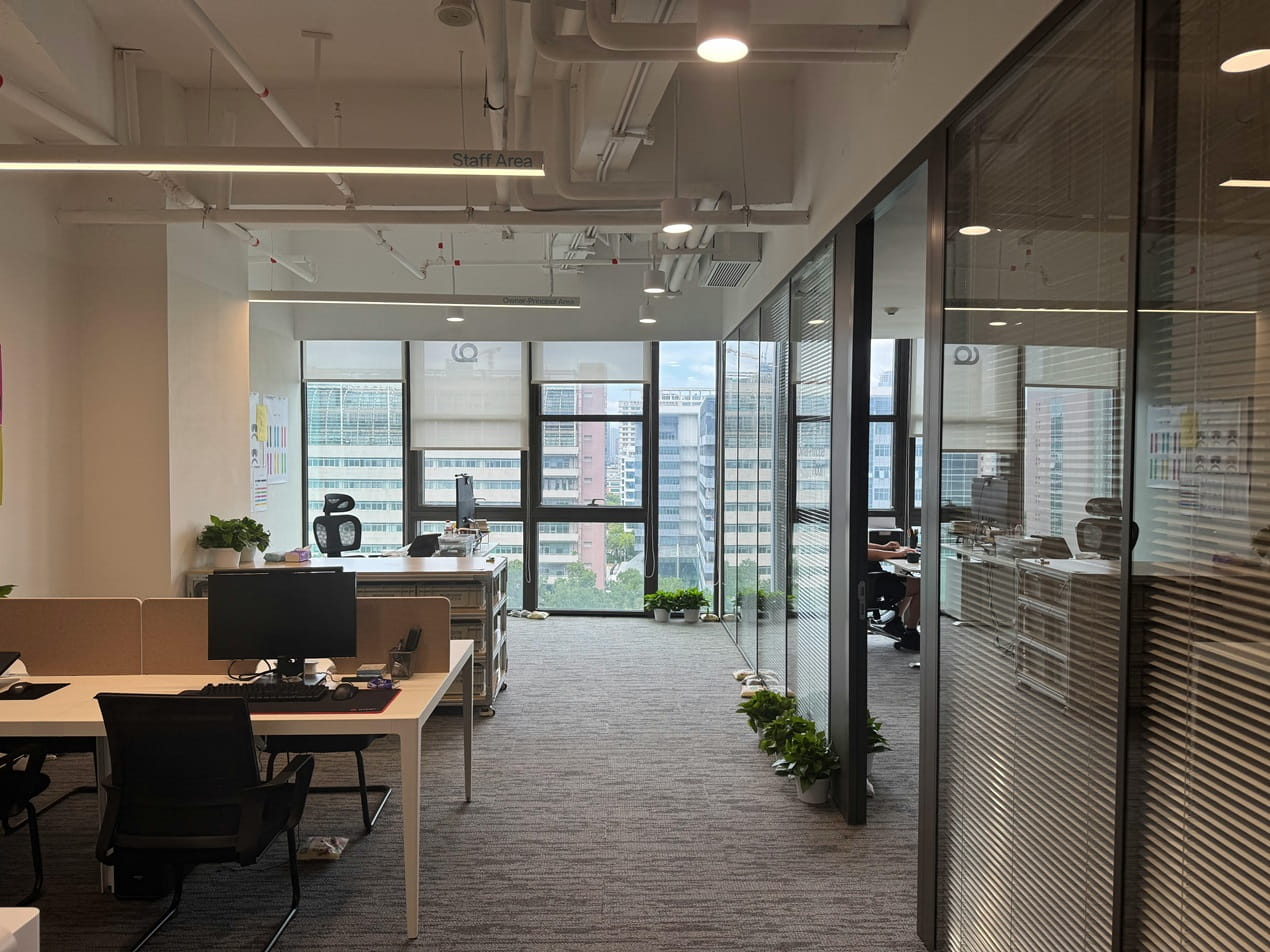
Choosing the right office size starts with understanding your team size, growth plans, and how your business operates daily. The ideal space should comfortably fit your current employees, allow room for expansion, and support productivity without unnecessary costs. When searching for office space for rent (this is commonly referred to as พื้นที่เช่าสำนักงาน in Thai), businesses should focus on flexibility, layout efficiency, and future scalability rather than just square metres.
1. Start with Your Team Size and Work Style
The most important factor in selecting office space is how many people will use it and how they work. A traditional office setup requires more space per employee, while hybrid or flexible setups need less. Businesses today are also adapting to hybrid work, meaning not all employees are in the office at the same time.
As a general guide, allow enough room for desks, meeting areas, and shared spaces. Avoid overcrowding, as it can reduce productivity and employee satisfaction.
2. Plan for Future Growth
Many businesses make the mistake of renting space based only on current needs. However, growth can happen quickly, especially for startups and expanding companies.
Choosing a slightly larger space or one that allows expansion is a smarter long-term decision. For example, modern developments like Rangsit Business Park offer flexible office sizes ranging from smaller units to large-scale spaces, making it easier to scale as your business grows.
3. Consider Layout Efficiency, Not Just Size
Office size is not just about square metres, but how efficiently the space is used. A well-designed office can accommodate more people and functions without feeling cramped.
Look for:
-
Open-plan layouts for collaboration
-
Private meeting rooms or breakout areas
-
Storage and operational zones
Buildings designed with flexibility in mind allow businesses to customise layouts based on their needs, improving overall efficiency.
4. Factor in Business Operations
Different industries require different office setups. For example:
-
Client-facing businesses need reception and meeting spaces
-
Creative teams need collaborative areas
-
Corporate teams may need structured desk layouts
The right office size depends on how your team interacts and operates daily. It is not a one-size-fits-all approach.
5. Location and Accessibility Matter
Office size should also align with location advantages. A slightly smaller office in a strategic location can deliver better results than a larger one in a less accessible area.
Business hubs like Pathum Thani offer strong connectivity, proximity to airports, and access to industrial zones, making them ideal for growing companies.
6. Balance Cost and Value
Larger spaces come with higher rental costs, utilities, and maintenance. Instead of choosing the biggest office you can afford, focus on value:
-
Does space support productivity?
-
Can it adapt to your business growth?
-
Are there amenities that reduce additional costs?
A right-sized office helps optimise costs while maintaining efficiency.
Choosing the right office space size is about balancing current needs, future growth, and operational efficiency. By focusing on layout, flexibility, and location, businesses can secure a workspace that supports long-term success without overspending.
If you are looking for a flexible and scalable office solution, Rangsit Business Park offers modern office spaces designed to grow with your business. Explore their options today and find the ideal workspace tailored to your needs.