

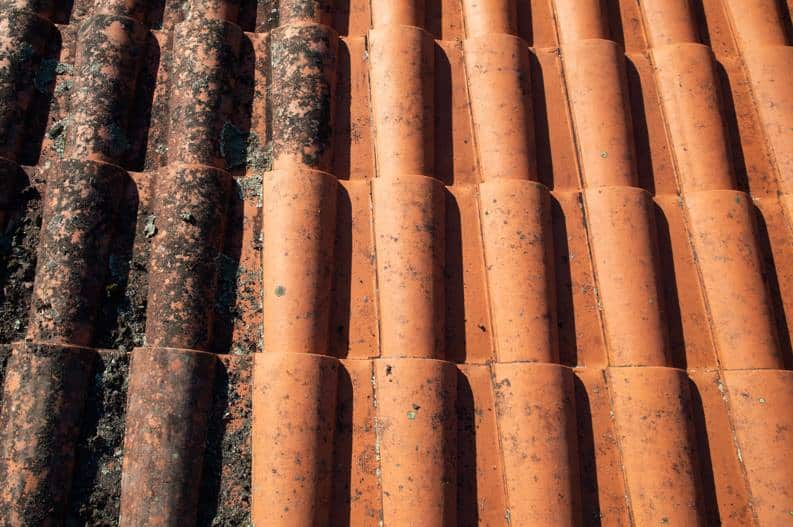
House roofs, given their position, can gather ugly stains, algae, moss, and other stubborn dirt. These materials make the roof look disgusting. Moreover, if left unattended for extended periods, they can cause rotting and damage to the roofing material, in which case you’ll have costly repairs to tackle.
You must keep the roof in good condition to maintain its new look and structural soundness. While many homeowners resort to pressure washing, this cleaning technique can cause damage to delicate roofing materials, such as shingles, tiles, and wood, especially if done at a high pressure or wrong angle.
A suitable alternative is soft washing. This uses low pressure and specialized cleaning solutions to remove dirt from the roof without the risk of damage. It also gets rid of bacteria and algae that can eat away at the roof’s surface.
With this said, you must know what it takes to soft wash your roof. Find below the details.
Choose the Right Company
Soft roof washing could indeed be a DIY project if your roof is small, not so dirty, and easy to climb. However, if you’re looking at an expansive roof with a significant accumulation of dirt, you’d better leave the cleaning task to professionals. Roof soft washing experts come with the right equipment for the job and clean your roof to the desired standards. This saves you time and the risk of accidents too.
Research the potential company’s experience and reputation. Have they been doing soft roof washing for some time? What do customers say about their job? Are their prices affordable and competitive? Such questions will help you choose professionals that you’ll enjoy working with and get the desired results.
Gather the Necessary Equipment and Materials
As is with any other maintenance task, you can’t get the desired results without the right equipment. Your first concern should be assembling all that’s needed to complete the job. Below is a list of the roof soft washing essentials:
- Soft wash pump: This delivers cleaning solutions at the desired low pressure. Gentle application of chemicals allows it to mix with mold, algae, and grime, breaking them down.
- Specialized nozzles: You’ll need nozzles designed to spread cleaning solutions evenly and efficiently across roof surfaces. The right nozzle will help you control the spray pattern and pressure, minimizing splashback and runoff. You may also want to use fan tips or adjustable-angle heads for better penetration of the cleaning solutions without stripping shingles or tiles.
- Cleaning agents: In most cases, soft roof washing cleaning agents include biodegradable surfactants and diluted sodium hypochlorite solutions. These compounds can kill organic growth like algae, mildew, and lichen. They’re also safe for the majority of roofing materials. To note, these cleaning agents are available in many variations, each designed for specific roof types.
- Safety gear: Working from heights is risky, so you must have the necessary safety gear. Make sure you have harnesses, slip-resistant boots, helmets, goggles, gloves, and respirators. Guarding yourself this way protects you from falls, chemical exposure, and debris.
With the right equipment, the roof cleaning job is as good as done.
Inspect and Prepare the Roof
Begin the cleaning job with a thorough inspection of the roof. Look out for any damaged or loose shingles. A hidden soft spot can cause a slip or fall, which can turn out to be catastrophic.
Next, blow out loose debris like leaves, twigs, pine needles, dirt, and branches. These usually accumulate in roof valleys, around vents, or near gutters. Use a leaf blower or air compressor, starting from the roof peak and working your way down. Clearing the loose debris ensures the cleaning agents get into direct contact with the roof surface. It also ensures proper drainage during the roof cleaning. Otherwise, blocked gutters can lead to runoff overflowing into the house, which may cause water damage to the house and your belongings.
As part of preparation, you may also want to protect the area around the house, especially if you’ve planted ornamental flowers. Letting the dirty water from the roof sprinkle on your plants isn’t advisable. You’ll mar their beauty. So, cover nearby plants with an appropriate house wrap.
Apply the Cleaning Solution
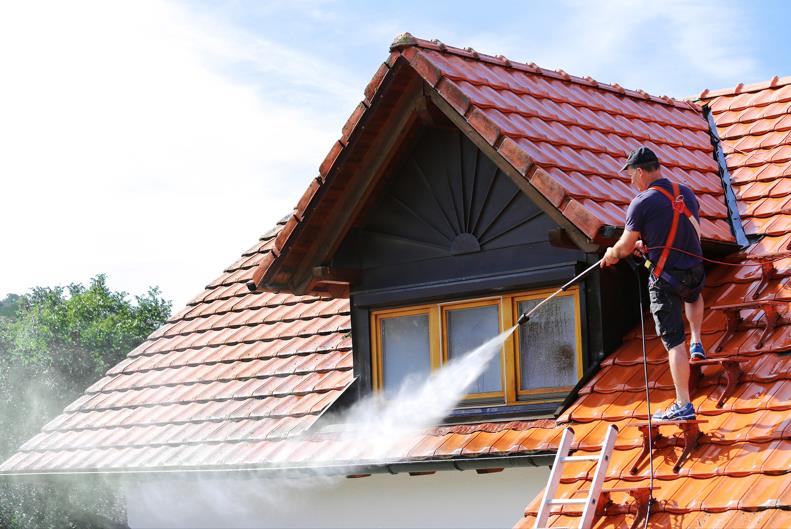
The cleaning solution of your choice will definitely have preparation instructions. Add the recommended amount of water and then apply the solution using a low-pressure pump.
It’s always good to start at the top and work your way down in a back-and-forth motion. Ensure you cover every inch of the roof, including the gutters and all tricky spots.
Once you cover the entire roof with the solution, don’t wash it off immediately. Allow it to sit for about 15 minutes. This lets the cleaning agent break out every iota of grime and organic growth.
Finally, rinse off the roof with a low-pressure pump. Another option is waiting for the rains to do the rinsing. This is equally effective and saves you the burden.
Conclusion
Roof soft washing is an ideal technique to get debris and organic growth off your roof. This way, you maintain its aesthetic appeal and elongate its lifespan. The trick is knowing how to do it right. The wrong approach can further damage the roof you want to look clean. While this can pass as a do-it-yourself project, you may still want to engage professionals for a more thorough job and to safeguard yourself from accidents.