

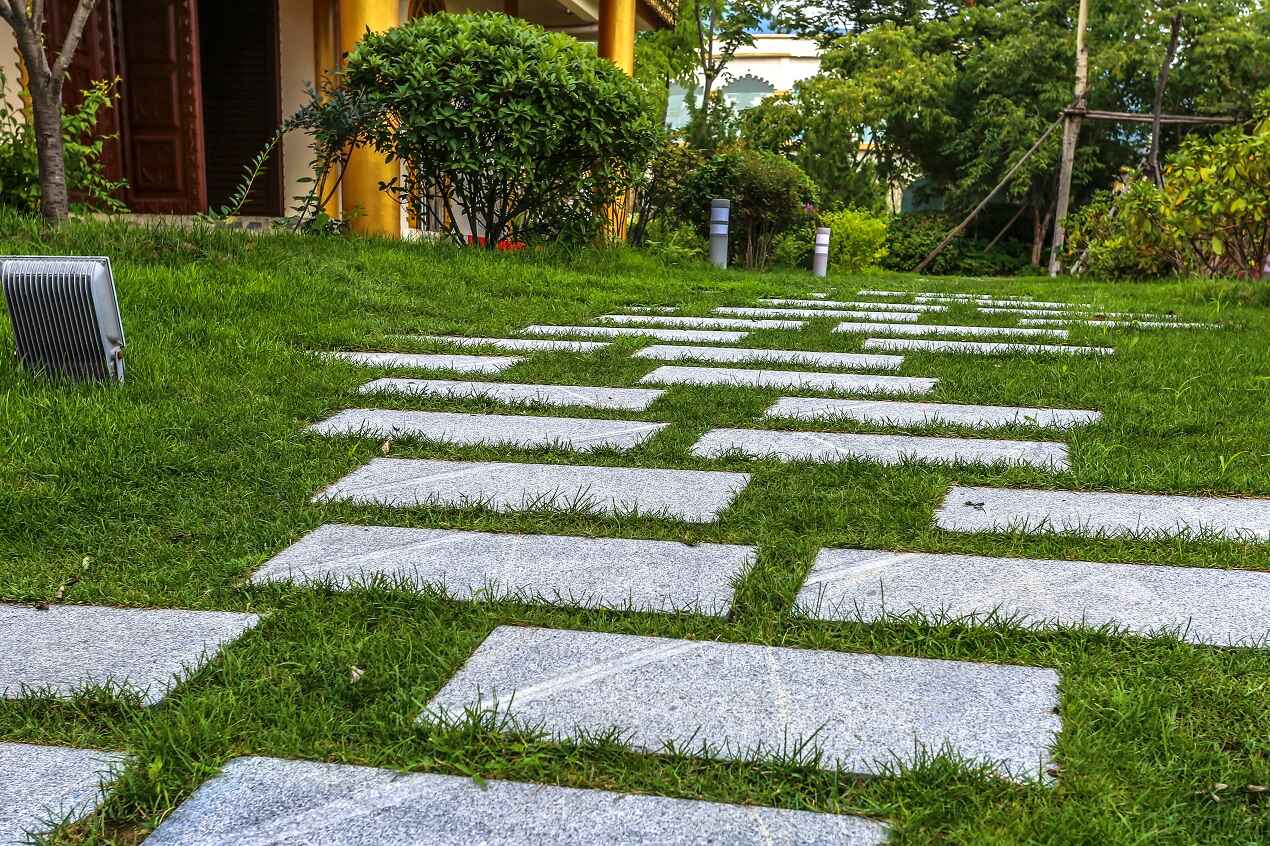
As someone who works with Landscapers Ipswich, a local landscaping company in Ipswich, the question about soft versus hard landscaping comes up regularly with clients. Understanding the difference helps clarify what any garden project actually involves and why both elements matter. They’re two sides of the same coin really, and getting the balance right between them determines whether a garden works properly or just looks like a collection of random features.
What Hard Landscaping Covers
Hard landscaping is all the structural, non-living bits in a garden. Patios, paths, driveways, walls, fences, pergolas, decking, and water features all fall under this category. Basically, if it’s made from stone, timber, concrete, brick, or metal, it’s hard landscaping.
These elements form the bones of a garden. They define spaces, create levels, provide access routes, and establish boundaries. A decent patio determines where people naturally gather. Retaining walls manage slopes and create usable terraces. Paths guide movement through the garden and stop lawn areas getting worn down by constant foot traffic.
The materials chosen need to withstand British weather year-round. Indian sandstone, porcelain paving, block paving, and natural stone all behave differently in terms of slip resistance and maintenance. Timber decking requires regular treatment to prevent rot, whereas stone paving might only need an occasional clean.
Installation requires proper groundwork. Excavation, sub-base preparation, drainage, and correct laying techniques all matter enormously. Cutting corners leads to sunken patios, cracked paving, and wobbly walls within a couple of years.
Understanding Soft Landscaping
Soft landscaping covers all the living, planted elements. Trees, shrubs, perennials, grasses, lawns, hedges, climbers, and ground cover plants. Essentially, anything that grows.
Where hard landscaping provides structure, soft landscaping brings colour, texture, seasonal interest, and life into the space. Plants soften harsh lines, provide privacy, attract wildlife, and change throughout the year. A garden with only hard landscaping feels stark. One with only soft landscaping often lacks definition and purpose.
This type of work requires different expertise. Understanding soil types, drainage, sun and shade patterns, mature plant sizes, and seasonal performance matters when selecting what goes where. Unlike hard landscaping, which generally looks its best immediately after installation, soft landscaping takes time to mature. Newly planted borders can look sparse for a year or two until everything fills out.
How They Work Together
The relationship between these two elements determines whether a garden actually functions. Too much hard landscaping creates a sterile feel. Too much soft landscaping without adequate paths or seating areas results in a space that’s difficult to use and maintain.
A typical garden might include a patio near the house, a lawn area for general use, paths providing access, and planted borders around the edges. The hard landscaping defines these zones whilst the soft landscaping brings them to life.
Proportion matters as well. In a small courtyard, hard landscaping might dominate out of practical necessity, with planting used strategically in raised beds. A larger garden might flip this balance, with extensive planted areas and hard landscaping limited to essential paths and a modest seating area.
Maintenance Differences
Hard landscaping maintenance is straightforward. Patios need sweeping and occasional jet washing. Timber structures need treating every few years. Nothing demands weekly attention.
Soft landscaping requires far more regular input. Lawns need mowing throughout the growing season. Borders need weeding, deadheading, and pruning. The level of maintenance varies depending on plant choices, but even low-maintenance schemes need ongoing attention.
This difference should influence the balance between elements. Someone with limited time might favour more hard landscaping with strategic planting of low-maintenance shrubs. An enthusiastic gardener might prefer extensive borders with just enough paving for essential functionality.
Making It Work
Budget allocation varies depending on priorities. Hard landscaping generally costs more upfront but requires minimal ongoing expense. Soft landscaping might cost less initially but demands regular maintenance and occasional replanting.
When planning a garden, hard landscaping typically gets installed first. There’s little point planting borders before machinery needs to trundle through to lay a patio. The disruption would damage anything already in place.
Both elements bring something essential. Hard landscaping provides the framework and functionality. Soft landscaping provides the beauty and connection to nature. Understanding these differences allows for better decisions that result in gardens people actually enjoy using.