

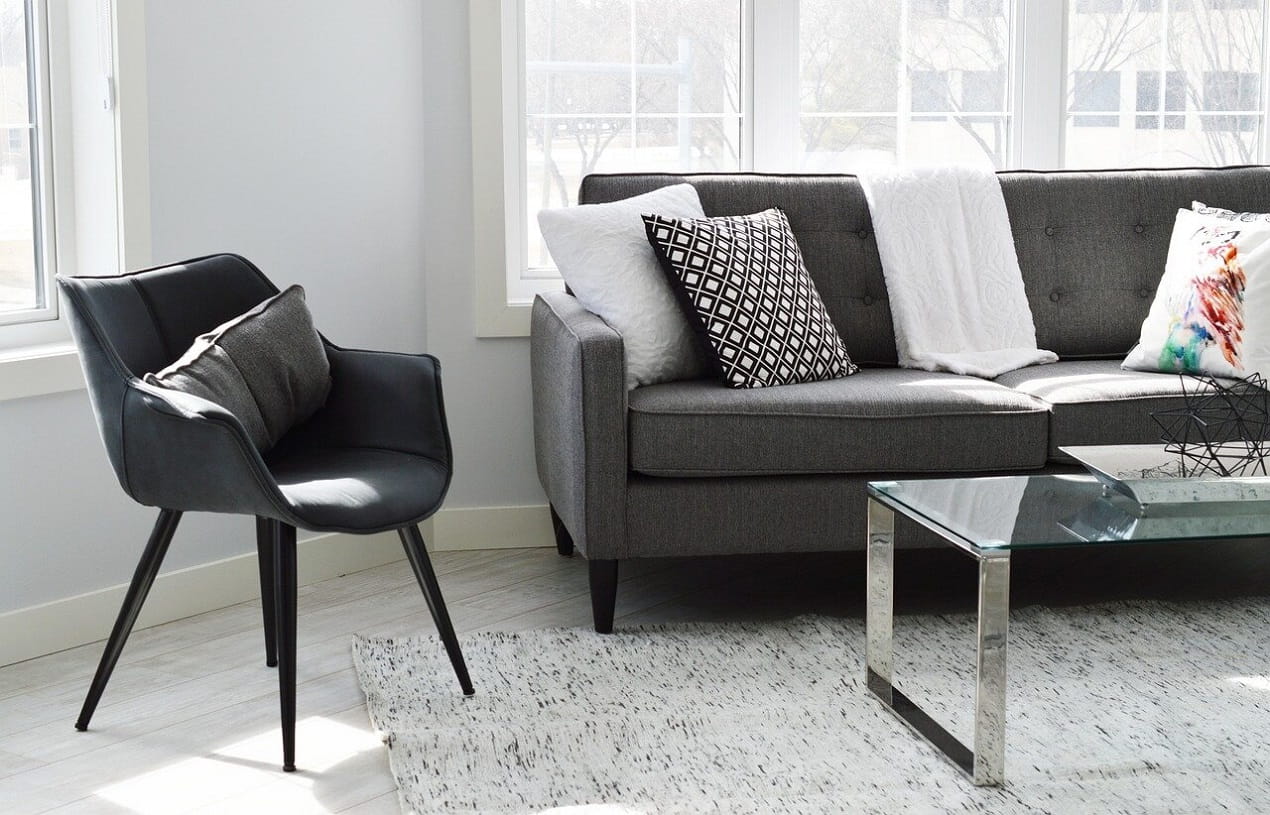
Color is always the focal point when people desire a room to look or feel different. The walls are repainted, new decoration is bought and furniture is relocated, but the space has a flat feel to it. The missing element is rarely another paint colour. More often, it is texture.
Texture makes a room come to life. It affects the way light bounces off of things, how they interact, and whether a room feels warm, calm, clean or lived in. Adding texture is not like a major house remodel. It doesn’t need contractors, or a lot of money. It’s just about seeing familiar things in a different way.
Every Surface Tells Part of the Story
Enter a room with painted drywall, polished furniture, glossy floor, and glass decorations. Nothing is amiss, but all things are competing for attention in the same visual vocabulary. Now try switching up a few things:
- Install a woven carpet under the coffee table
- Replace glossy ceramic vases with handmade pots
- Use linen curtains which diffuse sunlight rather than block it
The room suddenly takes a new dimension as the light reflects from each surface differently. The eye naturally glides through the space where materials meet without conflict. That subtle variation is what makes professionally designed interiors feel effortless.
Texture Works Best in Layers, Not Statements
Many people think that a single grand statement wall or piece of furniture will transform a room. Actually, texture works best when it is developed progressively. A leather chair looks more welcoming with a knitted throw. Timber shelving takes the hard edge off a stone fireplace. Even a simple cotton table runner can break up the uniform appearance of a wooden dining table.
Let Function Introduce Texture
The best design decisions are those that solve practical problems and enhance appearance. There is a ton of visual interest in storage benches with woven fabric, oak shelving, cane-front cabinets, and multifunctional furniture. And they all contribute to everyday use. Keep a theme of decorating for a purpose, and avoid adding items just to fill the space. Doing so will keep interiors tidy, functional, and manageable.
Don’t Forget the Elements That Move
Texture doesn’t have to be for fixed materials. Curtains that sway with the wind, leafy houseplants, and soft throws placed over a sofa bring movement to a room and keep it from being static.
Lighting further accentuates these details. Natural sunlight highlights the grain of wood, while warm evening light can tone down textured fabrics and stone surfaces. The room changes throughout the day without anything physically moving.
Comfortable Rooms Engage More Than Your Eyes
Creating something attractive is not the only purpose of good interior design. It’s about building a place that people gravitate towards. Features like soft upholstery and warm timber create a welcoming environment by providing some interesting contrast to the same surfaces throughout the room.
People searching for a bichon frise for sale are usually attracted to the breed’s soft, fluffy coat before any other factors. This proves that texture evokes immediate emotional response before logic registers.
Endnote
A room can feel luxurious and welcoming without costing a fortune. It just requires a sufficient contrast in materials to produce a visual rhythm. When considering your next redesign, think past paint colours and furniture layouts. Perhaps the change you’re after could be achieved through texture alone.