

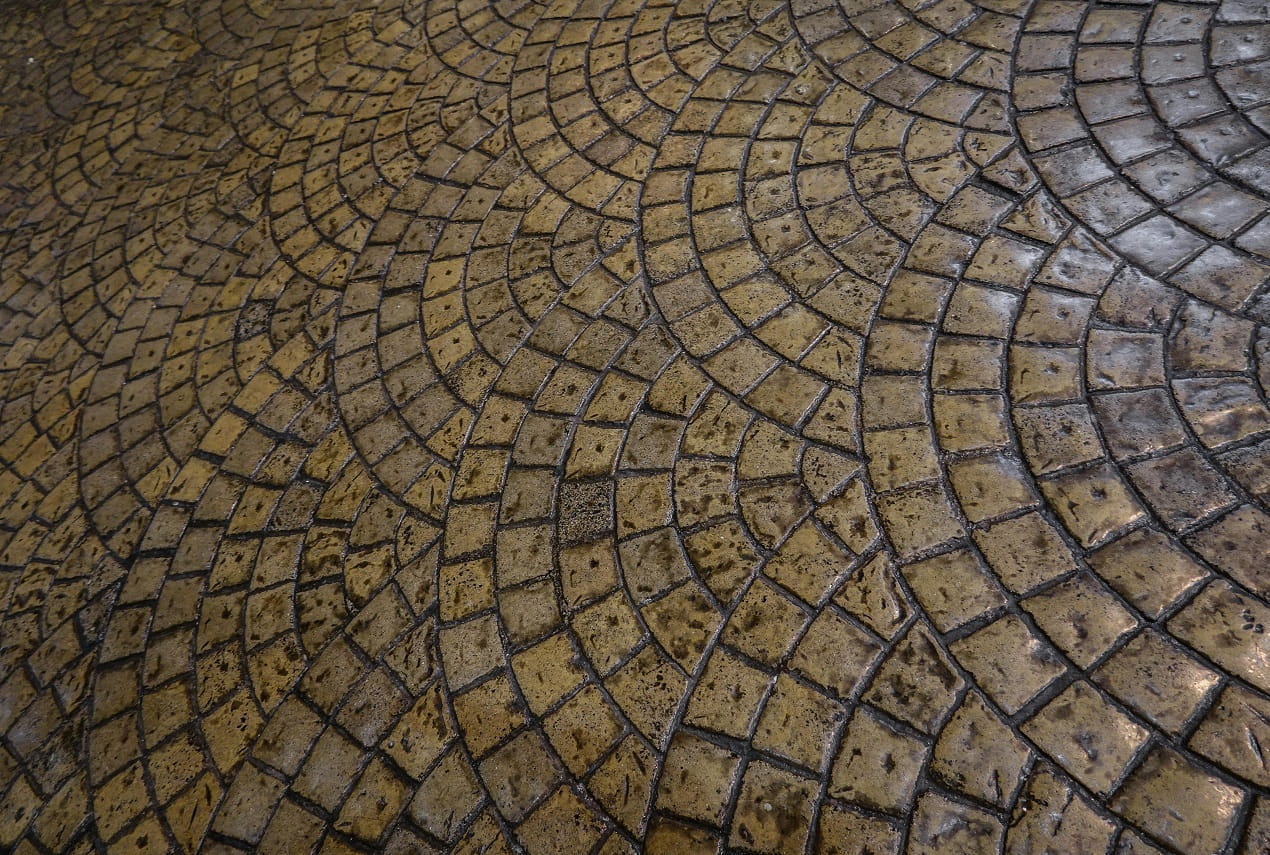
Natural stone paving has stuck around for centuries, and there’s good reason for that. Walk across a well-laid stone patio, and you’ll notice the difference straight away. Each slab has its own character, its own story written in the grain and color. Unlike the cookie-cutter uniformity of manufactured materials, stone brings something genuine to outdoor spaces.
Built to Last a Lifetime
Granite is tough stuff. On the Mohs hardness scale, it sits between 6 and 7, which means it laughs off heavy foot traffic and whatever the British weather throws at it. Sandstone might be a bit softer, but it’ll still be there in 50 to 100 years, looking better than ever. Compare that to concrete slabs that crack and crumble after a few harsh winters, and need replacement every decade or so.
Here’s the thing about stone: it gets better with time. Those little changes, the weathering, the slight color shifts? That’s not wear and tear. That’s patina. A bit of moss here, some smoothing there. It all adds up to something that looks lived-in rather than worn-out.
No Two Slabs Alike
Order a batch of Indian sandstone and you never quite know what you’re getting. Could be warm buffs and beiges. Might be moody greys with purple undertones. Sometimes you get a mix. Yorkshire stone does its own thing, too, those honey and grey tones that sit perfectly with old stone cottages and brick terraces.
Look closely at individual slabs, and there’s even more going on. Limestone can have ancient ripple marks frozen in time. Granite shows mineral veins cutting across the surface. Slate has those gorgeous layered bands. You can’t replicate that in a factory, no matter how hard you try.
People arrange them differently, too. Some go random, which looks cottage-garden casual. Others prefer everything lined up neatly. Both work. The point is, your patio won’t look like your neighbor’s, even if you bought from the same supplier.
Living With It Day to Day
Weight matters more than people think. Stone sits at around 140-170 kg per cubic meter, which keeps it planted firmly where you lay it. No shifting, no wobbling, no frost pushing things around come winter.
Slip resistance depends on which stone you pick. Textured sandstone and riven slate grip well in the rain (R11 rated, if you care about the technical stuff). Polished granite is like an ice rink when wet, which is why nobody uses it outdoors. Go for flamed or brushed finishes instead.
Maintenance is minimal. Sweep it regularly. Give it a scrub with soapy water a couple of times a year. Slap on some sealer every few years if it’s sandstone or limestone. Granite doesn’t even need that. You might redo the pointing after ten years or so, but the stone itself just keeps going.
The Green Angle
Sure, stone gets quarried and shipped, which uses fuel. But compare that to concrete production with its massive kilns and chemical processes. Stone wins hands down. When buying natural stone paving slabs, purchase from a reputable supplier. For example, if you live in Greater Manchester, a trusted option is Joseph Parr Alco.
And when you finally do decide to change things up fifty years down the line? Those slabs get reused. Someone else’s patio, garden edging, and rockery features. They don’t go to a landfill. They’re just stone, after all. No weird chemicals, no plastics, nothing that needs special disposal.
What It Does for Property Value
Ask any estate agent, and they’ll tell you decent landscaping bumps up property value by 5-10%. Quality stone paving is a big chunk of that. People notice it during viewings. It signals that someone’s actually put thought and money into the place. Concrete doesn’t do that.
But forget resale value for a second. There’s the simple pleasure of it. Limestone stays cool on hot summer evenings. Sandstone soaks up warmth from the afternoon sun. Slate makes that satisfying sound underfoot. These little things matter when you’re actually using the space.
Natural Stone Paving Makes Sense
Natural stone does cost more upfront. Expect £30-60 per square meter versus £10-20 for concrete. But spread that over fifty years of life with barely any maintenance? The math shifts. Concrete needs replacing two, three, maybe four times in that period. Stone just sits there doing its job.
Beyond the numbers, stone does something concrete can’t. It looks proper. It ties gardens to history without feeling old-fashioned. It handles modern design just as well as traditional. Whether you’re doing a tiny front path or a big entertaining space, natural stone delivers on looks, practicality, and staying power. Not many materials can match that.