

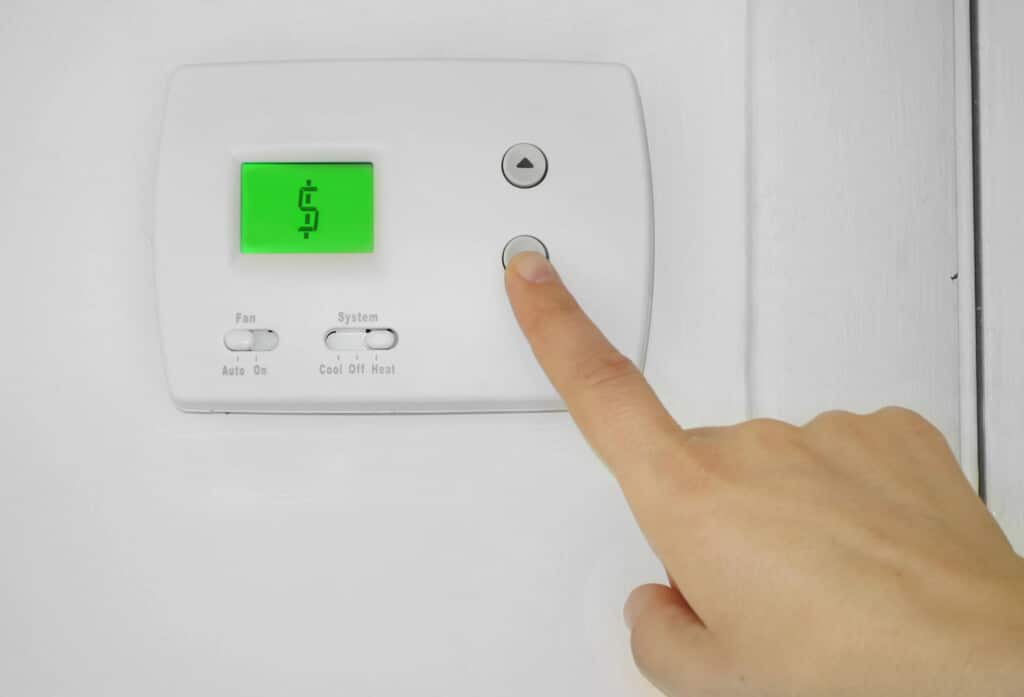
There’s a certain sound New Yorkers recognize — that first sharp hiss when the heat tries to wake up, the little clank in the pipe, the quick hope that it’ll hold steady through the night. In our work, that’s usually the moment the questions start coming fast. Not abstract questions. The urgent kind.
If you’re trying to get oriented without drowning in tabs, begin here: HEAP NY. It’s the clearest starting point we’ve built for the Home Energy Assistance Program in New York, including what to do when the situation is already close to a shutoff or you’re staring at a fuel gauge that’s too low.
What HEAP is, without the brochure voice
HEAP is federally funded and administered in New York through the state’s social services structure. The goal is simple: help eligible households cover heating costs, and prevent loss of heat when things get dangerous. The program is not one single benefit. It has parts.
People usually learn the hard way that the “part” matters.
There’s the Regular benefit for the season. There’s Emergency help when you’re at risk of running out of fuel or losing service. There are also components that can help with heating equipment repair or replacement in certain cases, plus related support that shows up depending on the season and eligibility.
I’m keeping this grounded because that’s what households need — not a lecture.
The dates that matter this season
For the 2025 – 2026 season in New York, the official schedule is clear: the Regular HEAP benefit opened December 1, 2025, and the Emergency HEAP benefit opened January 2, 2026. Those dates sound like calendar trivia until you’re the one who waited two weeks too long and suddenly everything feels like a race.
The other detail people miss is that benefits run while funding is available. So “later” can be riskier than it sounds.
Regular HEAP feels simple until you try to apply
Regular HEAP is the one most households aim for first — one benefit per season for eligible applicants. In many places, you can apply online, by mail, by fax, or in person, depending on your local district and your situation.
Where it gets messy is documentation.
Not because people are lazy. Because life is uneven. Documents aren’t always neat. Someone changed apartments. The bill is in a partner’s name. The landlord “includes heat” but the tenant pays part of electric. And suddenly you’re not applying for help, you’re applying for a clean explanation of your household.
That’s where we step in.
Emergency HEAP is a different animal
Emergency HEAP isn’t “Regular HEAP, but faster.” It’s its own lane with its own urgency criteria. It’s designed for heat or heat-related emergencies — shutoff notices, imminent fuel shortage, heating equipment failure that leaves you without heat.
People often wait until it’s truly bad. I get why. Nobody wants to admit they’re in emergency territory. But the program exists for that moment when the home stops being just uncomfortable and starts being unsafe.
If you’re already close to that edge, the best move is not to keep refreshing your email hoping for a miracle. It’s to act through the right channel quickly, with the right paperwork, and with clear messaging.
Why “eligible” households still get stuck
This is the part that frustrates people the most, because it feels unfair.
Most stalls are small.
A missing page of the bill. An address mismatch. Income documentation that doesn’t cover the correct timeframe. A photo upload where the account number is cut off at the bottom. A signature missing on one line. The kind of errors nobody notices until the file is sitting in a queue, waiting.
And the emotional side is real. Some people feel embarrassed sending a blurry photo or asking a relative for a document again. They apologize like they’re doing something wrong. They’re not. They’re trying.
What matters is that the application tells one consistent story: who lives there, what the heating situation is, what the household income looks like, and what the current risk is.
What we actually do at UtilityAssistance.org
We’re not a government office. We don’t approve benefits. We don’t override decisions. What we do is reduce the chaos.
Our job is to help a household move from “I think I qualify” to “I submitted something clean that a caseworker can process without guessing.” That usually means translating program language into human steps, identifying what tends to trip people up, and making sure the application matches the right HEAP pathway.
We also separate the lanes clearly. HEAP NY is not the same thing as weatherization. Emergency HEAP is not the same thing as Regular HEAP. LIHWAP is not the same thing as HEAP. New York households often touch more than one program across a year, but the paperwork shouldn’t be a tangled pile. We keep it readable.
How it looks when it works
There’s a moment that’s easy to miss, but I notice it every time. A person stops talking fast. They read the plan back to you in their own words. “Okay, so I need the last bill, proof of where I live, income documents, and the notice.” Their shoulders drop a little.
Because uncertainty is exhausting.
When someone gets approved, the home doesn’t become perfect. The bills don’t vanish. But the pressure changes. People stop rationing heat like it’s a guilty pleasure. Kids stop sleeping in extra layers. Older relatives don’t have to choose between warmth and medicine money.
That’s what this is for.
About reviews and “is this legit”
You asked to check Google, Facebook, and Yelp.
Public reviews for organizations like ours can be inconsistent or hard to verify cleanly because nonprofits often don’t have a single storefront listing that everyone uses, and the name can be confused with similarly titled assistance pages or unrelated entities. I’m not going to quote a review unless it’s clearly tied to your exact organization, because that would be sloppy.
What I can say without stretching is this: UtilityAssistance.org is built as a practical guidance hub across New York, New Jersey, and Maryland — with program-specific pages that are written for real households, not policy professionals. The proof most readers care about is whether the steps are specific, whether the program lanes are separated clearly, and whether the information matches how districts actually operate.
The quiet advice that saves people weeks
Don’t wait for the “perfect day” to apply. It won’t come.
Start while you still have a little breathing room. If you’re already in Emergency territory, don’t try to force a Regular application to solve an Emergency problem. Choose the correct lane. Keep your documents readable. Make sure names, addresses, and account identifiers match across what you submit.
And if you feel yourself spiraling — because it happens — pause and do one concrete step. Find the most recent bill. Take a clear photo. Put it in a folder. Then the next step. Not ten steps. One.