

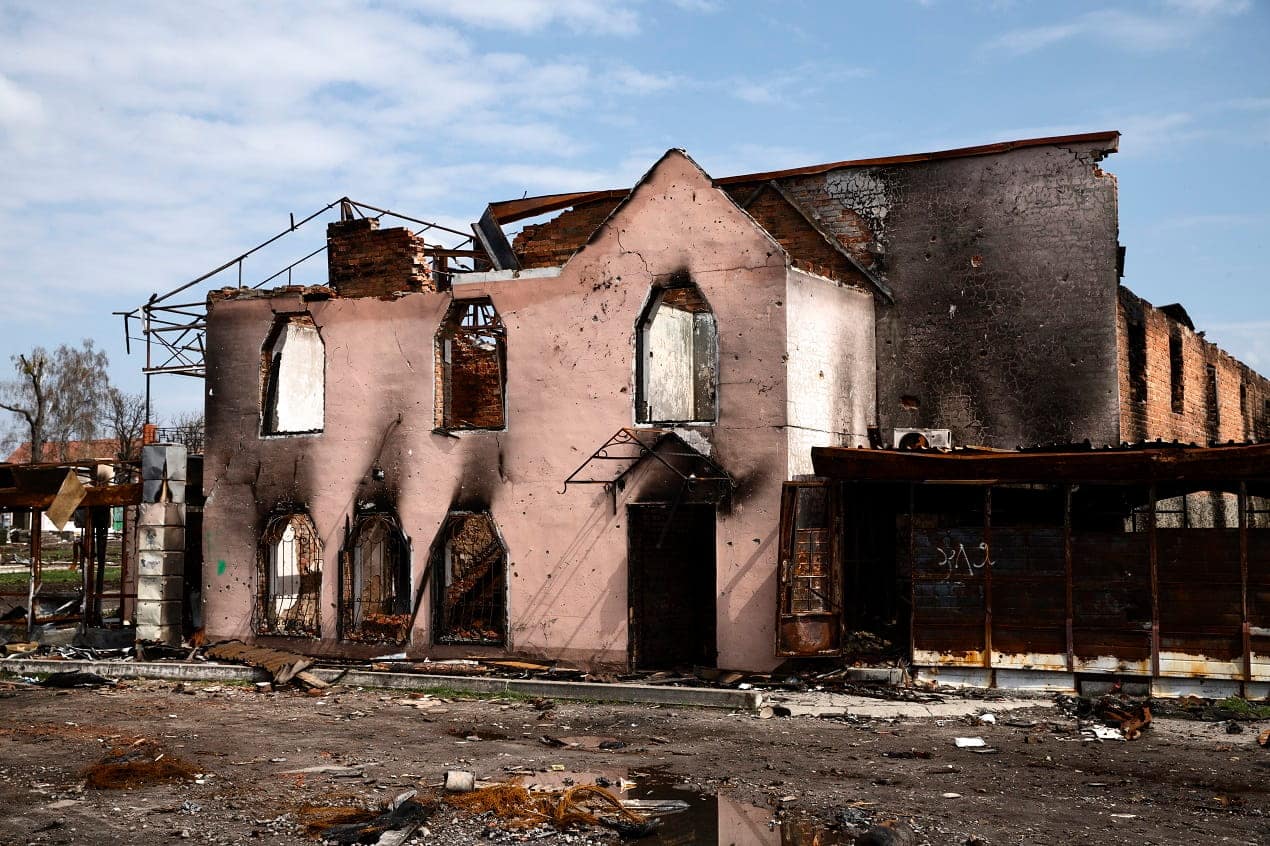
You wake up to smoke, silence, nothing. The house is gone. Time bends. Decisions rush in – what to do next? What not to do? First rule: wait for official clearance. Safety comes before photos, before calls. Don’t go back until you’re told it’s safe. That’s non-negotiable.
A neighbor saw you enter before the lights were off. Insurance said “no” on the claim when they found missing keys. You threw out a ceramic pot – you should’ve taken pictures instead. The wrong move cost $4,000 later. Order matters: check safety first, document second, talk third. If you skip one step, everything falls apart.
Make Sure the Property Is Actually Safe Before You Go Back In
This may sound quite simple, yet many homeowners take the risk of entering their fire-damaged home even before they have been officially cleared by a person in authority. Firefighters put out the fire, but they do not eliminate the hazard. Outdoor appearances can be very deceiving since even though the structural components may seem, on the surface, in good condition internally they might have been weakened by fire, and the floor and roof structures might be such that they can fall down long after the fire has been put out. Typically, your local fire department or a fire marshal will communicate the safety status of a property by posting a notice on it.
Inputting a property that has been condemned or declared unsafe is not a mere technicality; rather, it means that a structural engineer or building inspector needs to come and evaluate the property before you enter. Don’t attempt to go through this without the proper knowledge just because you are eager to retrieve your personal belongings. First, send someone authorized to assess the situation. When you finally manage to get into the premises, restrict the number of people who enter as well as the duration of their stay. Residual smoke has toxic compounds, which can be detrimental to health if one is exposed to them for a long period. For instance, if you are going in to secure documents or valuables, it is recommended that you perform the activity in the shortest possible time while wearing at least an N95 face mask rather than spending hours going through the rooms.
Contact Your Insurance Company Before You Do Anything to the Property
One of the most common errors probably happens when people start cleaning up after a fire without waiting for the adjuster to inspect first. Moving things around or removing damaged materials might void part of your claim, Mostly if the report isn’t finalized yet. Some policyholders assume they can act quickly, but that could backfire.
You should call your insurer right away once safety checks are done – at least in theory, most policies demand immediate notification. Delaying this step can mess with how smoothly the claim moves forward. Ask clearly what actions are okay before the adjuster comes – like covering windows or taping over a broken roof, which might actually help stop more harm from spreading.
The adjuster shows up, and being there helps. You’ve got rights to question them, snap your own pictures beside theirs, and push back if something doesn’t make sense. They’re trained agents working under company rules, so acting neutral instead of friendly could hurt you later. This process tends to go better when folks stay involved, not silent. It’s safer to watch closely than wait passively for updates.
Document everything yourself before anything is removed or repaired. Take photos and video of every room, every damaged surface, and every affected item. Create a written inventory of damaged personal property with estimated values. This documentation becomes critical if there’s any dispute with your insurer about the scope of coverage.
Secure the Property to Prevent Additional Losses
Fire-damaged homes become highly vulnerable. As soon as a burned property is known in the neighborhood, the risk of theft arises not only for salvageable building materials but also for personal belongings left inside. This is not paranoia; it is a well-known trend in disaster recovery cases.
Close up potential access points such as windows, doors, or openings in the structure by boarding them up as soon as possible. Roof damage a tarp is significantly less than a permanent solution, but it is effective in preventing the worsening of damage by the rain and weather over a short period of time. Most fire restoration companies are able to provide an emergency board-up service that could even be arranged within the first two days of the incident.
Consult your insurance policy to find out if emergency protective measures are covered, as many policies will include reimbursement for these expenses as part of the claim. Always keep all your receipts for anything you use to secure or protect the property and take pictures of the work before and after as proof.
Understand Your Temporary Housing and Living Expense Coverage
If your home is uninhabitable -which is common even with moderate fire damage due to smoke, water, and structural concerns -your homeowner’s policy likely includes Additional Living Expenses (ALE) coverage, sometimes called Loss of Use coverage. This covers reasonable costs for temporary housing, meals, and other expenses above what you’d normally spend while your home is being repaired or evaluated.
The key word is “reasonable.” Insurance companies won’t cover an extended stay at a luxury hotel indefinitely, but they should cover comparable housing to what you’re used to. Get clarity from your adjuster on the daily or monthly limits and how long coverage extends, so you’re not caught off guard when the bills come in.
Keep receipts for everything during your displacement -hotel stays, restaurant meals if your temporary housing lacks a kitchen, laundry costs, storage unit fees for salvaged belongings. These are all potentially reimbursable, but only if you can document them.
Deciding Whether to Restore or Sell the Property As-Is
Once the immediate crisis is stabilized and your insurance claim is underway, you’ll face a decision that many homeowners aren’t prepared for: do you rebuild and restore, or do you sell the property in its current condition?
This isn’t a decision you need to make in the first week, but it’s worth starting to think through early because the answer shapes everything that follows. Full restoration can take six months to a year or longer, carries significant financial risk if costs exceed estimates, and still leaves you with a property that carries a fire history disclosure obligation in most states.
Selling as-is has become a legitimate and increasingly common path for homeowners who don’t want to manage a lengthy reconstruction project or who need to access whatever equity they have in the property quickly. Cash buyers who specialize in damaged properties, like We Buy Fire Damaged Houses, exist specifically for this situation, offering a way to close quickly without requiring any repairs or restoration work from the seller.
If you’re leaning toward selling, don’t make that decision before your insurance claim is settled. The claim payout is part of the financial picture, and selling prematurely could complicate how those proceeds are handled depending on your mortgage situation and your insurer’s subrogation rights.
The First 72 Hours Set the Tone for Everything That Follows
How you handle the immediate aftermath of a house fire has a long tail. The documentation you do or don’t do, the calls you make or delay, the decisions to secure the property or leave it exposed -all of these early choices shape the claim outcome, the restoration timeline, and ultimately how much financial recovery is possible.
It’s worth having a trusted advocate with you during this period if you can arrange it. A public adjuster, a real estate attorney, or even a knowledgeable friend can help you think clearly when the situation is overwhelming. The homeowners who come out of fire damage recovery in the strongest position are almost always the ones who slowed down, documented thoroughly, and didn’t let urgency push them into decisions they hadn’t fully considered.