

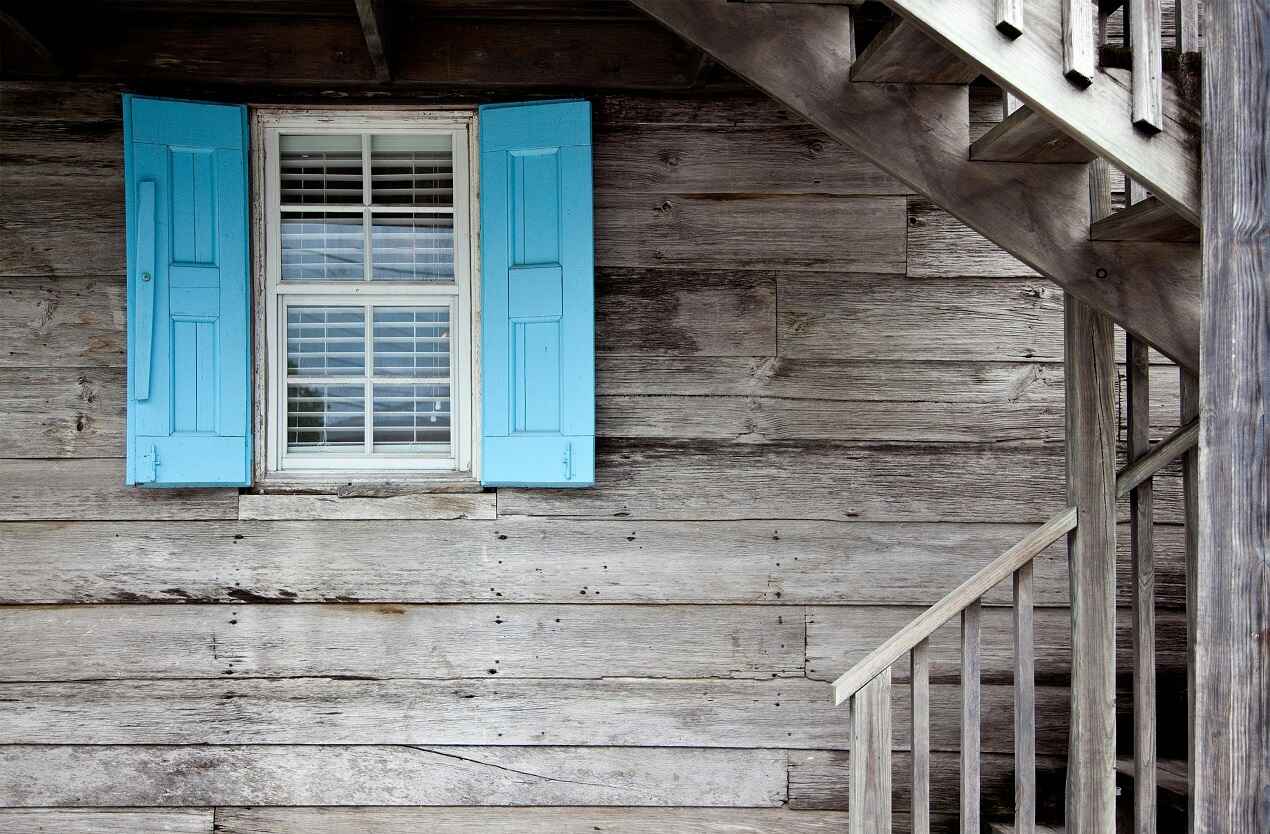
There’s something happening in the housing market that might surprise you. After decades of uPVC dominance, timber windows are experiencing a genuine renaissance. Walk through any period property area, and you’ll notice beautifully restored sash windows gleaming with fresh paint. But it’s not just conservation areas driving this trend anymore.
I’ve been watching this shift happen over the past few years, and it’s fascinating. Homeowners who once would have automatically chosen uPVC are now seriously considering timber. So what’s changed?
The Plastic Fatigue Factor
Let’s be honest – we’ve all seen those uPVC windows that have gone yellow and brittle after 15 years. The ones that looked modern and maintenance-free when installed in the 1990s but now scream “dated.” There’s a growing awareness that while uPVC might be low maintenance initially, it doesn’t age gracefully.
Timber, on the other hand, can last for generations when properly maintained. Those Georgian sash windows you see in historic districts? Many are 200 years old and still functioning. Try getting that lifespan from plastic.
Modern Timber Isn’t Your Grandfather’s Wood
Here’s where it gets interesting. The timber windows available today are dramatically different from what was available even 20 years ago. Modern engineered timber combines traditional aesthetics with contemporary performance.
Factory-applied finishes now last 8-10 years before requiring maintenance. Double and triple glazing options mean thermal performance rivals or exceeds uPVC. And here’s the kicker – modern timber windows often come with guarantees that would have been unthinkable in the past.
If you’re exploring options, specialists like https://woodenwindows-online.co.uk/ offer engineered timber products that blend traditional craftsmanship with modern performance standards, making the choice more practical than ever.
The Sustainability Conversation
This is probably the biggest driver of the timber renaissance. As climate awareness grows, more homeowners are questioning the environmental cost of their renovation choices. uPVC is essentially plastic – derived from petroleum and notoriously difficult to recycle.
Timber, particularly when sourced from FSC-certified forests, is renewable and acts as a carbon store. When your windows eventually need replacing, timber can be recycled or will biodegrade naturally. It’s an easy win for environmentally conscious renovators.
Character and Kerb Appeal
There’s no dancing around this – timber windows simply look better on most properties. They have depth, texture, and authentic proportions that uPVC struggles to replicate. Estate agents know this. Properties with quality timber windows photograph better and often command higher prices.
This matters particularly for period properties. Conservation officers have always preferred timber, but now regular homeowners are making the same choice voluntarily because they recognise the aesthetic value.
The Practical Reality Check
Before you think I’m about to claim timber is perfect for everyone, let me add some reality. Yes, timber requires more maintenance than uPVC. You’ll need to repaint or re-stain eventually. And yes, the initial cost is typically higher.
But here’s what people often miss in that calculation: lifecycle cost. When you factor in that timber windows can last 60+ years with proper care, while uPVC typically needs replacing after 25-30 years, the maths starts looking different. Add in the potential property value increase and the environmental considerations, and timber becomes a genuinely competitive option.
Who Should Consider Timber?
Timber windows make particular sense if you’re:
Working on a period property where authenticity matters. Even if you’re not in a conservation area, maintaining the original character protects your property value.
Planning to stay in your home long-term. The longevity benefits of timber really show themselves over decades.
Prioritising environmental impact. If sustainability matters to you, timber is the clear choice.
Willing to invest in quality. Cheap timber windows aren’t worth it – this is a “do it right or don’t do it” situation.
The Installation Question
One advantage that often goes unmentioned: timber windows are generally easier to fit into older properties. They can be custom-made to exact sizes without the limitations of uPVC extrusion profiles. This matters hugely in period properties where opening sizes vary and aren’t standard.
For DIY enthusiasts, timber is also more forgiving to work with if adjustments are needed. Though honestly, windows are one area where I’d always recommend professional installation regardless of material.
Looking Forward
The timber window comeback isn’t just a flash in the pan or a preservation obsession. It’s part of a broader shift toward sustainable, long-lasting renovation choices. As we move away from the “disposable” mindset of the late 20th century, materials like timber that can be repaired, maintained, and last for generations make increasing sense.
We’re also seeing innovation continue. New timber treatments, better glazing options, and improved manufacturing techniques mean timber windows will only get better. The gap between timber and uPVC in terms of maintenance and performance continues to narrow, while the aesthetic and environmental advantages of timber remain clear.
Making Your Decision
If you’re currently weighing up window options, my advice is simple: don’t dismiss timber based on outdated assumptions. Get quotes for both materials, ask about longevity and lifecycle costs, and consider your specific property and circumstances.
For many homeowners, particularly those in older properties or those prioritising quality and sustainability, timber windows now represent not just a viable option, but often the best choice. The comeback is real, and it’s backed by solid reasoning rather than just nostalgia.
The question isn’t really whether timber windows are making a comeback – they clearly are. The question is whether they’re the right choice for your home. And increasingly, for many properties, the answer is yes.