

Key Takeaways
- Thorough cleaning and balanced water chemistry are essential before closing a pool for the winter.
- Lowering water levels, draining equipment, and adding winter chemicals help prevent costly damage.
- Using a high-quality pool cover and monitoring periodically ensures long-term protection.
- Consulting professionals can provide added peace of mind and optimal results.
Introduction
As the chill of winter sets in, safeguarding your backyard oasis becomes a priority. Without proactive care, the cold months can wreak havoc on even the highest-quality pools. Homeowners seeking to prevent cracked tiles, damaged equipment, and costly spring repairs should take steps to secure their swimming pool as soon as the temperature drops. Trusted strategies and professional winter pool maintenance solutions can make all the difference in preserving your investment and enjoyment year after year.
Winterizing a pool isn’t simply about tossing on a cover and hoping for the best. From water chemistry to equipment protection, each step in the process plays a crucial role in keeping your pool safe and problem-free until the return of swimming season. The techniques outlined below will help you avoid unpleasant surprises and keep your pool in pristine condition, no matter the winter weather.
With proper planning and attention to detail, winter care becomes an opportunity—not a chore. Maintaining your pool now ensures less work in the spring, extends the lifespan of your pool system, and protects the overall value of your home.
Homeowners looking to go the extra mile can also take specific actions to protect your pool in winter, further reducing the risk of damage and ensuring that their first dip of the season is as refreshing as ever.
Thoroughly Clean the Pool
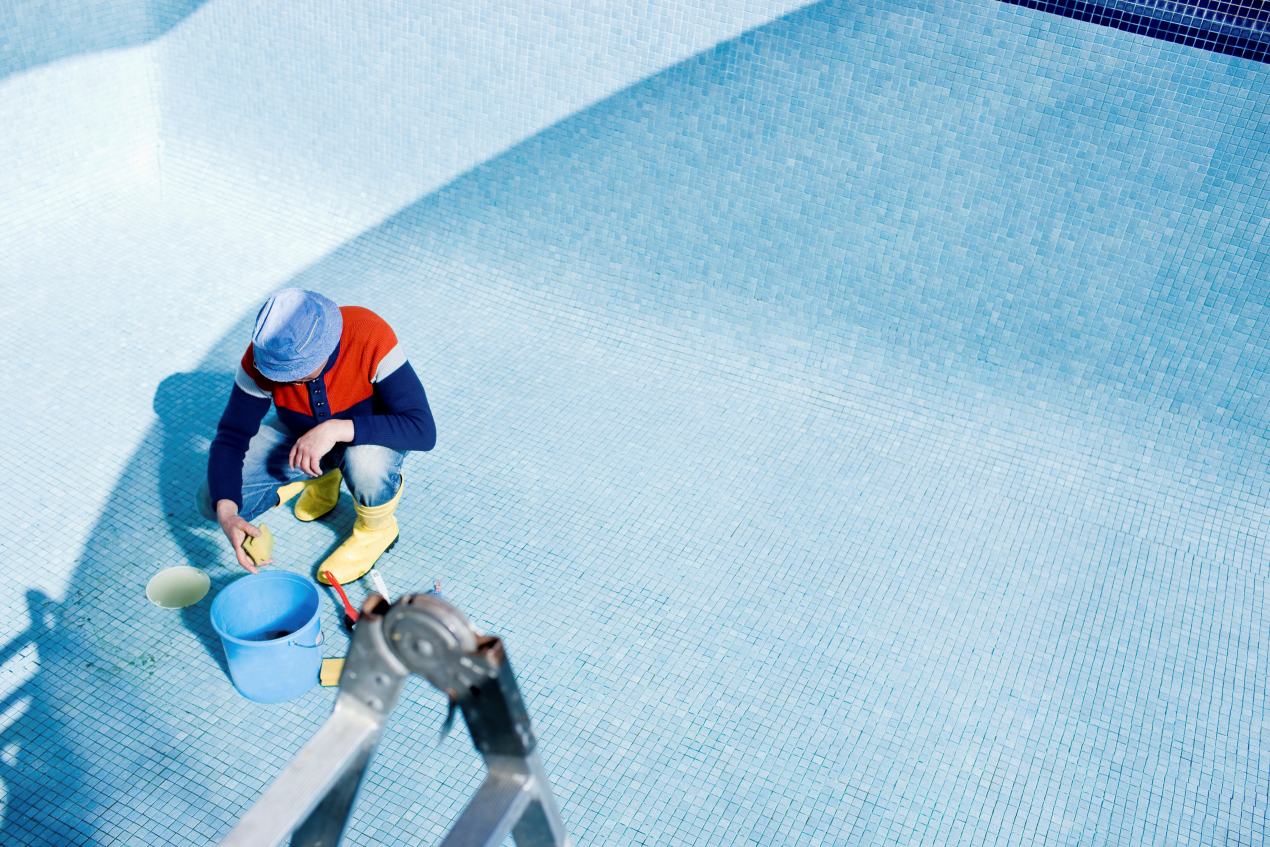
Proper cleaning forms the foundation of winter pool maintenance. Leaves, dirt, and organic debris left in your pool over the winter can serve as a food source for algae and bacteria, making the water murky and complicating the reopening process. Start by skimming the surface, vacuuming the pool floor, and thoroughly scrubbing the walls and tile line. Pay close attention to the corners and steps, areas where dirt can settle and escape routine cleaning. According to The Home Depot’s pool care advice, investing this effort before closing up can save days of labor when reopening.
Balance Water Chemistry
Testing and balancing your pool’s water chemistry before winter is crucial to prevent issues such as etching, scaling, and corrosion. The ideal levels for most pools are:
- pH: 7.2–7.6
- Alkalinity: 80–120 ppm
- Calcium Hardness: 200–400 ppm
- Chlorine: 1–3 ppm
Use a reliable pool testing kit to check levels and make adjustments as needed. Well-balanced water protects both your pool’s surface and internal components, reducing the risk of stains or equipment failure during cold weather. If you’re uncertain about exact values, your pool’s manufacturer guidelines or a local professional can offer specific recommendations.
Lower the Water Level
When water expands during freezing, it can seep into skimmers and plumbing lines, causing cracks and resulting in costly repairs. Lower the water level below the skimmer according to the specifications of your pool cover and the needs of your pool type. If you use a solid cover, it generally means 1–2 inches below the skimmer. For mesh covers, aim for 12–18 inches below the skimmer. Always drain with care, ensuring no components are exposed to the air unnecessarily. For detailed regional best practices, consult The Home Depot winterizing guide.
Drain and Protect Equipment
Freezing temperatures can severely damage pool pumps, filters, heaters, and pipes if water is left inside them. Disconnect and drain all equipment, ensuring that all drain plugs are removed and stored in a safe location. Use a shop vac or air compressor to blow out any remaining moisture from the lines, then seal them tightly. For added safety, non-toxic pool antifreeze may be added to help protect vulnerable pipes. Be sure never to use automotive antifreeze, as it’s hazardous.
Add Winterizing Chemicals
With your water balanced and equipment protected, it’s time to add specialized winter chemicals. A winter algaecide will prevent stubborn algae blooms under the pool cover, while a shock treatment helps eliminate bacteria and organic contaminants that may be present. This chemical shield keeps your water clean and clear, making spring maintenance easier.
Install a Pool Cover
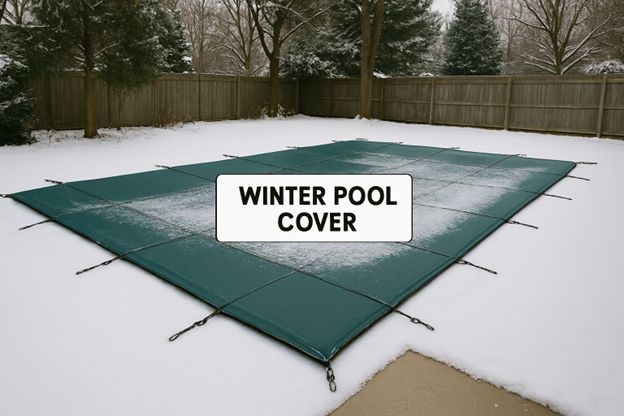
Protecting your pool from the elements is the final step in adequate winterization. Select a high-quality pool cover—preferably one designed specifically for winter use—to keep debris, snow, and ice out of your pool. The cover should fit snugly without gaps, allowing for a secure seal against wind or animals. Regularly remove leaves and excess water from the cover to prevent stretching, damage, or accidental collapse.
Monitor the Pool Periodically
Even with diligent winterization, it’s essential to check your pool every few weeks. Inspect the cover for any tears or sagging, ensure the water level hasn’t dropped too low or risen unexpectedly, and look for other signs of weather-related wear. Early intervention keeps minor issues from becoming major repairs once spring returns.
Consider Professional Assistance
If winterizing your pool feels overwhelming, consider hiring a pool care professional. Experts can perform a comprehensive shutdown, ensuring each step is completed to specification. This can be especially helpful for new pool owners or those with complicated systems. A professional touch can save time, prevent costly damage, and ensure your pool is ready to enjoy for years to come.
Conclusion
Investing time in proper winter pool maintenance rewards you with peace of mind and an easier opening next season. By cleaning thoroughly, balancing chemicals, protecting equipment, and monitoring your pool during the winter, homeowners can ensure a sparkling, damage-free pool when warmer weather returns. For additional support or tailored advice, don’t hesitate to reach out to a local pool maintenance company or consult with professionals before the next freeze.