

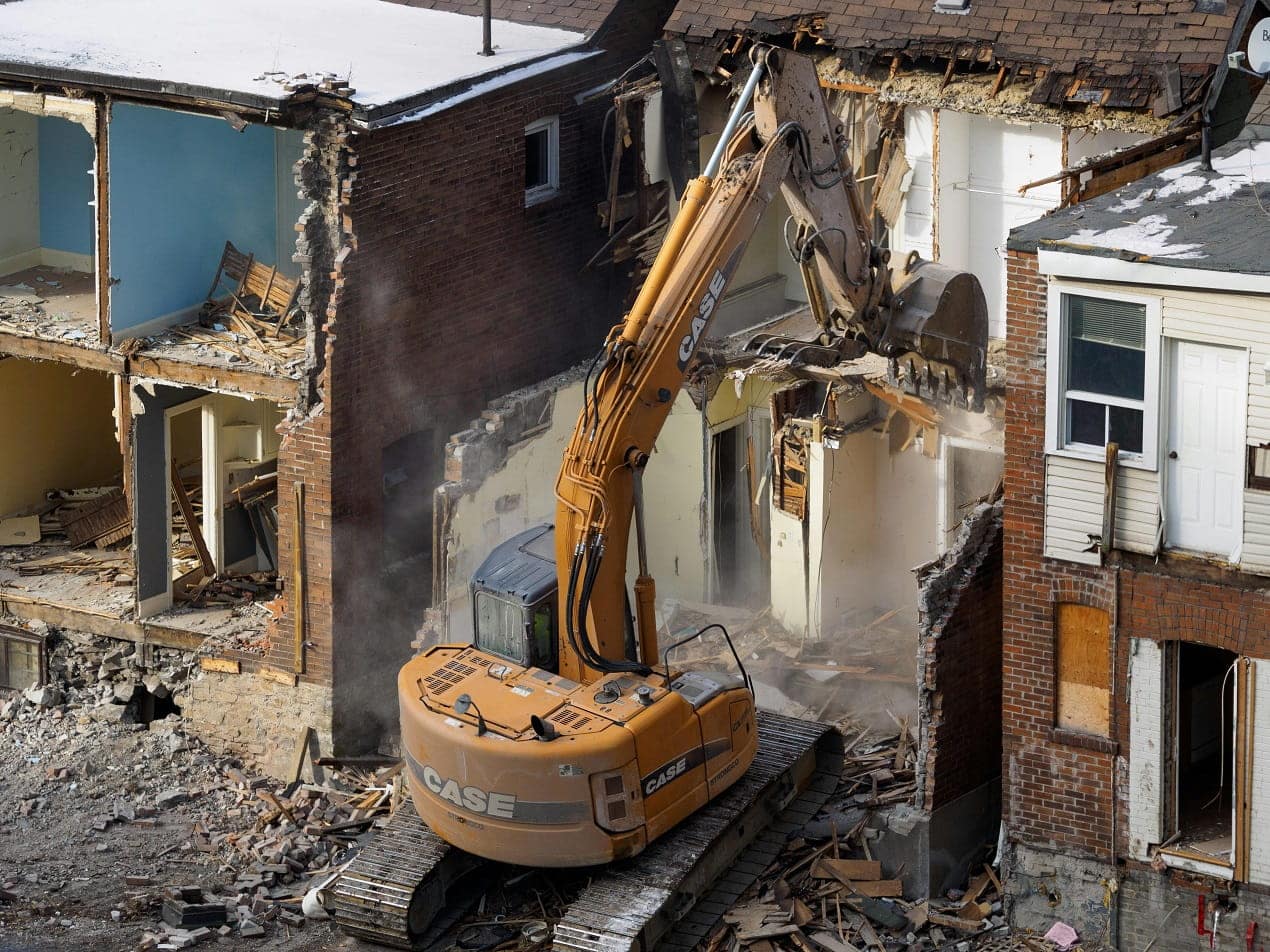
Understand Your Demolition Project Scope
Before you even think about calling up demolition services, you really need to get a handle on what you’re trying to achieve. It sounds obvious, but a clear picture of the project’s scope is the first step to avoiding headaches down the line. Think of it like planning a big trip – you wouldn’t just hop in the car without knowing where you’re going, right? The same applies here.
Define Project Goals
What’s the main reason for the demolition? Are you clearing land for a new build, removing an old structure that’s become unsafe, or maybe just taking out an interior wall to open up a space? Your goals will shape everything, from the type of demolition needed to the disposal methods. For instance, a full building teardown is a whole different ballgame than a simple interior renovation.
Identify Structures Requiring Demolition
Make a list of everything that needs to go. This isn’t just about the main building. Think about sheds, garages, fences, decks, even old foundations or underground tanks. Sometimes, what seems minor can add significant cost and complexity to the job. Country Contracting and Construction always recommends a thorough site walk-through to catch everything.
Assess Site Accessibility
How easy is it for demolition crews and their equipment to get to the work area? Are there narrow gates, overhead obstructions, or sensitive landscaping nearby that need protection? Poor accessibility can slow down the project and increase costs. It’s also important to consider where debris will be staged and how trucks will access the site for removal. A site like one a haliburton contractor might work on could have unique access challenges.
Getting a clear scope upfront helps you get accurate quotes and avoids surprises. It’s better to spend a little extra time planning now than dealing with unexpected issues later.
Navigate Regulatory Requirements
Before you even think about picking up a sledgehammer, you’ve got to deal with the paperwork. Ignoring this part is a surefire way to get your project shut down and hit with fines. It’s not the fun part, but it’s absolutely necessary. Getting the right permits and understanding local rules is non-negotiable.
Research Local Permits
This is usually the first hurdle. Most demolition projects, even small ones, require permits from your city or county. The process can vary a lot depending on where you are. You’ll likely need to submit plans detailing what you’re tearing down and how you plan to do it safely. Sometimes, you might need separate permits for electrical, plumbing, or structural work, even if it’s part of a demolition. Country Contracting and Construction can help guide you through this, but ultimately, it’s your responsibility to secure them. Don’t assume the demolition services you hire will handle all of it without clear direction.
- Contact your local building department.
- Ask about specific demolition permit requirements.
- Inquire about any associated inspection schedules.
Understand Environmental Regulations
Demolition isn’t just about knocking things down; it’s also about what’s in those things. You need to be aware of environmental rules, especially concerning hazardous materials. Think asbestos, lead paint, or old-school insulation. If these are found, they need to be handled and disposed of by certified professionals. Failing to do so can lead to serious health risks and hefty penalties. It’s a big deal, and getting it wrong can be costly.
Proper handling of hazardous materials isn’t just a legal requirement; it’s a matter of public health and safety. Ignoring these regulations can have long-lasting negative impacts on the environment and the community.
Check Zoning Laws
Zoning laws dictate what can be built where, and sometimes, they also have rules about demolition. For instance, there might be restrictions on tearing down historic buildings or structures in certain zones. You might also need to consider how the demolition will affect the surrounding properties or future development plans for your area. A quick check with your local planning department can save you a lot of headaches down the line. While a company like Country Contracting and Construction has experience with various sites, understanding the zoning is key to project approval.
Prepare For Site Safety
Before any demolition work begins, Country Contracting and Construction stresses the importance of a solid safety plan. This isn’t just about following rules; it’s about making sure everyone goes home safe at the end of the day. Ignoring safety can lead to serious accidents, costly delays, and legal trouble. Think of it as the foundation for a successful demolition project, even before the first wall comes down.
Identify Potential Hazards
Every site has its own set of risks. You need to know what you’re up against. This means a thorough walk-through to spot things like:
- Asbestos or lead paint
- Unstable structures or materials
- Hidden electrical wiring or gas lines
- Underground tanks or utilities
- Nearby occupied buildings or sensitive areas
It’s a good idea to have a professional inspect for hazardous materials if you suspect their presence. This step is vital for protecting workers and the environment.
Plan for Utility Disconnections
This is a big one. You absolutely must have all utilities shut off and disconnected by the proper authorities before demolition starts. This includes:
- Electricity: Contact the power company to have lines disconnected or safely capped.
- Gas: Call the gas company to shut off and secure gas lines.
- Water: Ensure water mains are turned off and pipes are drained.
- Sewer: Coordinate with the local municipality for sewer line disconnections if needed.
Failing to do this can result in fires, explosions, flooding, or electrocution. It’s a non-negotiable step when hiring demolition services.
Establish Site Security Measures
Once demolition begins, the site needs to be secure. This prevents unauthorized access, which could lead to accidents or theft. Country Contracting and Construction recommends:
- Erecting sturdy fencing around the entire perimeter.
- Posting clear warning signs at all entry points.
- Securing any gates or access points.
- Considering security personnel or surveillance if the site is large or in a high-traffic area.
A secure site not only protects people but also prevents materials from being scavenged or moved, which can complicate waste disposal plans. It keeps the project on track and within budget, avoiding unexpected issues that could arise from public interference.
When looking for a contractor, like a haliburton contractor or any other specialized demolition services, always ask about their safety protocols. A good company will have a detailed safety plan as part of their proposal.
Evaluate Demolition Service Providers
Finding the right company for your demolition project is a big deal. You want someone reliable, safe, and who won’t break the bank. It’s not just about hiring any contractor; it’s about finding the right fit for your specific needs. Think about it, you’re entrusting them with a significant part of your property. We’ve seen situations where a poorly chosen contractor led to delays and unexpected costs, which is exactly what we want to help you avoid.
Verify Licenses and Insurance
This is non-negotiable. Always confirm that any demolition services you consider are properly licensed and insured. This protects you from liability if something goes wrong on site. A legitimate company will have:
- General liability insurance
- Workers’ compensation insurance
- Any specific licenses required by your local or state government
Don’t be shy about asking for proof. A reputable business, like Country Contracting and Construction, will readily provide these documents. It shows they are serious about their work and their responsibilities.
Request Multiple Bids
Getting quotes from a few different companies is smart. It gives you a clearer picture of the going rates for demolition services in your area. When you get bids, make sure they are detailed and cover the same scope of work. This way, you can compare apples to apples.
- Ask for a breakdown of costs (labor, equipment, disposal, etc.).
- Inquire about any potential extra charges.
- Note the estimated timeline provided by each bidder.
This process helps you spot unusually low or high bids, which might signal a problem.
Check References and Reviews
What are other people saying about the demolition services you’re looking at? Past performance is a good indicator of future results. Look for reviews online, and if possible, ask for references from previous clients. A company that has nothing to hide will be happy to share positive feedback or even put you in touch with satisfied customers. If you’re considering a contractor like a “haliburton contractor” or any other specialized firm, check their specific track record in that niche.
Choosing a demolition contractor is a significant decision. Take your time, do your homework, and don’t rush the process. The peace of mind that comes from hiring a qualified and trustworthy professional is well worth the effort.
Develop A Detailed Project Plan
Okay, so you’ve figured out what needs to go, checked the rules, and thought about safety. Now comes the part where you actually map out how it’s all going to happen. This isn’t just about pointing at a building and saying ‘take it down.’ A solid plan is what separates a smooth demolition from a chaotic mess. It’s where you get specific, and it’s where Country Contracting and Construction really shines.
Outline Project Timeline
This is where you break down the whole demolition job into manageable steps. Think about:
- Pre-demolition tasks: This includes getting all your permits in order, setting up safety barriers, and making sure utilities are off.
- The actual demolition phase: How long will it take to bring down the structure? Will it be done section by section or all at once?
- Site cleanup and grading: After the dust settles, you need to clear the debris and get the site ready for whatever comes next.
Being realistic here saves a lot of headaches down the road. It’s easy to underestimate how long things take, especially with unexpected issues.
Plan Waste Management and Disposal
This is a big one, and honestly, it’s often overlooked. You can’t just knock something down and hope for the best. You need a clear plan for what happens to all the stuff that comes down.
- Identify materials: What are you dealing with? Wood, concrete, metal, maybe even hazardous stuff like asbestos? Knowing this helps figure out the best way to handle it.
- Disposal methods: Will you be renting dumpsters? Is there a local landfill that accepts demolition debris? Are there recycling options for certain materials?
- Recycling and salvage: Can any materials be salvaged or recycled? This can sometimes save money and is better for the environment. Country Contracting and Construction can help you figure out the most cost-effective and responsible disposal methods.
Proper waste management isn’t just about following rules; it’s about being a good neighbor and a responsible contractor. It means thinking about where everything goes before it starts piling up.
Confirm Communication Protocols
How will everyone involved stay in the loop? This is super important, especially when you’re working with external demolition services like a specialized haliburton contractor or the main demolition services provider.
- Who is the main point of contact? Make sure you know who to call with questions or concerns.
- How often will updates be provided? Daily check-ins? Weekly reports? Agree on a schedule.
- What’s the process for addressing issues? If something unexpected pops up, how will it be communicated and resolved quickly?
Clear communication prevents misunderstandings and keeps the project moving smoothly. It’s the glue that holds the plan together.
Secure Necessary Funding
Alright, so you’ve figured out what needs to go, what rules you need to follow, and how to keep everyone safe. Now comes the part that can sometimes feel like the biggest hurdle: making sure you have the cash to actually get the demolition services done. Without a solid financial plan, even the best-laid demolition project can stall out. It’s not just about getting a few quotes; it’s about understanding the full financial picture.
Estimate Total Project Costs
This is where you get down to the nitty-gritty. Don’t just guess. You need to break down every single expense you can think of. This includes:
- The actual cost of the demolition work itself. This can vary a lot depending on the size and type of structure.
- Permit fees. These can add up, so find out what they are early on.
- Costs for utility disconnections. Sometimes this is handled by the demolition company, sometimes you need separate specialists.
- Waste disposal and recycling fees. Getting rid of all that debris isn’t free.
- Site restoration or cleanup after the demolition is complete.
- Any unexpected issues that might pop up. You know, the ‘what ifs’.
When you’re getting bids from demolition service providers, make sure you’re comparing apples to apples. Ask for a detailed breakdown of what’s included in their price. Sometimes a lower bid might not cover everything, leaving you with surprise costs later.
Explore Financing Options
If the total cost is more than you have readily available, don’t panic. There are a few ways people usually handle this:
- Personal Savings: The most straightforward, if you have it.
- Home Equity Loans or Lines of Credit: If you own property, this can be a good option.
- Construction Loans: If this demolition is part of a larger building project.
- Business Loans: If this is for a commercial property.
It’s worth talking to your bank or a financial advisor to see what makes the most sense for your situation. Sometimes, you might even find specialized contractors, like a haliburton contractor if you’re in a specific region or dealing with certain types of projects, who have established relationships with lenders or offer their own financing plans, though this is less common for standard demolition services.
Allocate Contingency Funds
This is super important. No matter how well you plan, demolition projects can throw curveballs. You might uncover hidden asbestos, find unexpected structural issues, or run into delays due to weather. Always set aside a portion of your budget for these unforeseen expenses. A good rule of thumb is to aim for 10-20% of your total estimated cost as a contingency fund. It might seem like a lot, but having that buffer can save you a massive headache (and a lot of stress) if something unexpected happens.
Planning for the financial side of demolition is just as critical as planning the physical work. It’s about being realistic with costs, exploring all available avenues for funding, and building in a safety net for the unexpected. Country Contracting and Construction always advises clients to have a clear financial picture before breaking ground, so to speak.
Wrapping Up Your Demolition Prep
So, that’s a lot to think about before you even call in the demolition crew. It might seem like a lot of steps, but taking the time now really pays off. Getting your ducks in a row means the actual demolition part goes smoother, safer, and usually, without those surprise costs popping up later. Think of it as setting yourself up for success. A little planning goes a long way, and you’ll be that much closer to starting your next project without any demolition headaches.