

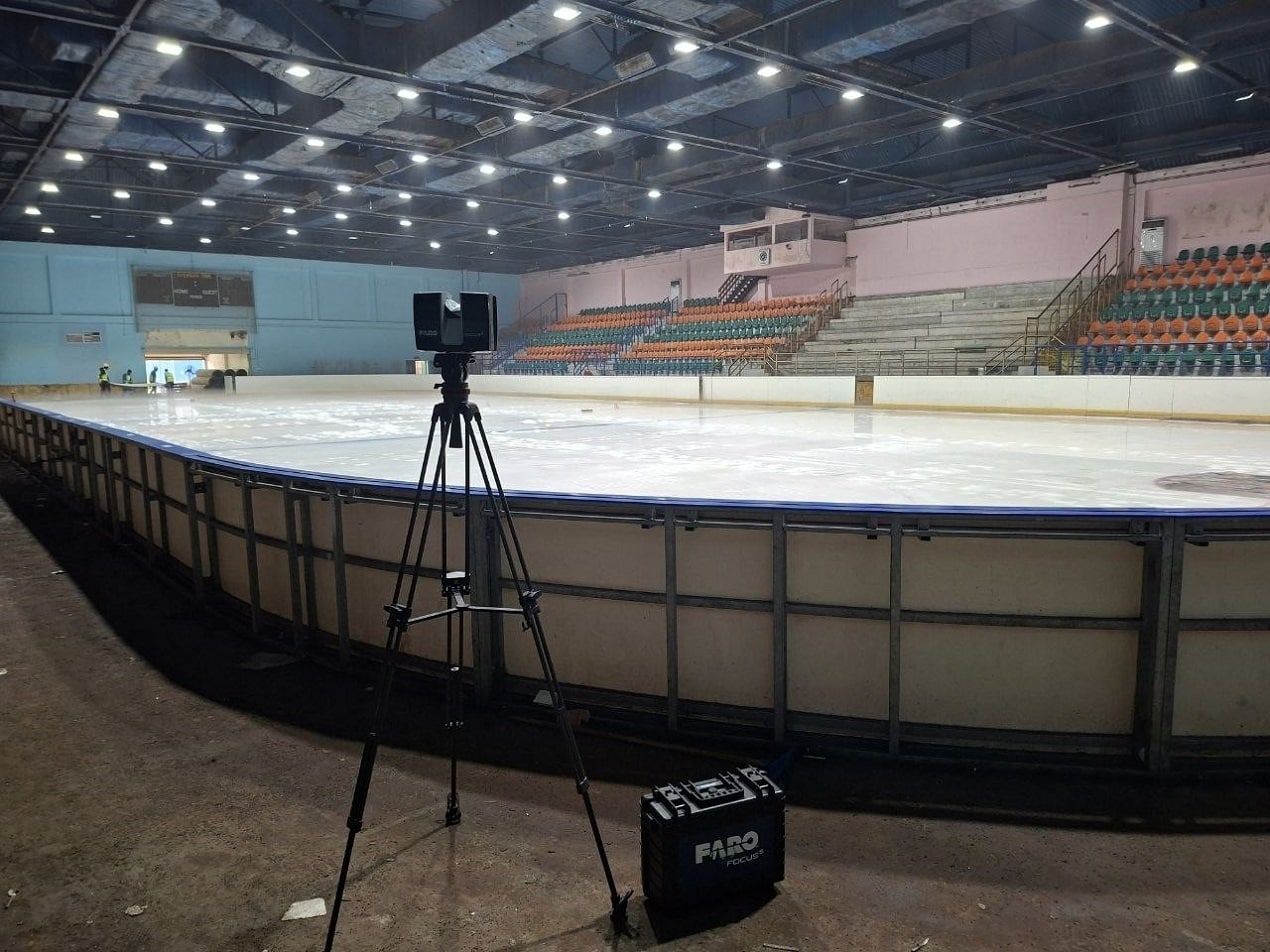
Most renovation projects start the same way, a homeowner looks at the existing walls, pulls out the original floor plans, and assumes the structure matches the drawings. It rarely does.
Older homes carry decades of undocumented changes. A previous owner moved a wall. A contractor rerouted plumbing during a repair. A ceiling was lowered to hide ductwork, and no one updated the plans. By the time renovation begins, the building on paper and the building in front of you are two different things, and the gap between them is where budgets break.
That’s why digital building documentation, particularly 3D laser scanning, is moving from large commercial projects into residential renovation planning.
Why Old Drawings Are Often Not Enough
Many renovation projects start with existing floor plans. The problem is that these drawings are often incomplete, outdated, or based on assumptions. Over the years, buildings change. Previous owners may have altered layouts, contractors may have adjusted systems during repairs, and some modifications may never have been documented.
Common problems include:
- walls that do not match the original plan;
- ceiling spaces filled with unexpected systems;
- uneven floors or shifted structural elements;
- inaccurate room dimensions;
- hidden conflicts between new design ideas and existing conditions.
For homeowners, this can mean delays and additional costs. For contractors, it can mean rework, material waste, and schedule changes.
How 3D Laser Scanning Helps Before Renovation
Laser scanning captures the real geometry of a building with high precision. A scanner records millions of measurement points and creates a detailed digital representation of the space. This data can then be used to prepare accurate drawings, 3D models, or BIM documentation.
For renovation projects involving older or modified buildings, professional 3D laser scanning services in the USA help create reliable existing-condition documentation before design or construction begins.
This allows project teams to see the building as it truly exists, not as it was drawn years ago.
From Real Building to Digital Model
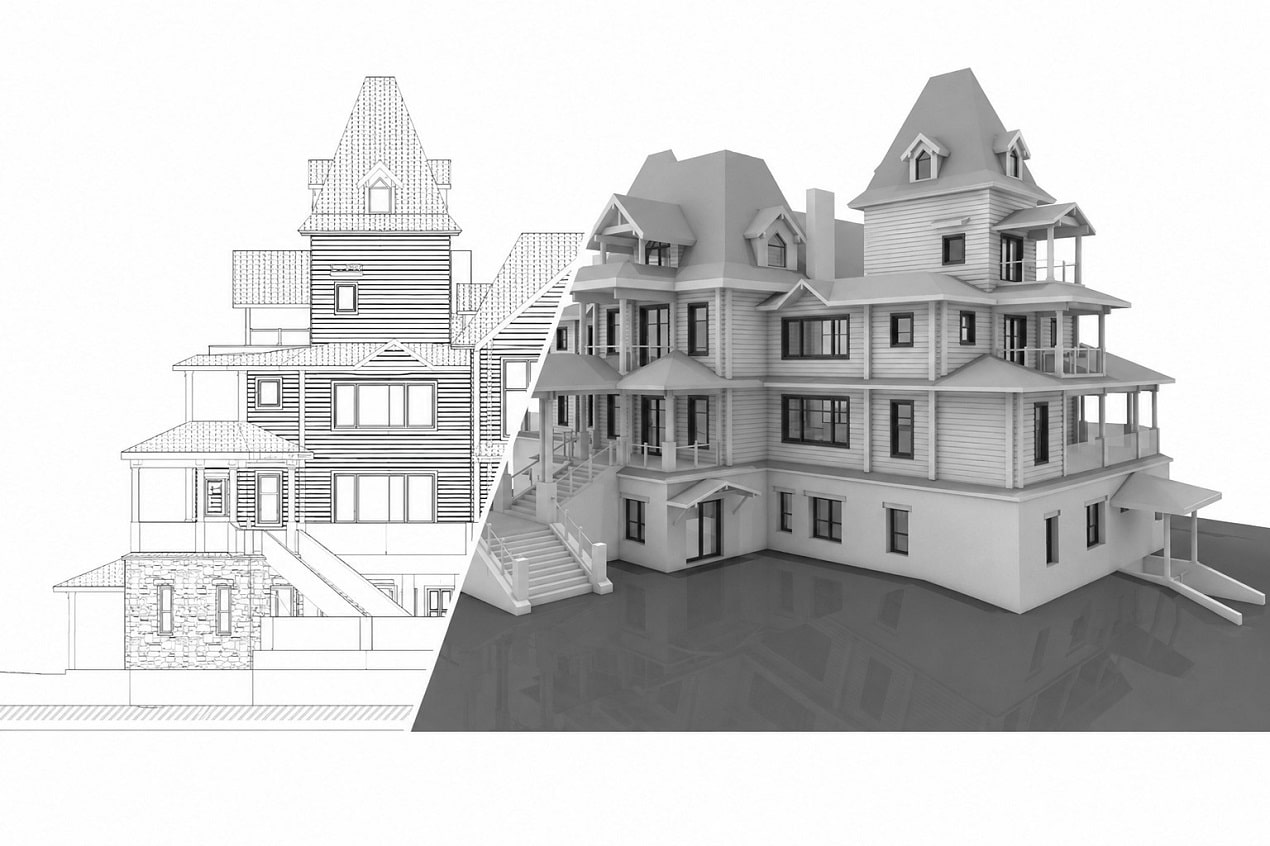 After scanning, the collected data is processed into a point cloud. This point cloud can be converted into a structured 3D model or BIM model that architects, designers, engineers, and contractors can use during planning.
A digital model can help with:
- checking real dimensions;
- planning new layouts;
- coordinating plumbing, HVAC, and electrical systems;
- preparing accurate renovation drawings;
- reducing conflicts before work starts.
This is especially useful when a renovation involves custom interiors, structural changes, or new technical systems.
Why This Matters for Homeowners and Contractors
Accurate building data helps everyone involved in a renovation make better decisions. Homeowners get a clearer understanding of what is possible. Designers can create plans that fit real conditions. Contractors can estimate materials and labor more accurately.
The biggest benefit is reducing surprises.
When the existing building is properly documented, there is less risk of opening a wall or ceiling and discovering something that changes the entire plan. This improves budgeting, scheduling, and communication between all project participants.
ScanM2’s Role in Modern Renovation Workflows
ScanM2 focuses on turning real-world building conditions into usable digital documentation. The company works with 3D laser scanning, point cloud processing, as-built drawings, and BIM modeling for existing buildings.
This full-cycle approach is valuable because renovation projects usually need more than raw scan data. They need practical deliverables that can support design, permitting, coordination, and construction planning.
For residential, commercial, educational, and industrial renovation projects, accurate documentation can make the difference between a smooth process and a project full of unexpected corrections.
Conclusion
Modern renovation is no longer only about design ideas and construction skills. It also depends on accurate information at the very beginning.
Laser scanning helps bridge the gap between old buildings and new plans. By capturing real conditions before work begins, it allows homeowners, architects, and contractors to reduce risk, avoid unnecessary rework, and make renovation projects more predictable.
For projects where accuracy matters, digital building documentation is quickly becoming a standard part of the renovation process.