

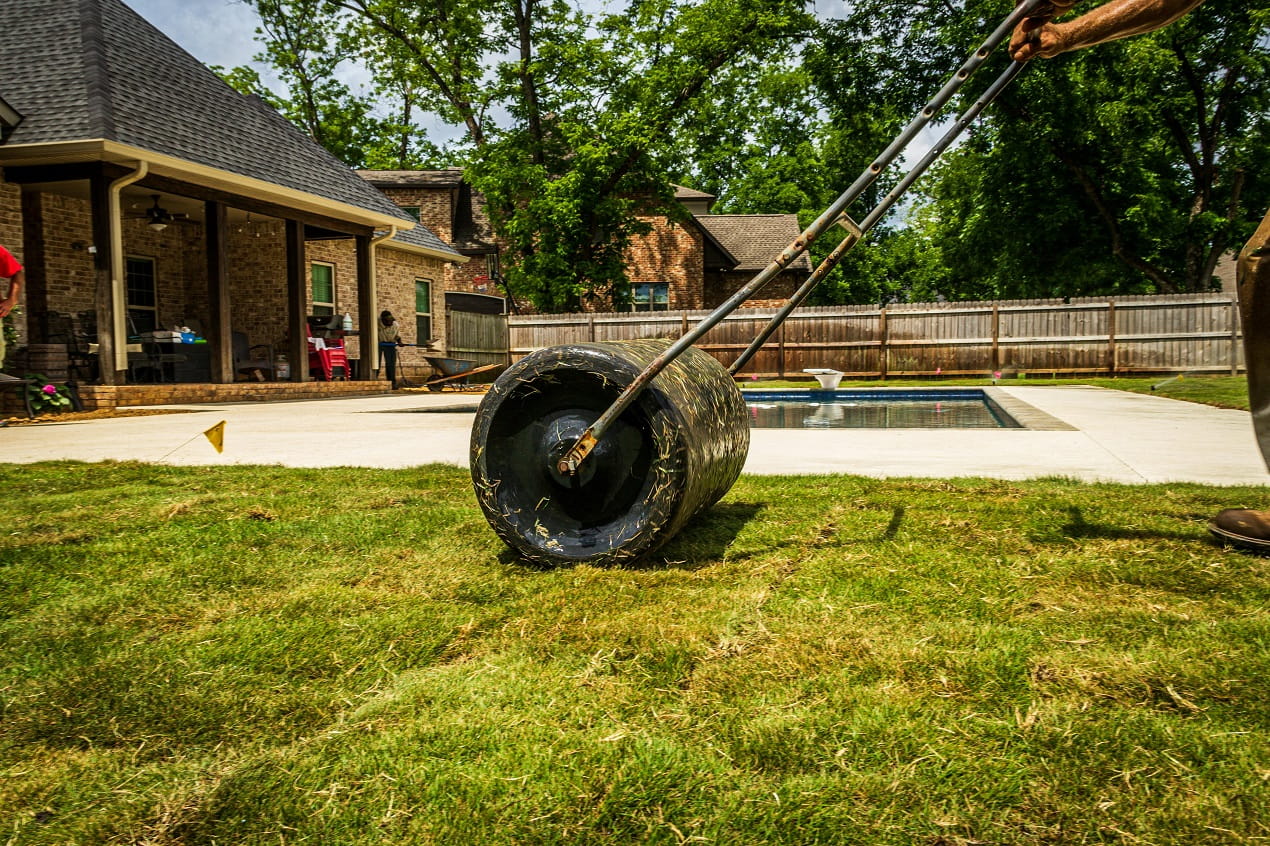
One of the most beautiful features of a great house view is a great green lawn. To achieve a beautiful lawn, you must be both time and nutrition wise, and manual labor wise as well. Between the different seasons, various temperatures, and weather, it can be hard to keep up with yard maintenance for those who have to deal with a lot of stress throughout the year.
Professional lawn maintenance services can help keep your lawn healthy all year round. The best landscaping professionals have specialized knowledge and hands-on experience and can make sure your landscape is a safe haven all year long.
Specialized Regional Knowledge Yields Superior Resilience
Every geographical zone presents unique challenges that require tailored landscaping techniques and precise seasonal timing. Local conditions dictate how grass absorbs nutrients and how soil structures react to deep temperature drops. Specialized anchorage lawn care provides services that are customized according to the unique climate of Anchorage.
The experienced professionals are fully aware of how the unpredictable weather of summer affects cool-season grasses like Kentucky Bluegrass and Creeping Red Fescue. Regional knowledge can be used to develop a strong lawn that can survive tough winters without compromising soil structure.
Proactive Mechanical Core Aeration Reduces Compaction
- Pulling core soil plugs allows oxygen to reach the deep underground root networks directly.
- Breaking up dense clay ground structures improves immediate water absorption during heavy storms.
- Creating open pathways ensures essential seasonal fertilizers penetrate deeply into subarctic soil layers.
- Reducing surface density allows roots to expand outward and establish firmer turf anchors.
- Maximizing airflow helps beneficial microscopic organisms break down accumulating organic material smoothly.
- Prioritizing chemical-free lawn care during aeration protects these beneficial soil organisms, allowing the natural biological cycle to enrich your turf without synthetic interference.
Precision Nutritional Balancing Increases Cellular Hardiness
Applying synthetic treatments without proper soil testing often triggers chemical burns or weak vegetative growth. Grass requires targeted nitrogen levels during summer months to sustain vibrant coloration and active cell repair.
Professional yard care teams adjust chemical applications to match the exact seasonal requirements of your specific dirt. They apply high potassium blends in late autumn to reinforce plant cellular walls against extreme cold. This targeted feeding strategy keeps root systems fed during long dormant cycles without forcing weak surface growth.
Advanced Dethatching Methods Combat Fungal Pathogens
- Removing dense layers of dead organic tissue improves natural lawn drainage capabilities significantly.
- Clearing matted grass allows vital morning sunlight to warm the underlying topsoil directly.
- Stripping away suffocating plant material eliminates hidden breeding environments for destructive lawn pests.
- Elevating surface circulation prevents the formation of destructive pink and gray snow mold.
- Cleaning the soil surface ensures that new grass seed establishes direct contact with loose dirt.
Regular Mowing Schedules Foster Dense Turf Blankets
Consistent clipping intervals dictate whether your yard develops thick weed-resistant coverage or patchy growth. Removing more than one-third of the blade height at a time stresses the plants and slows down root growth.
Well-trained yard experts keep blades at optimal levels to provide cover for fragile root crowns during hot summer weather. They decrease the height of cuts over time on their last visits in late fall to avoid matting under deep snow. This systematic height management ensures individual grass plants remain upright and structurally sound throughout seasonal transitions.
Strategic Winterization Procedures Lower Cold Weather Mortality
Your yard’s capacity to withstand extended dormant periods relies on the last weeks preceding ground freezing. Leaving large mounds of fall waste on your grass stifles the grass and encourages tiny rodents to burrow through the root systems. All organic waste is cleared away, and special late-season root protectants are applied by professional yard crews.
Getting professional anchorage lawn care preparation makes sure that delicate grass crowns are totally safe before the permanent snowfall sets in. This proactive care will reduce the frost heaving risk and will avoid the formation of bare, dead patches along the edges of driveways.
Efficient Spring Recovery Management Accelerates Green Up
- Raking flattened winter matted grass blades gently introduces vital airflow to damp topsoil.
- Repairing gravel plow damage along driveway margins restores uniform turf contours quickly.
- Spreading premium cool-season seed blends fills bare patches before aggressive weeds germinate.
- Adjusting early seasonal irrigation schedules prevents waterlogging while supporting fragile new seedlings.
- Monitoring emerging green fields identifies hidden pest infestations before widespread damage occurs.
Professional Weed Control Shields Soil Nutrient Reserves
The use of targeted pre-emergent barriers prevents aggressive invasive seeds from germinating in the early spring season.
- Deep-rooted weeds do not compete for the essential moisture during dry spells in summer.
- Spot treatment saves susceptible root areas from root crowding and suffocation caused by broadleaf pests.
- A weed-free lawn means that high quality seasonal fertilisers are only going into the desired turf.
The removal of invasive species removes alternative host plants for insects and pests that can destroy the backyard.
Strategic Overseas Seeding Repairs Bare Turf Patches
Use of new and good-quality grass seed in thinning can guarantee future density and green cover. As a turf crop grows through its life, it naturally loses its reproductive capability and becomes more susceptible to environmental pressures and environmental conditions, and it needs genetic reinforcement if it is to withstand environmental pressures.
Seed broad-spreading is a resilient cool-season seeding that takes place during ideal times in the fall before freezing temperatures. This will thicken the organic layer and keep the seeds of crabgrass and dandelion from finding bare ground. An over seeded lawn creates a natural barrier to foot traffic damage and severe seasonal wear and tear.
Healthy Roots Deliver Sustainable Long-Term Performance
Investing in professional outdoor property maintenance protects your long-term landscape investments from costly structural failure. Regular lawn care produces dense green boundaries that naturally suppress intrusive weeds and withstand the effects of harsh weather readily.
With professional anchorage lawn maintenance from https://highmarkservicesak.com/services/lawn-care/, you’ll never have to wonder about year-round yard treatments such as fertilising, aerating, and winterising. Let the environment professional care for your yard, and you will enjoy a beautiful, healthy landscape that will make your home more valuable and more enjoyable to have outdoors for years to come.
Frequently Asked Questions
Why ought property owners refrain from applying high nitrogen fertilizers late in the fall?
Applications of high nitrogen promote delicate, fresh leaf development that cannot withstand freezing temperatures. Early frosts cause this fragile surface vegetation to fall, therefore greatly exposing the plant to winter kill and fungal rot.
How does routine core aeration help to lessen seasonal drainage problems in residential properties?
Aeration generates thousands of deep channels for water penetration by removing physical plugs from compacted soil. This structural upgrade keeps water from pooling on the surface, lessens runoff, and enables moisture to gently reach deep roots.
What steps prevent snow mold from destroying grass during spring thaws?
Mowing your lawn short during the final autumn session and removing all fallen tree leaves eliminates moisture traps. Maximizing surface airflow and sunlight exposure before snow accumulation keeps fungal spores dormant.