

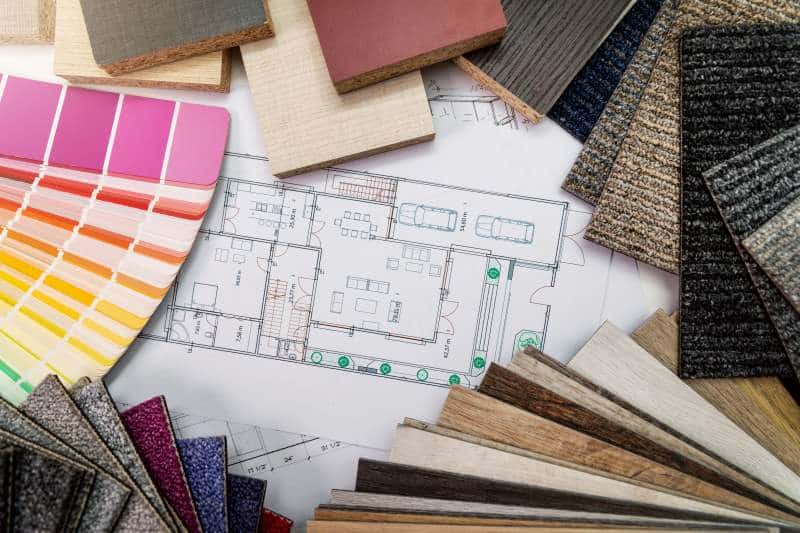
Many homes today are making the switch to sustainability. It’s less about following a fleeting trend and more about contributing to environmental health.
That’s why interior designers and homeowners should also keep up. Several buyers are now seeking homes with eco-friendly interiors for a good reason. Natural materials are both safe for the environment and visually pleasing.
But what materials should you incorporate in home interiors? Here’s a list of the best options for your reference.
Bamboo
Bamboo has been used in construction since ancient times, especially in Asia. It’s a fast-growing plant that’s incredibly durable and flexible. You can harvest bamboo within three to five years, making it a renewable resource without replanting.
This plant, technically a type of grass, is a fantastic alternative to traditional hardwood. Bamboo, ever versatile, is also used on walls, flooring, other surfaces, and furniture. It’s a lightweight yet sturdy material, perfect for home interiors.
Bamboo materials for home and interior construction are also typically easy to find. Just check the building supply Sarasota or your local city suppliers offer. Many reputable providers have various natural materials for your design and construction needs.
Reclaimed Metal
Reclaimed materials, like metal, are getting more popular in home design. It’s a stylish and sustainable option and an alternative to traditional steel.
Building contractors source reclaimed metal like recycled aluminum or steel from old structures, machinery, or vehicles. By doing this, they’re reducing waste and giving homes a unique feel.
You can use reclaimed or recycled metal in various ways, such as accents on walls or custom furniture. Don’t worry about rusting. While it may be secondhand, when well-maintained, it’s long-lasting and durable.
Reclaimed Wood
Like metal, you can also reclaim wood to create eco-friendly interiors. You’ll give new life to old wooden pieces in your home instead of leaving them to rot in landfills. It’s often found in factories, old barns, or even unused wine barrels.
Reclaimed wood offers a natural look in home interior design, much like bamboo. It suits modern interiors as well as rustic ones. Since you may be getting your wood from different sources, textures, colors, and sizes will also vary. This variety gives interiors a unique appearance.
Using reclaimed wood also lessens the demand for new lumber or even FSC-certified wood. Thus, you can do your part to conserve forests and reduce carbon emissions.
Recycled Plastic
Recycled plastic might be one of the first things you might think of when designing eco-friendly interiors. It may sound tacky, but it’s another great material to consider. Utilizing it in your home reduces the need for virgin materials to create new plastic.
You’ll find recycled plastic on furniture, wall panels, and decorative pieces. They make rooms look extra sleek and modern without compromising on sustainability. If you have particular tastes, you can also customize your plastic interior elements by molding or dyeing them. Why not use eco-friendly paints while you’re at it?
Despite being recycled, plastic is durable and resistant to stains and scratches. It’s also easy to clean. So, if you’ve got last-minute guests coming over, just wipe your recycled plastic seats or tables, and they’re good to go.
Recycled Glass
Did you know that you can recycle glass and use them for your home interior? Recycled glass comes from old bottles, jars, or jugs. When reused for home design, glass makes interiors beautiful and sustainable.
Glass can be used in various applications. It may be found on backsplashes, tiles, or countertops in eco-friendly homes. It’s also great for decorative accents.
Before it reaches your kitchen, that glass goes through a lot. Collected bottles and jars are crushed into small pieces called cullet, then cleaned and sorted by color. Recycling plants use conveyor and elevator systems to move the cullet between each stage, which keeps large volumes flowing efficiently and makes it practical to turn waste glass into tiles and countertops.
Each piece of recycled glass offers a distinct look. Its ability to reflect sunlight can also add more light and colors indoors. No matter the design of your interiors, glass can fit right in.
Cork
Cork has natural properties that make it ideal for eco-friendly interiors. It’s sourced from cork oak tree barks through a harmless process.
Cork can be used on wall coverings, flooring, and most furniture to add warmth and texture. Its honeycomb structure provides soundproofing, insulation, and temperature control.
As an interior design material, cork is durable against fire, moisture, and mold. It’s also hypoallergenic, making it safe around people with allergies.
Natural Stone
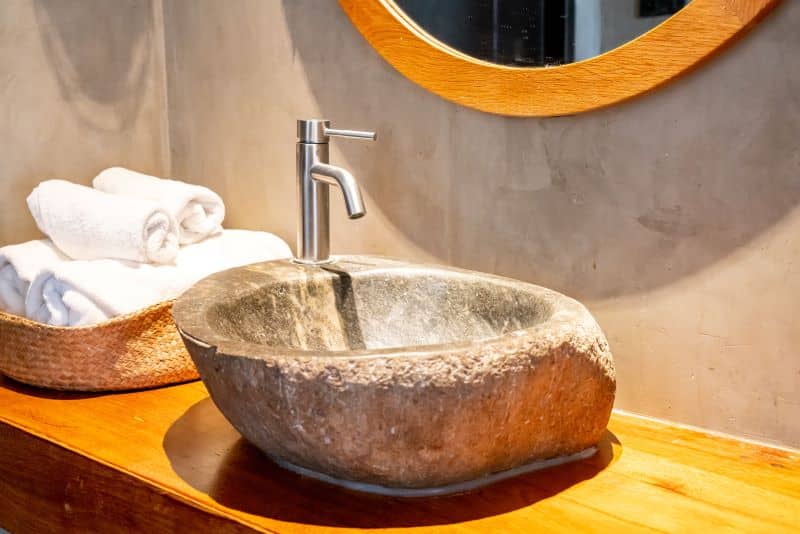
Nothing’s more natural and sustainable than stones you can find almost anywhere. These eco-friendly materials have also been used in home construction and interior design for many years.
Some natural stones, like granite, marble, and limestone, also last for generations. You’re unlikely to replace them in such a short time. And if ever you need new stones, getting them requires minimal processing.
When applied in the home, stone provides a distinct look, such as in sinks and flooring material. Each slab will have different patterns, colors, and veining. No two homes using the same type of stone for the same purpose will ever look identical.
Recycled Organic Cotton
Sustainable materials are not only comprised of hard resources. They can be soft to the touch, too, like organic cotton. This type of cotton is free of synthetic fertilizers and harmful pesticides. When it’s recycled, you protect the planet more by avoiding the large amount of water needed to produce one kilogram of cotton.
Your home’s upholstery, curtains, and rugs can be made of recycled organic cotton. It’s breathable and quite soft, perfect for any piece that comes into contact with skin. Cotton is also a highly resilient fabric that lasts long.
By utilizing organic cotton, you support sustainable farming and water conservation by using recycled cotton.
Conclusion
Using sustainable or natural resources is the first step in creating eco-friendly interiors. Bamboo, reclaimed or recyclable materials, and natural fabrics are fantastic elements for interior home design.
So, look at your home and identify what you can upgrade using sustainable materials. This change might make you see your abode in a different light, but in a good way that says you care for the planet you live in.