

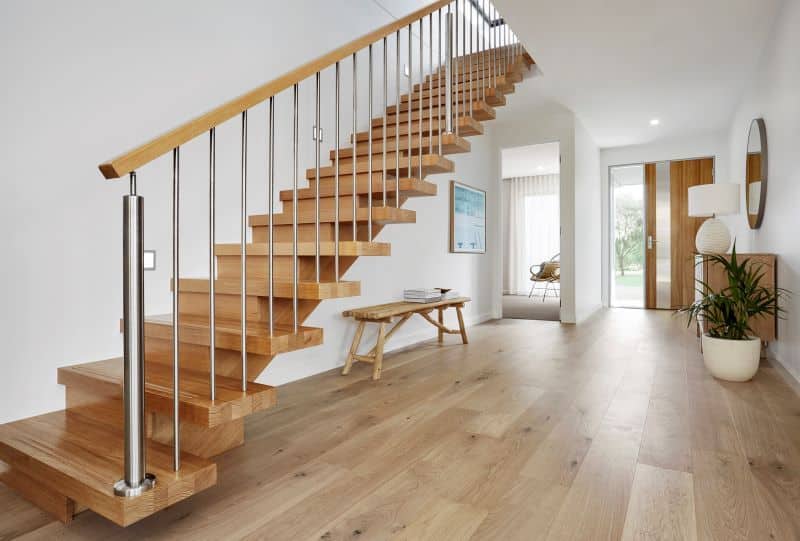
For homeowners and professionals alike, staircases serve as both a structural necessity and a statement piece in any home. Whether you’re undertaking a DIY home renovation or managing a large-scale development project, choosing the right stair tread material plays a crucial role in achieving both visual appeal and long-term performance. Among the many wood species available, Red Oak Stair Treads continue to stand out for their timeless look, durability, and adaptability across a variety of home styles.
Let’s explore why red oak remains a trusted material and how it compares to other options, along with key considerations before installation.
What Makes Red Oak a Preferred Wood for Stair Treads?
Red oak, known for its warm undertones and consistent grain, offers a balance of strength and workability. It’s a domestic hardwood that’s readily available across North America, making it not only a reliable but also a cost-effective option.
Here’s why red oak stair treads are consistently favored:
- Durability: With a Janka hardness rating of 1,290, red oak is strong enough to withstand high foot traffic, making it ideal for both residential and commercial spaces.
- Uniform Grain Pattern: Red oak has a coarse texture and straight grain that takes stain evenly, offering excellent consistency across multiple treads.
- Stain Versatility: Its neutral undertones allow for a wide range of finishes, from natural to dark espresso, blending effortlessly into traditional or contemporary interiors.
- Availability & Affordability: Compared to exotic woods, red oak is more budget-friendly and accessible, which is particularly useful for multi-unit housing developments or large custom homes.
Comparing Red Oak to Other Hardwood Options
If you’re weighing your options, it’s important to understand how red oak holds up next to other popular stair tread materials:
| Wood Type | Durability (Janka Score) | Appearance | Price Point | Staining Capability |
| Red Oak | 1,290 | Reddish tone, straight grain | Moderate | Excellent |
| White Oak | 1,360 | Cooler tone, more moisture resistant | Higher | Very Good |
| Maple | 1,450 | Fine grain, pale cream color | Higher | Moderate (blotchy) |
| Hickory | 1,820 | Varied grain, rustic appeal | High | Good |
| Pine | ~600 | Softwood, knots common | Low | Poor |
Red oak offers the best mix of durability, aesthetics, and ease of staining—making it a practical and visually appealing choice.
When to Use Red Oak Stair Treads
Here are a few scenarios where red oak shines:
- Home Renovation Projects: Homeowners looking to update outdated stairs often turn to red oak to match new flooring or create contrast with wall colors.
- New Construction: Builders appreciate red oak for its reliable supply chain and consistent quality across bulk orders.
- Custom Staircase Designs: Because red oak is easy to cut, shape, and sand, it’s a favorite among millworkers for unique stair configurations and curved designs.
Key Installation Considerations
Before jumping into a red oak stair tread installation, keep these factors in mind:
1. Tread Type
Are you installing retro-fit treads over existing stairs or building a staircase from scratch? Retrofit treads are designed to fit over the old structure, while full replacement treads require new stringers.
2. Finish Choices
Oil-based polyurethanes bring out the depth in red oak’s natural grain, while water-based finishes keep the color lighter and more neutral. Some homeowners opt for custom staining to coordinate with flooring.
3. Moisture Control
Even though red oak is moderately stable, ensure your installation area is properly acclimated and humidity-controlled. This prevents warping and gaps over time.
4. Edge Profiles
From square-edge to bullnose and waterfall styles, red oak treads are available in various edge profiles to suit different design aesthetics.
Long-Term Maintenance and Care
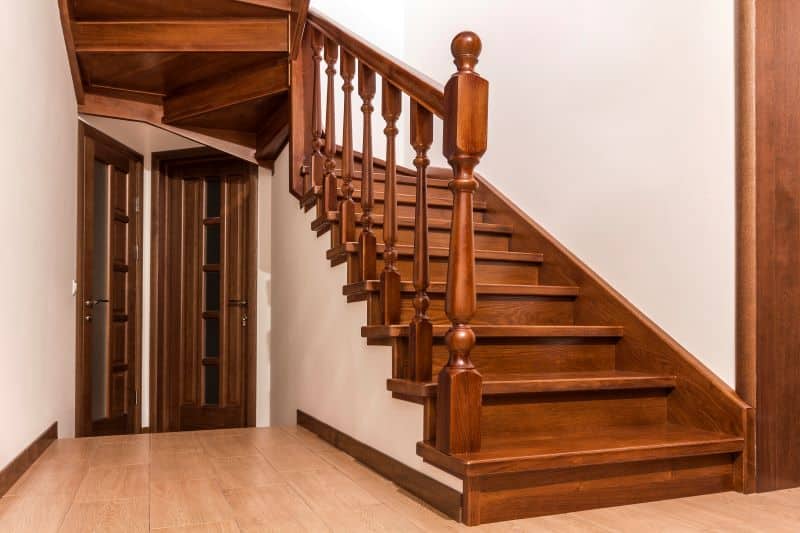
One of the benefits of red oak is how easy it is to maintain. Regular sweeping and occasional polishing will keep it looking new. If surface scratches occur, red oak responds well to sanding and refinishing, giving the staircase a renewed life without full replacement.
Why Source from a Trusted Specialist?
While red oak itself is a strong choice, the supplier’s quality control matters just as much. For reliable craftsmanship and a wide variety of tread styles, Stair Treads offers expertly milled red oak stair components that meet the standards of professionals and DIYers alike. With a focus on quality hardwood materials and consistent manufacturing, the company supports everything from small home projects to multi-home developments.
Final Thoughts
If you’re looking for a well-rounded wood option that delivers beauty, strength, and flexibility, red oak stair treads deserve serious consideration. They’ve earned their place in the spotlight for good reason—offering a reliable choice that performs just as well in custom-built homes as in modern renovations. Whether you’re upgrading a single stairway or specifying materials for a full property, red oak offers the balance of performance and aesthetic appeal that makes it a lasting favorite.